

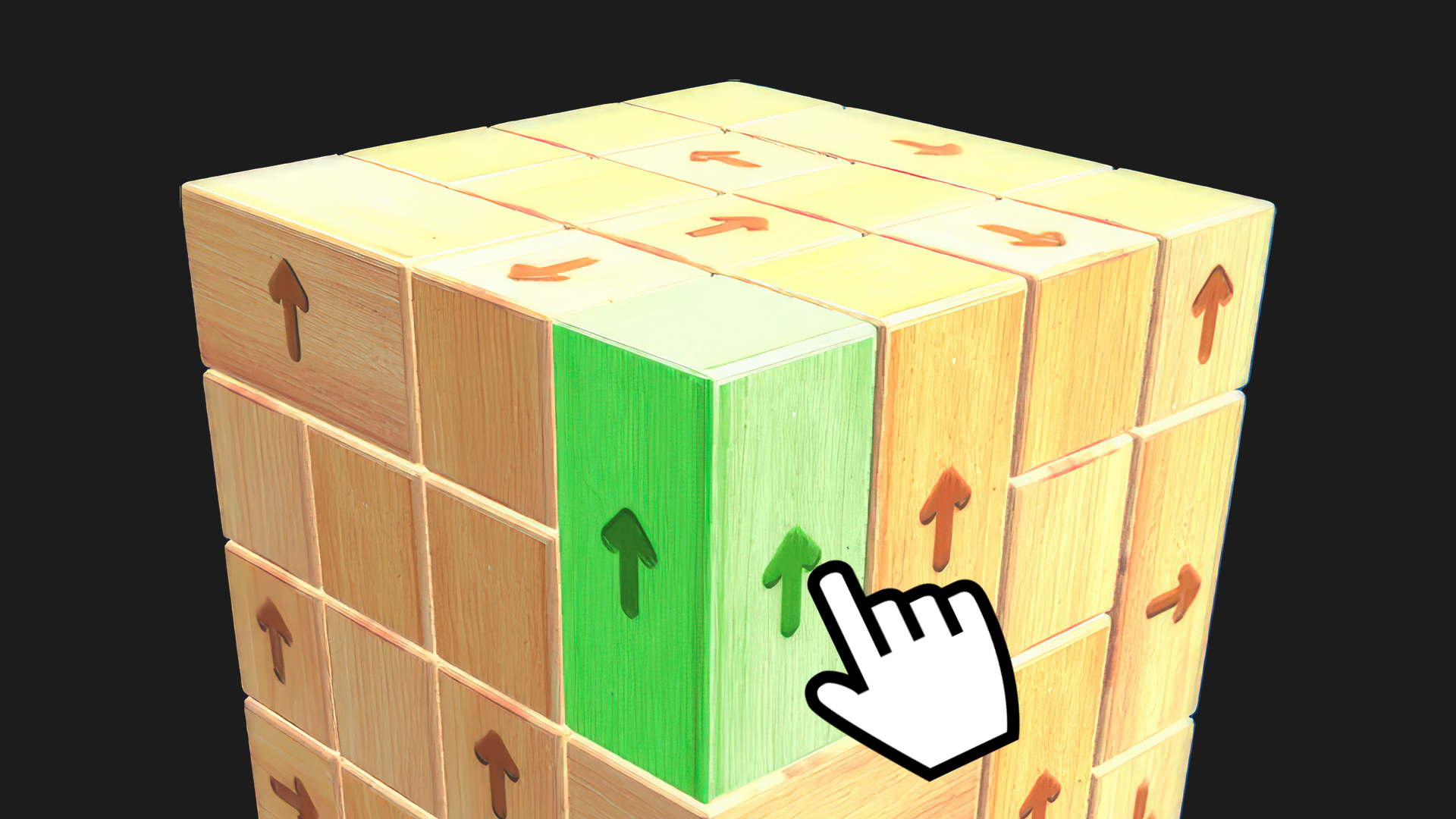
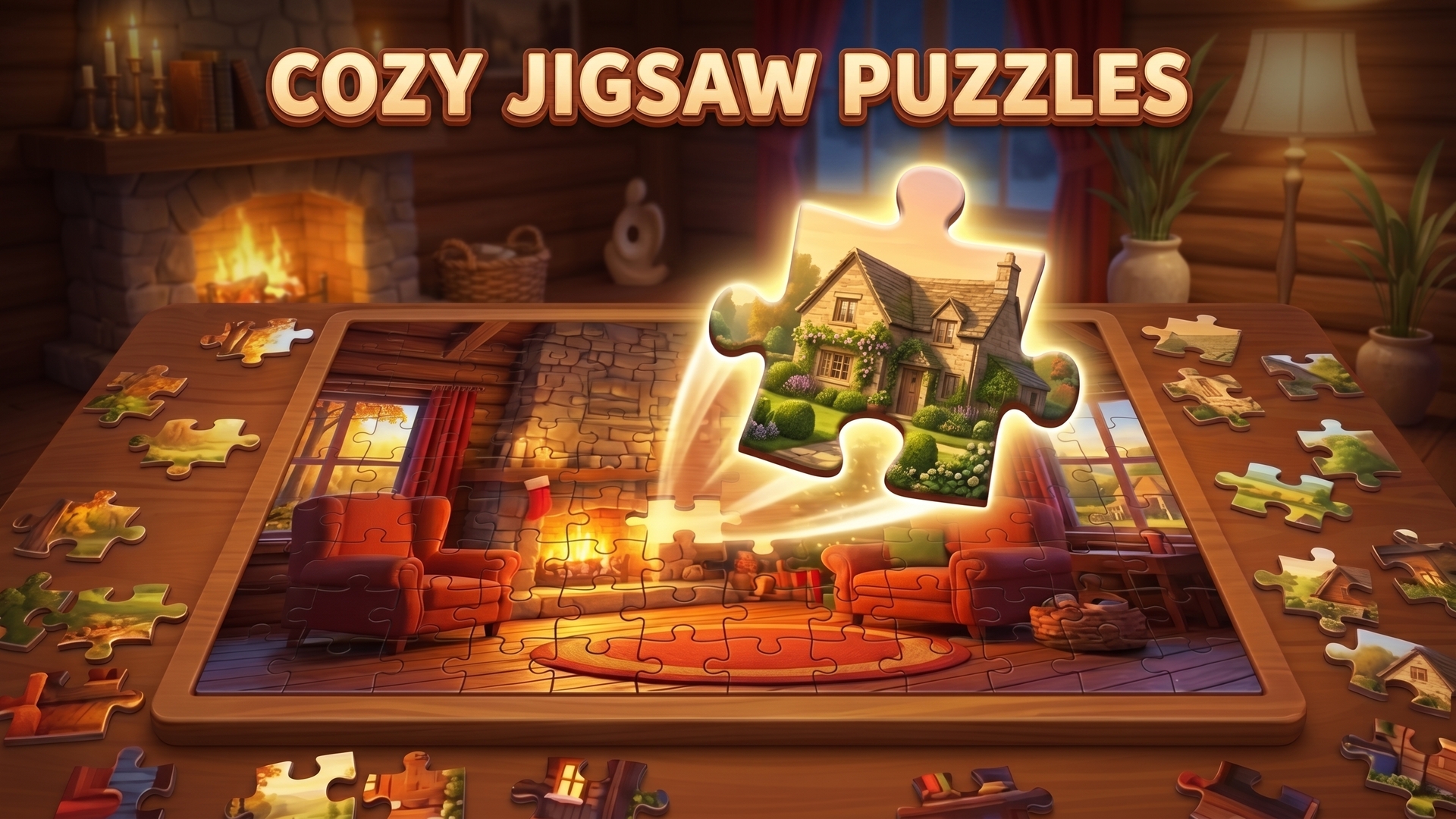
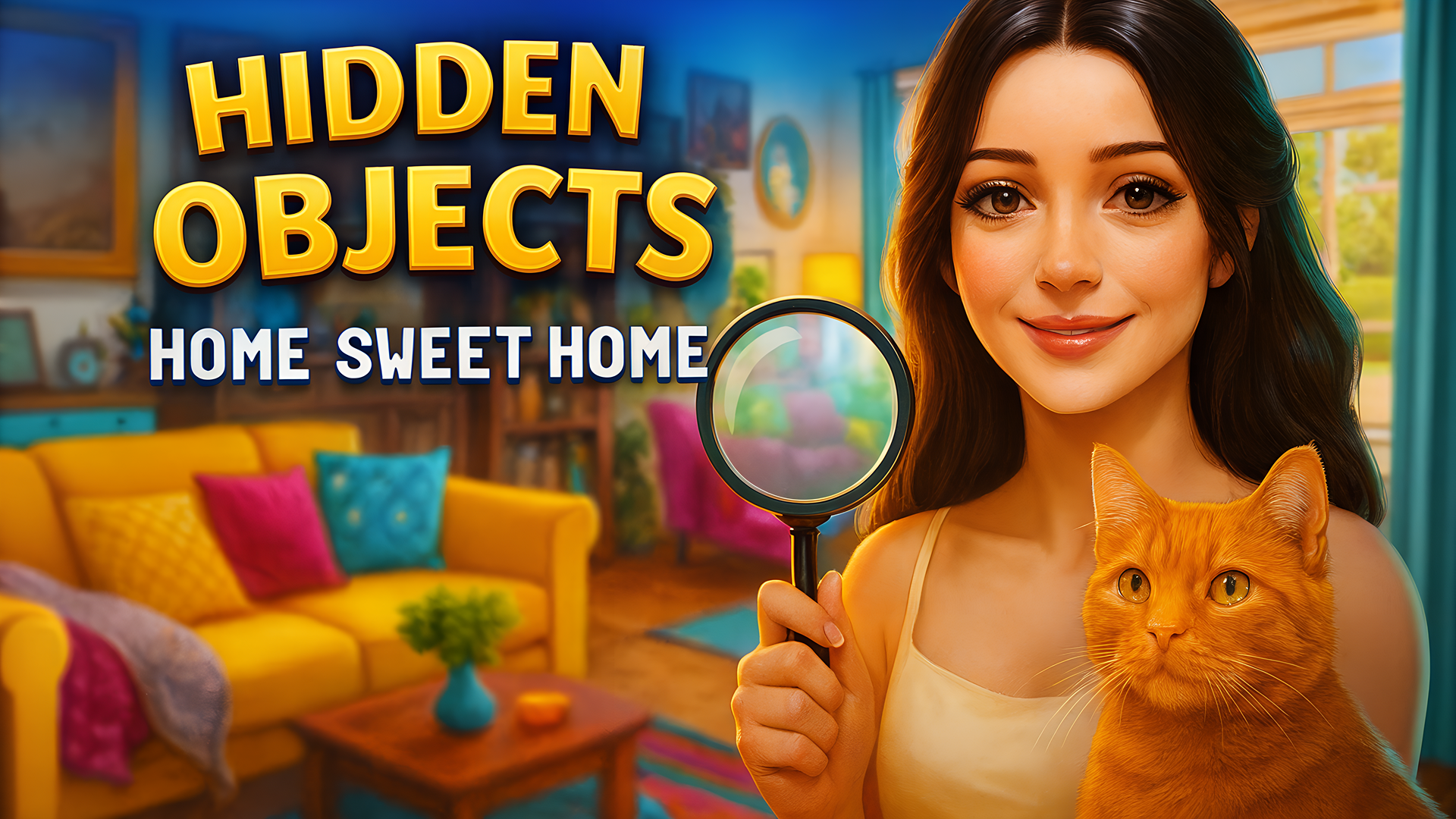
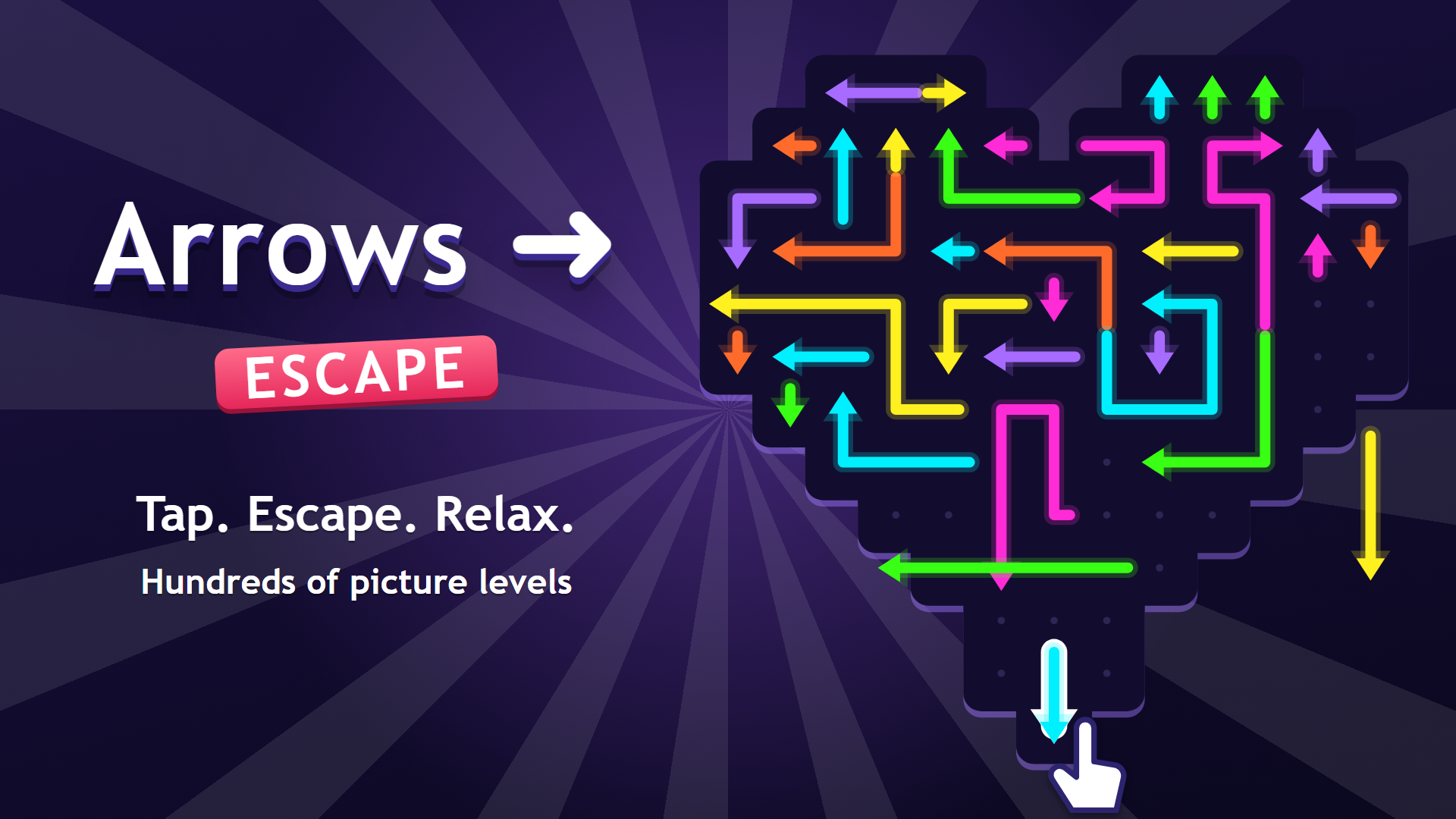
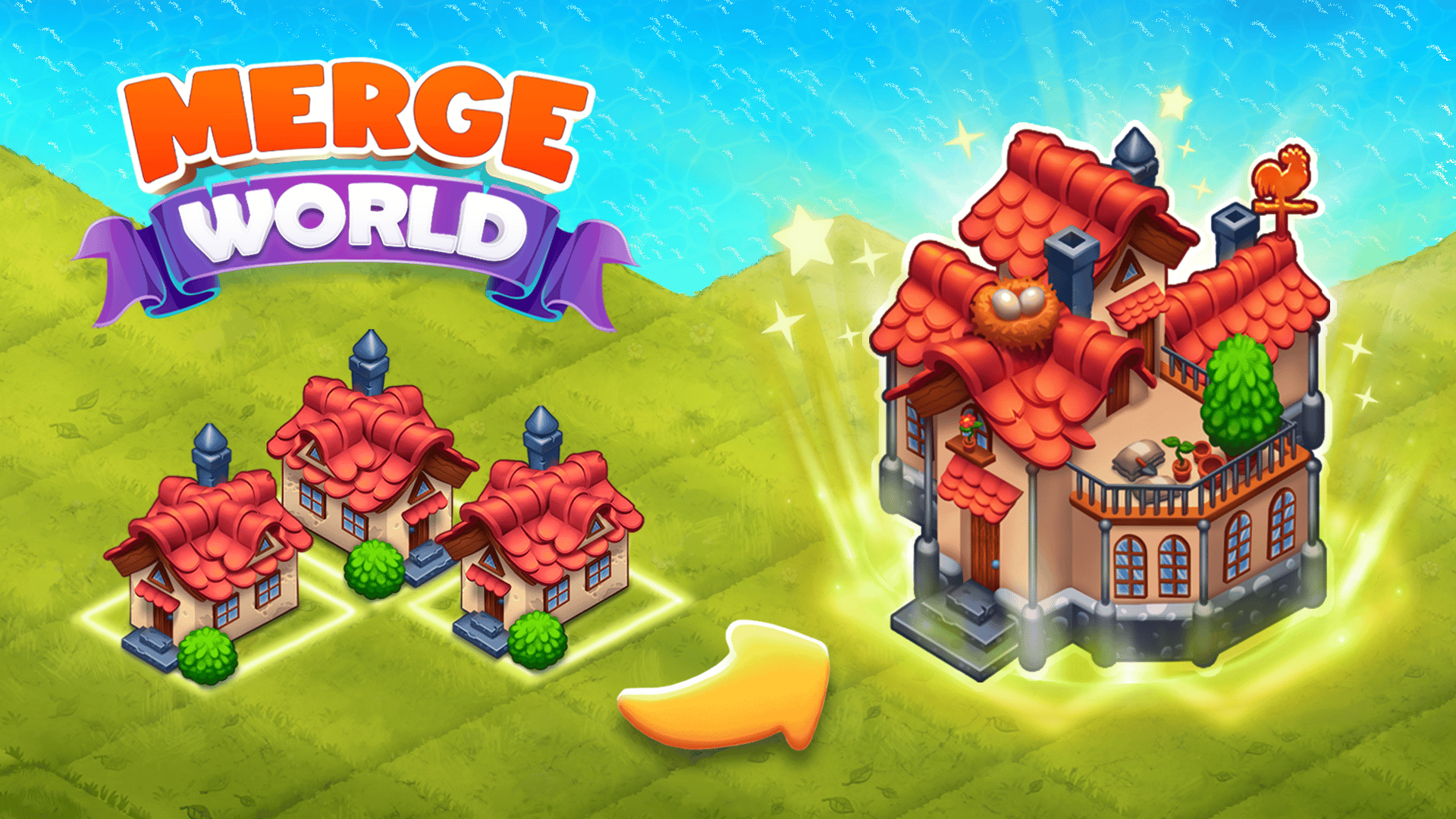

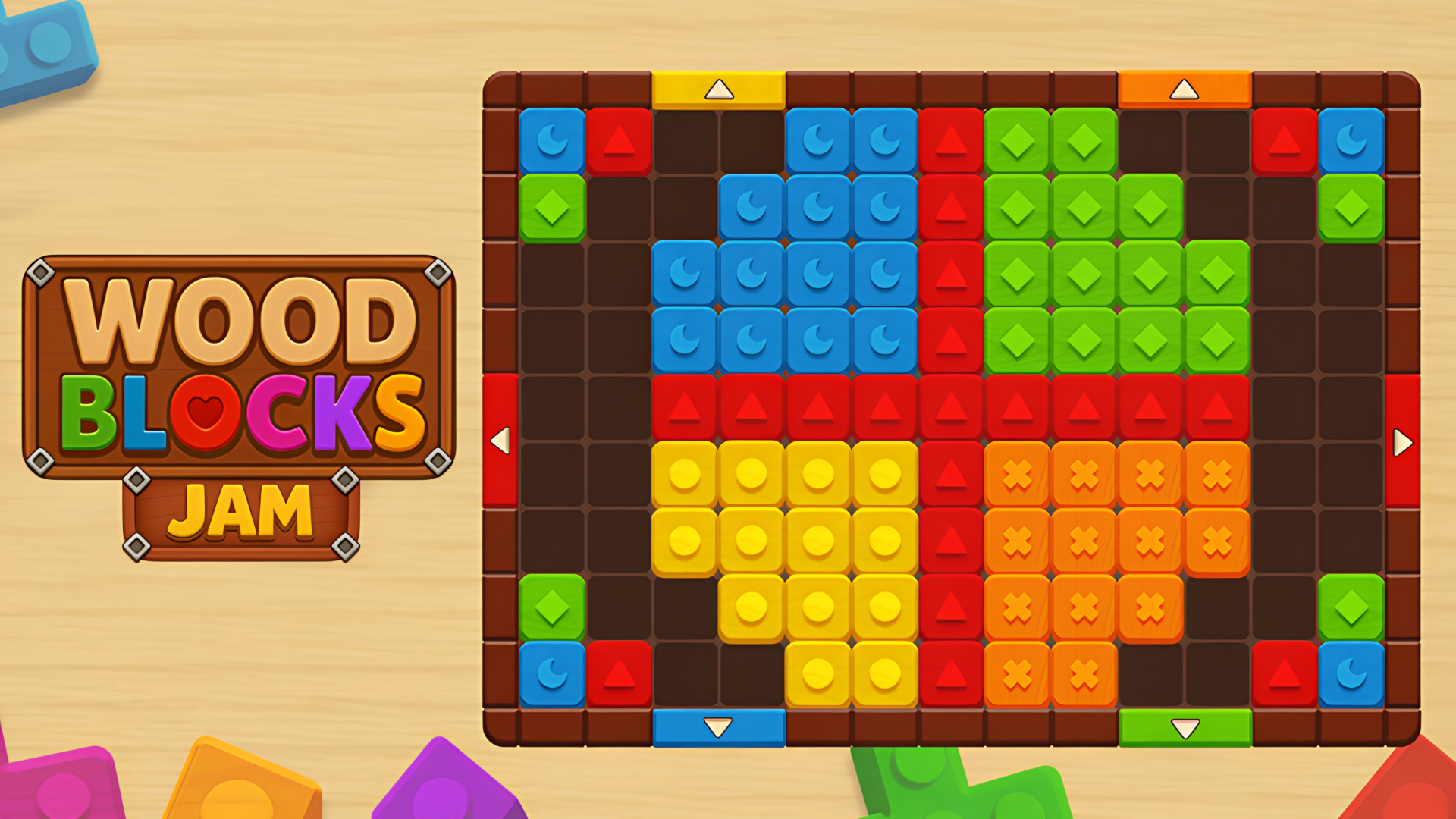

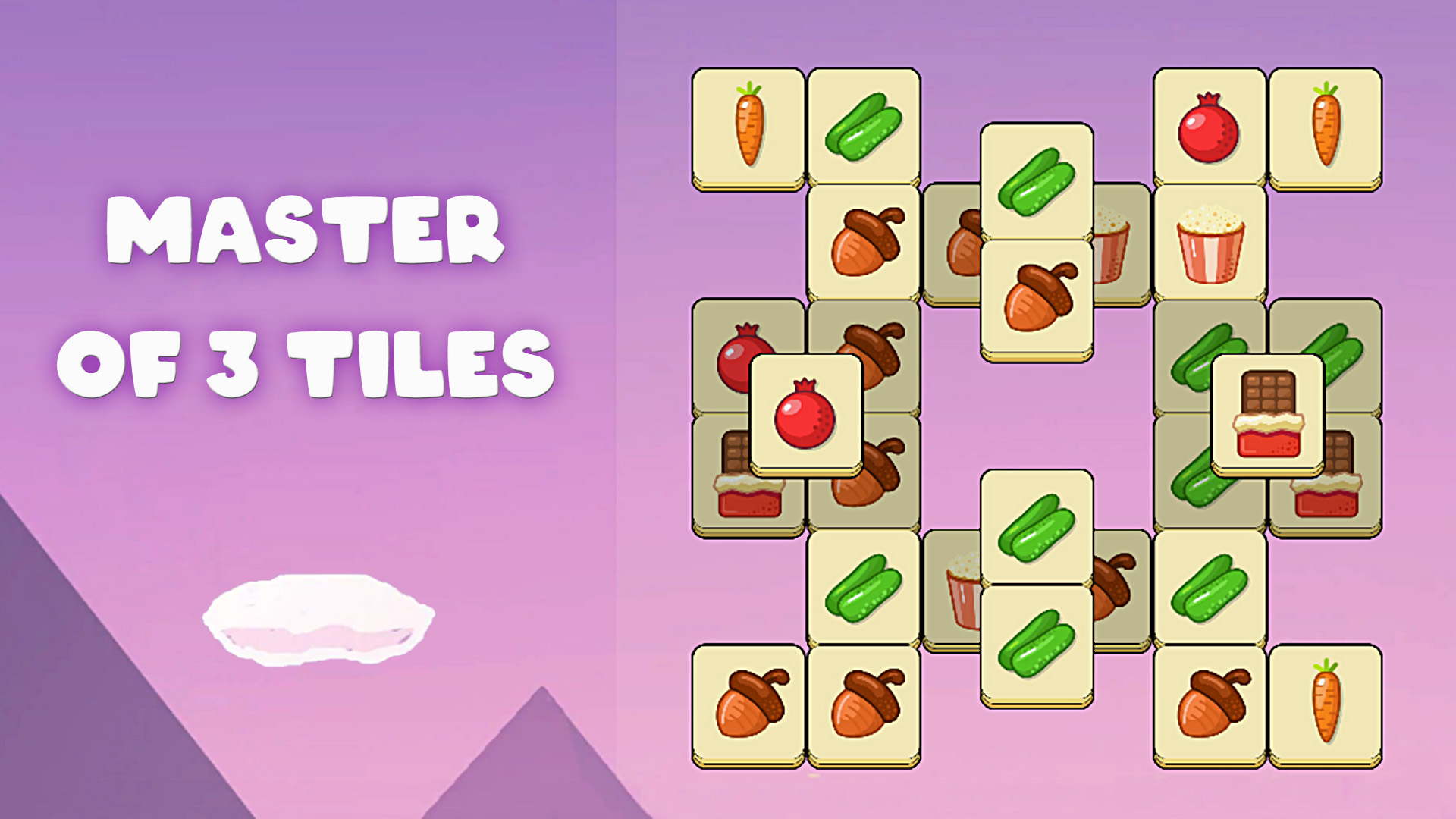
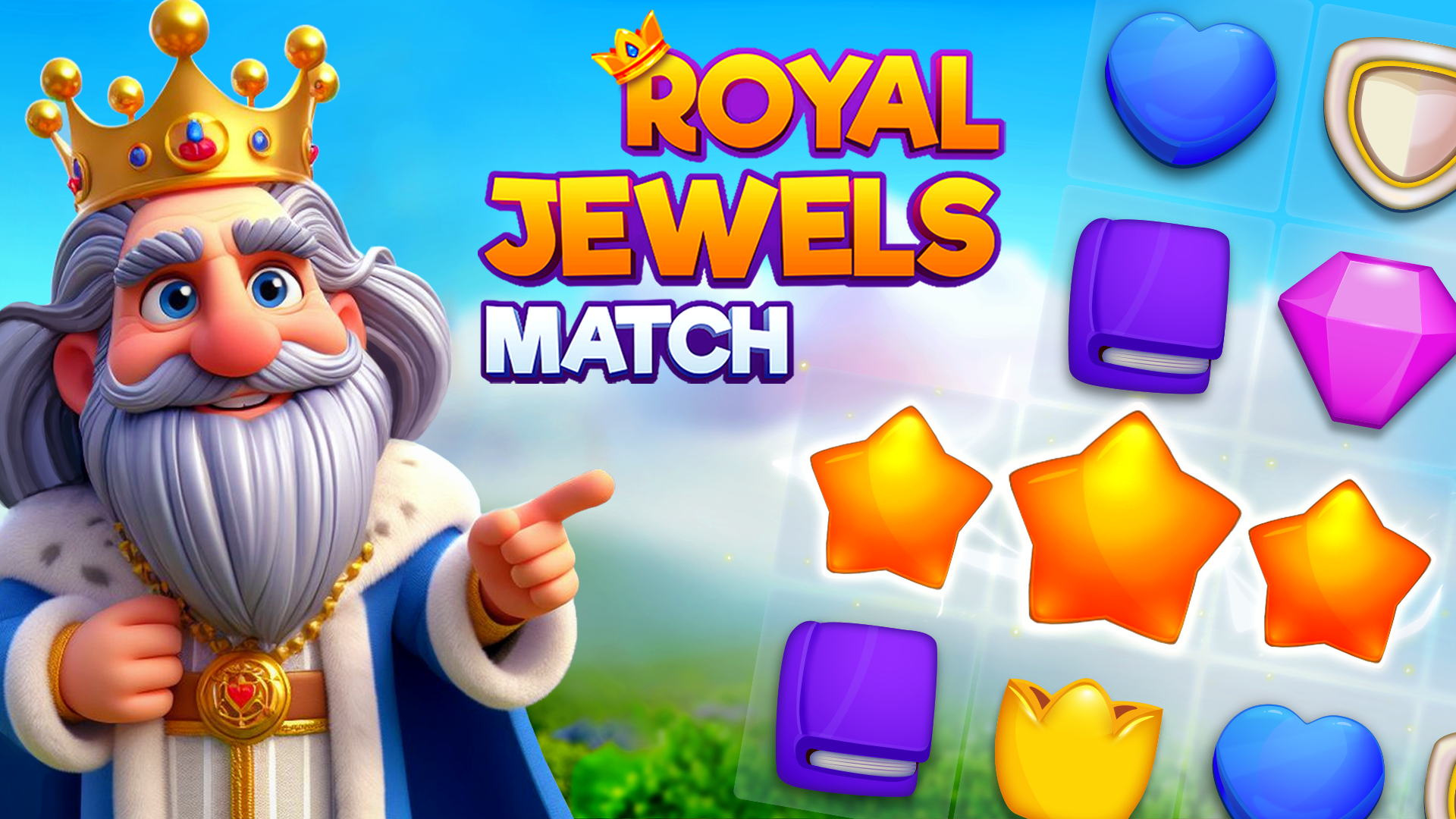
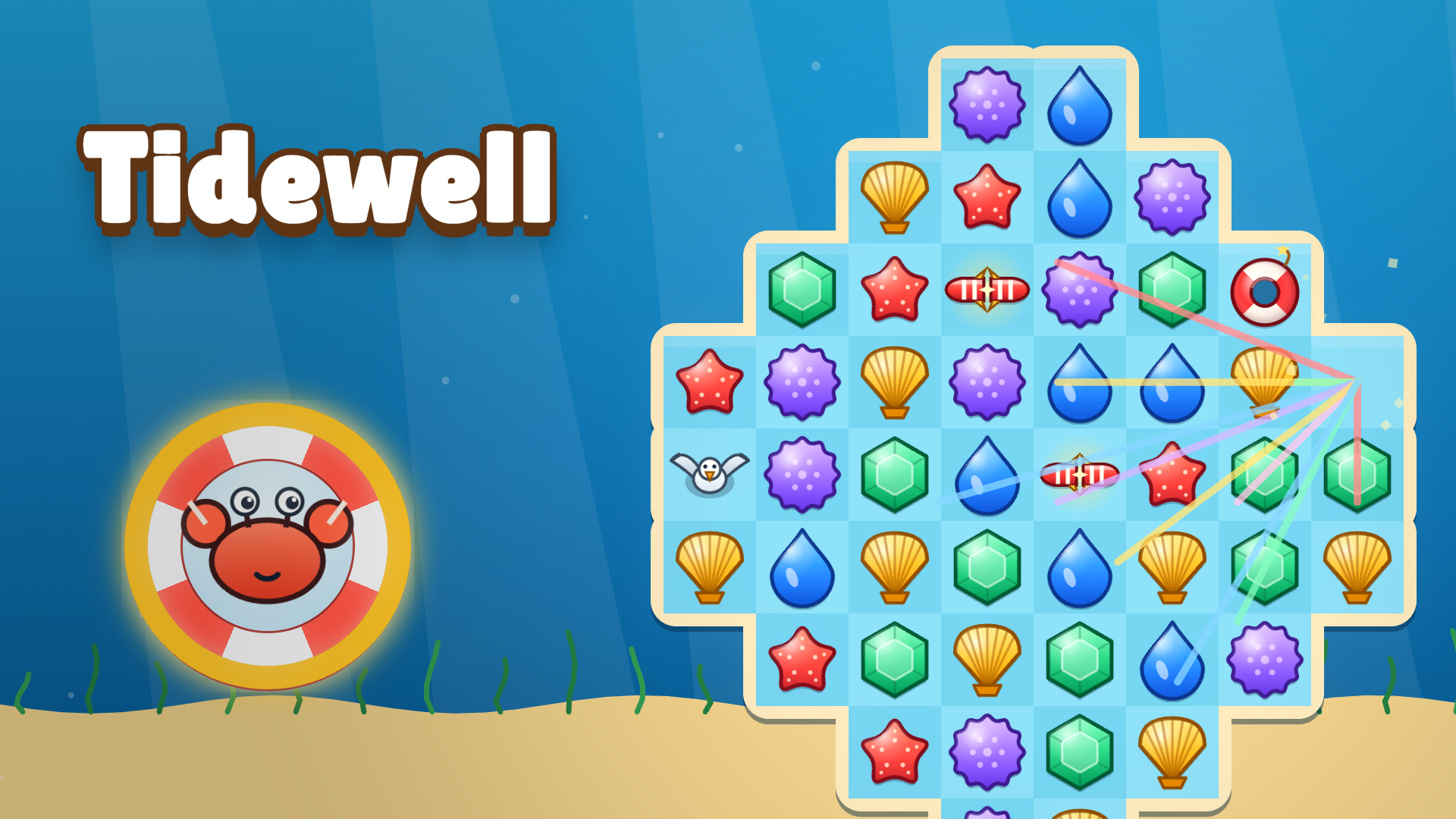
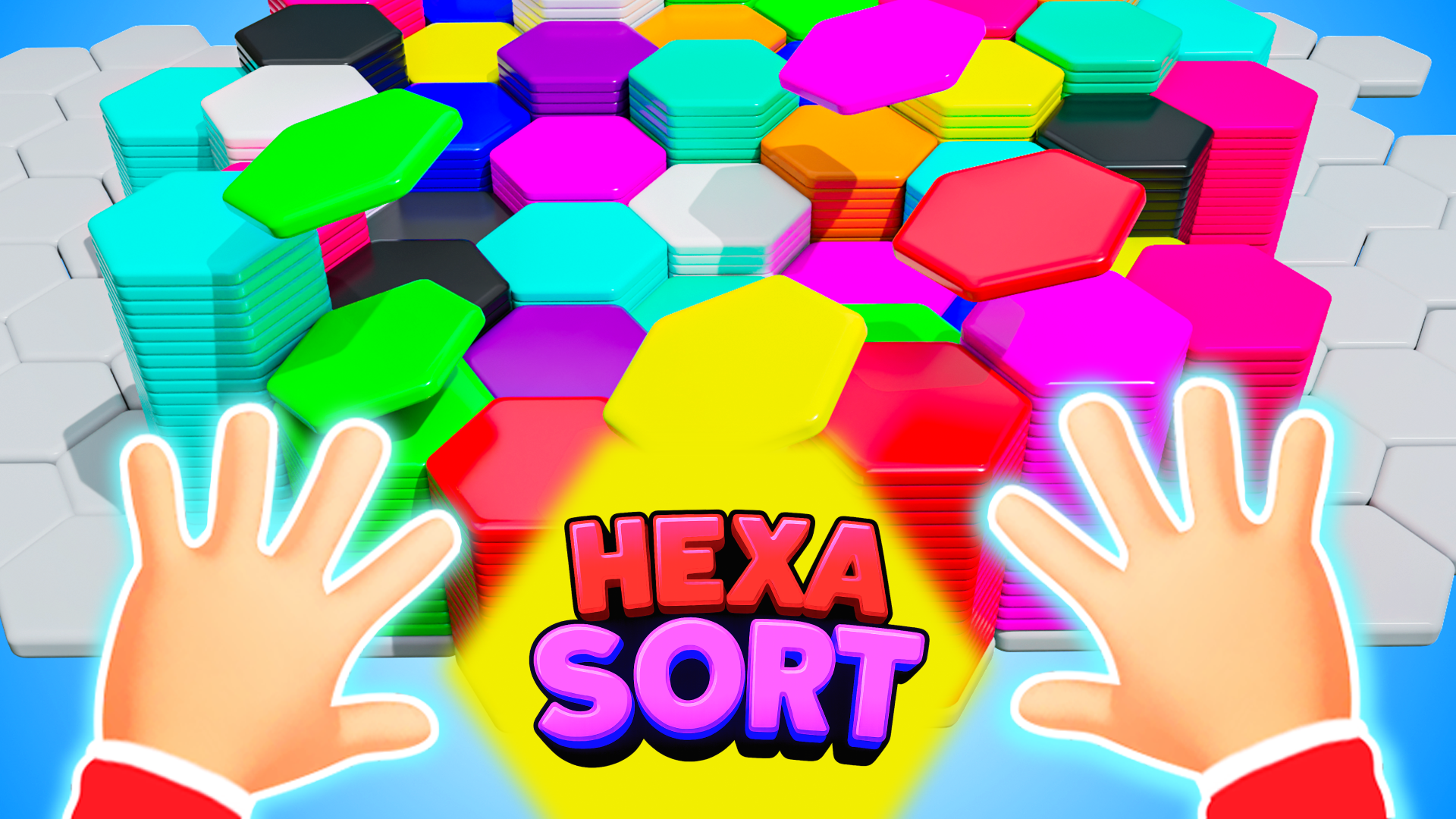
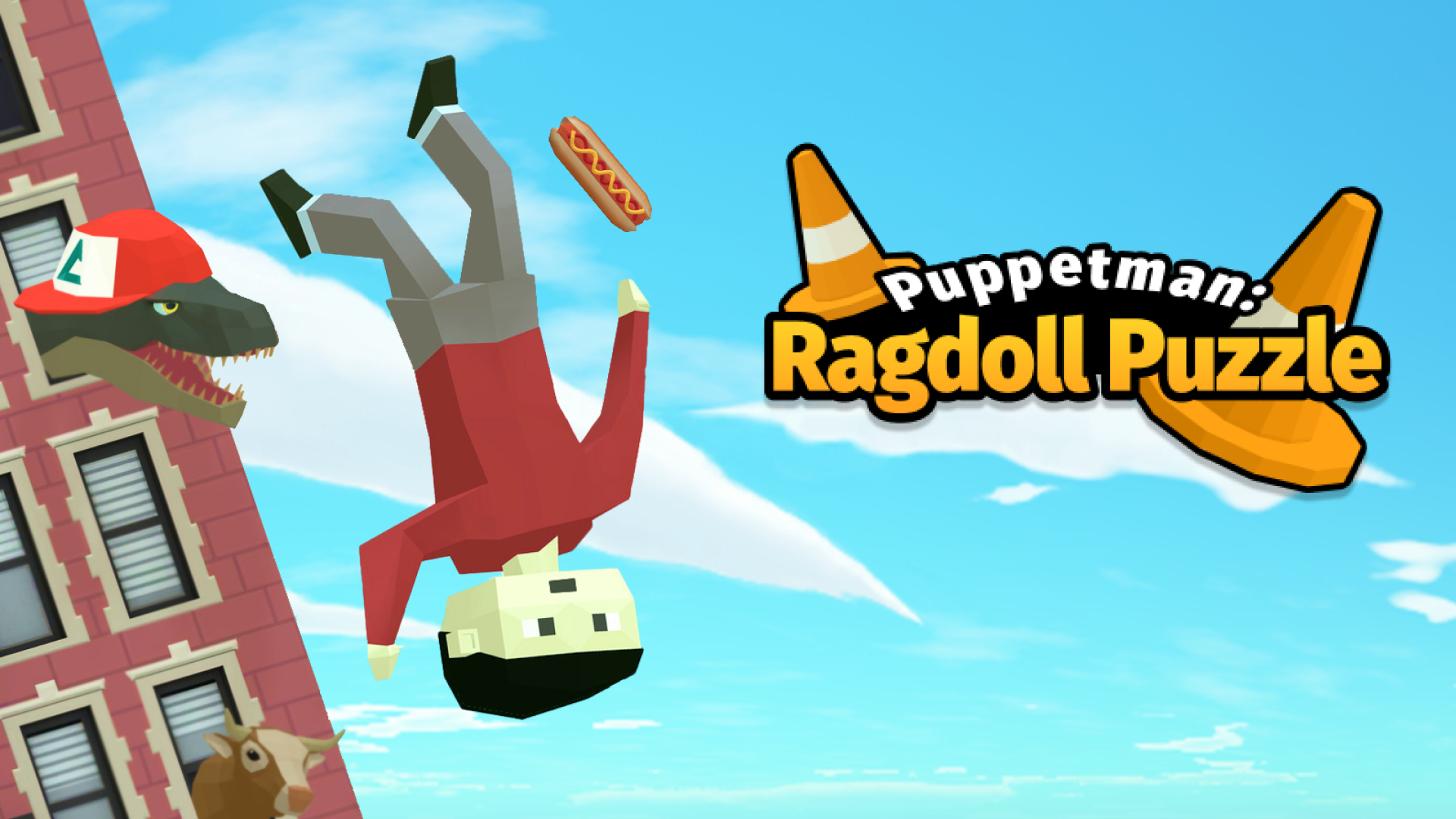
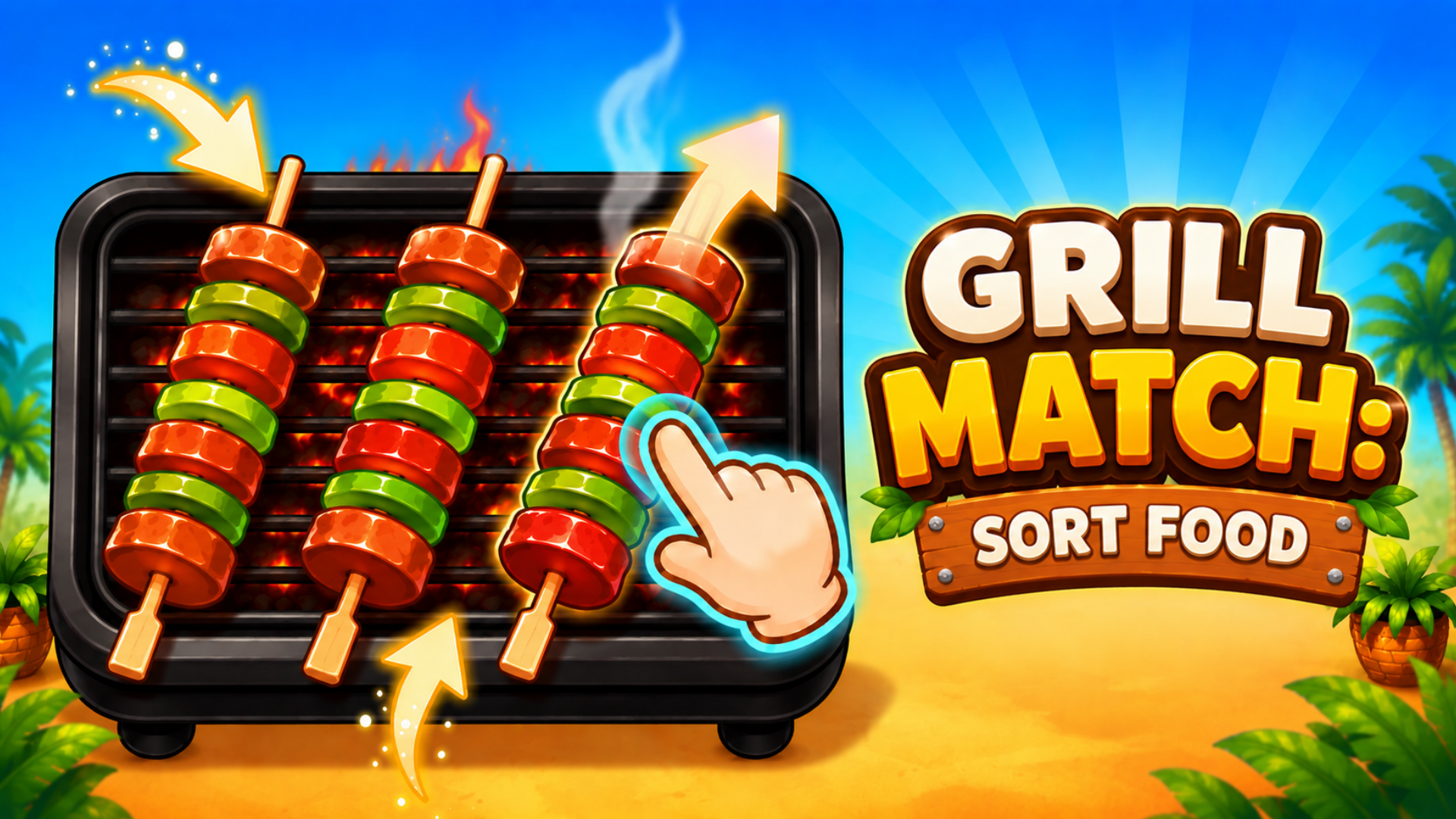

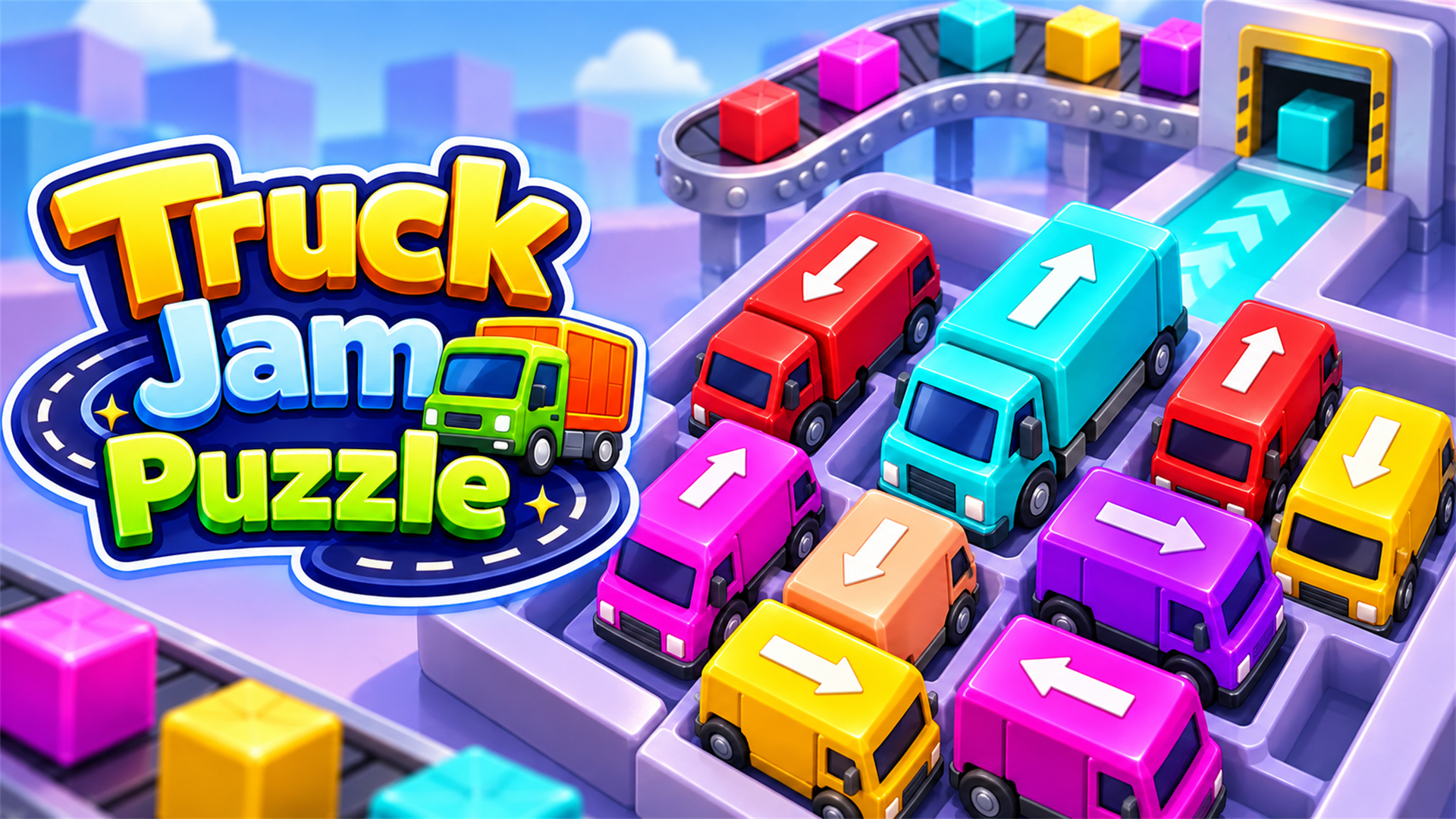
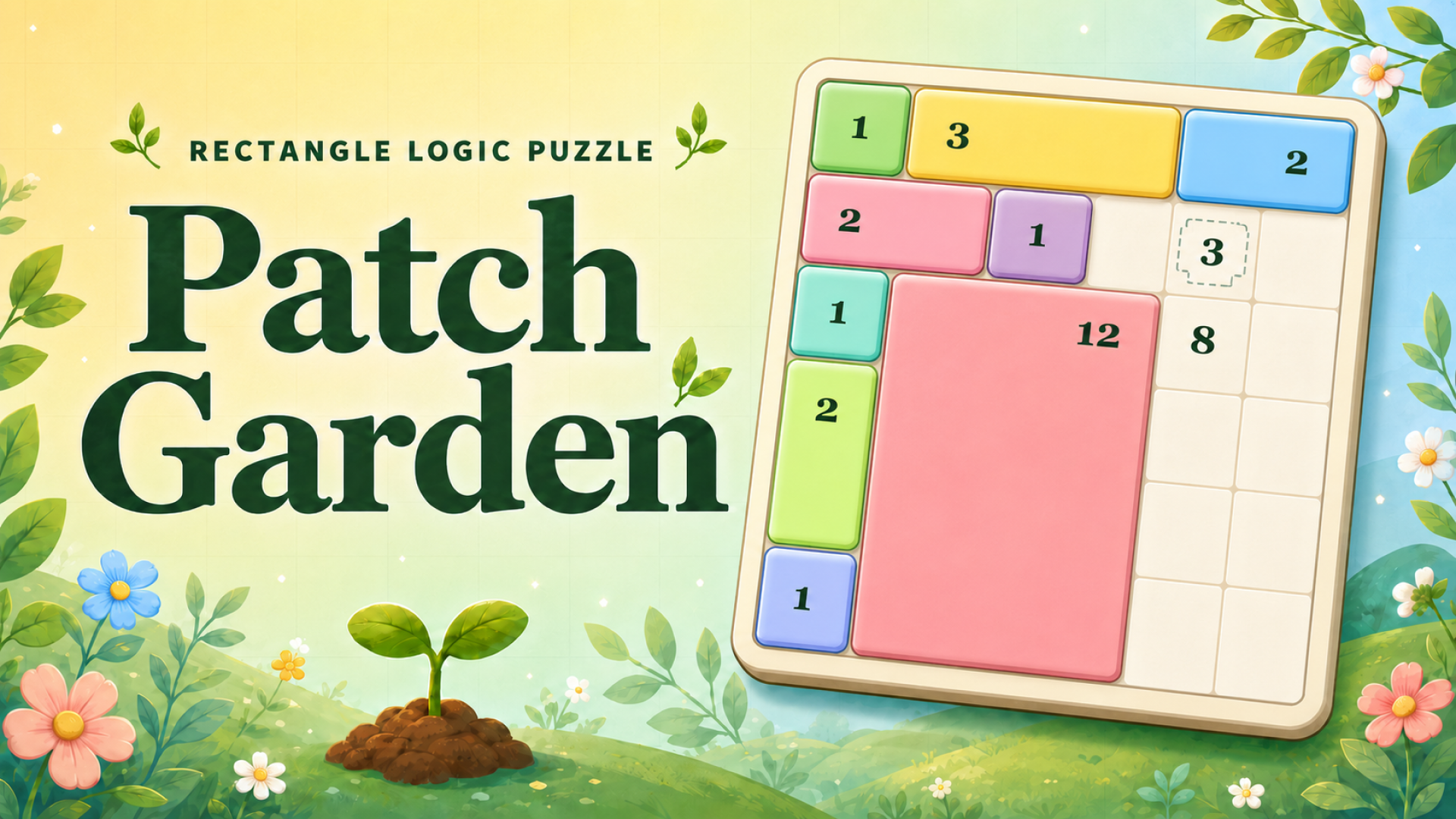



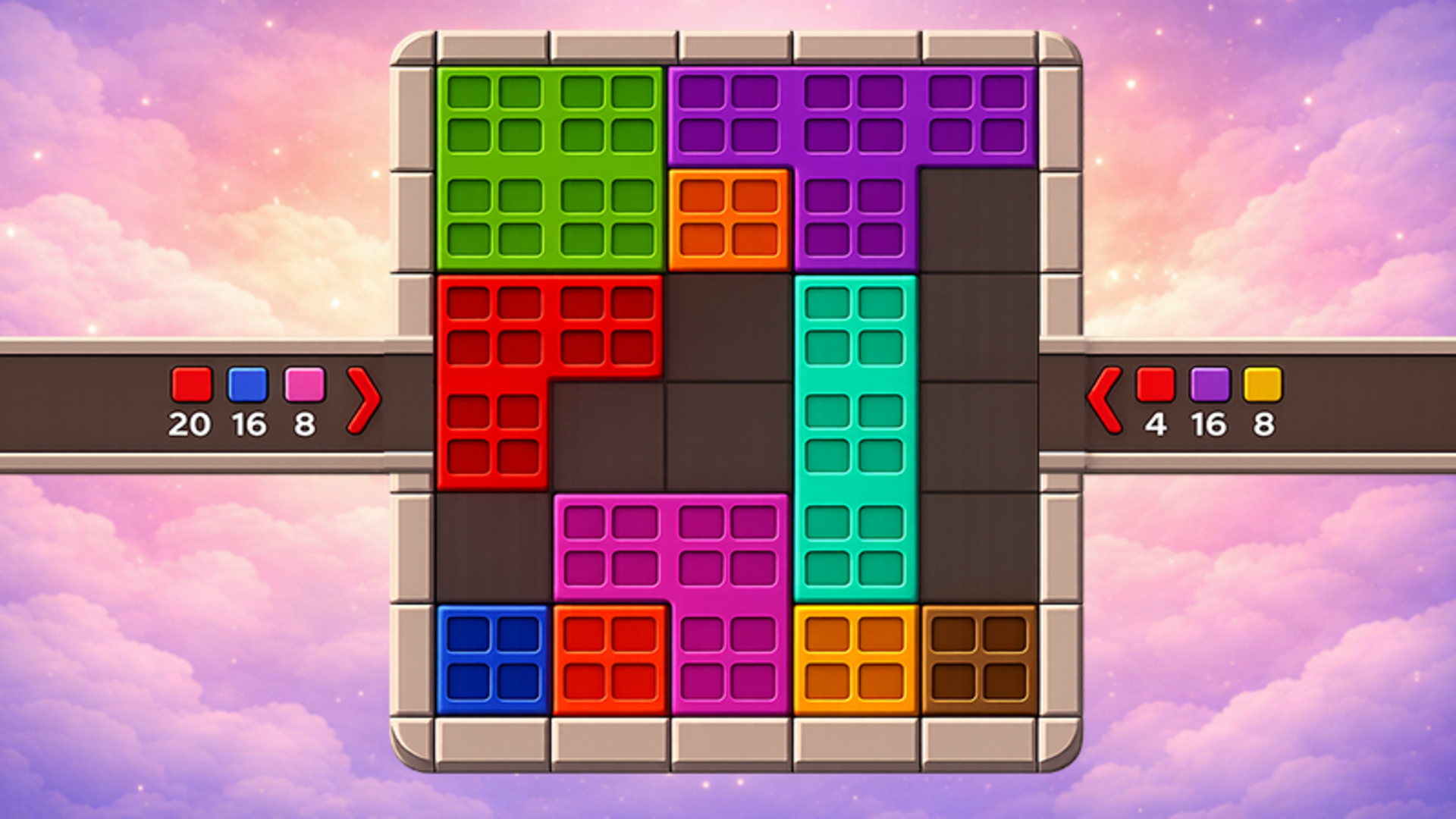
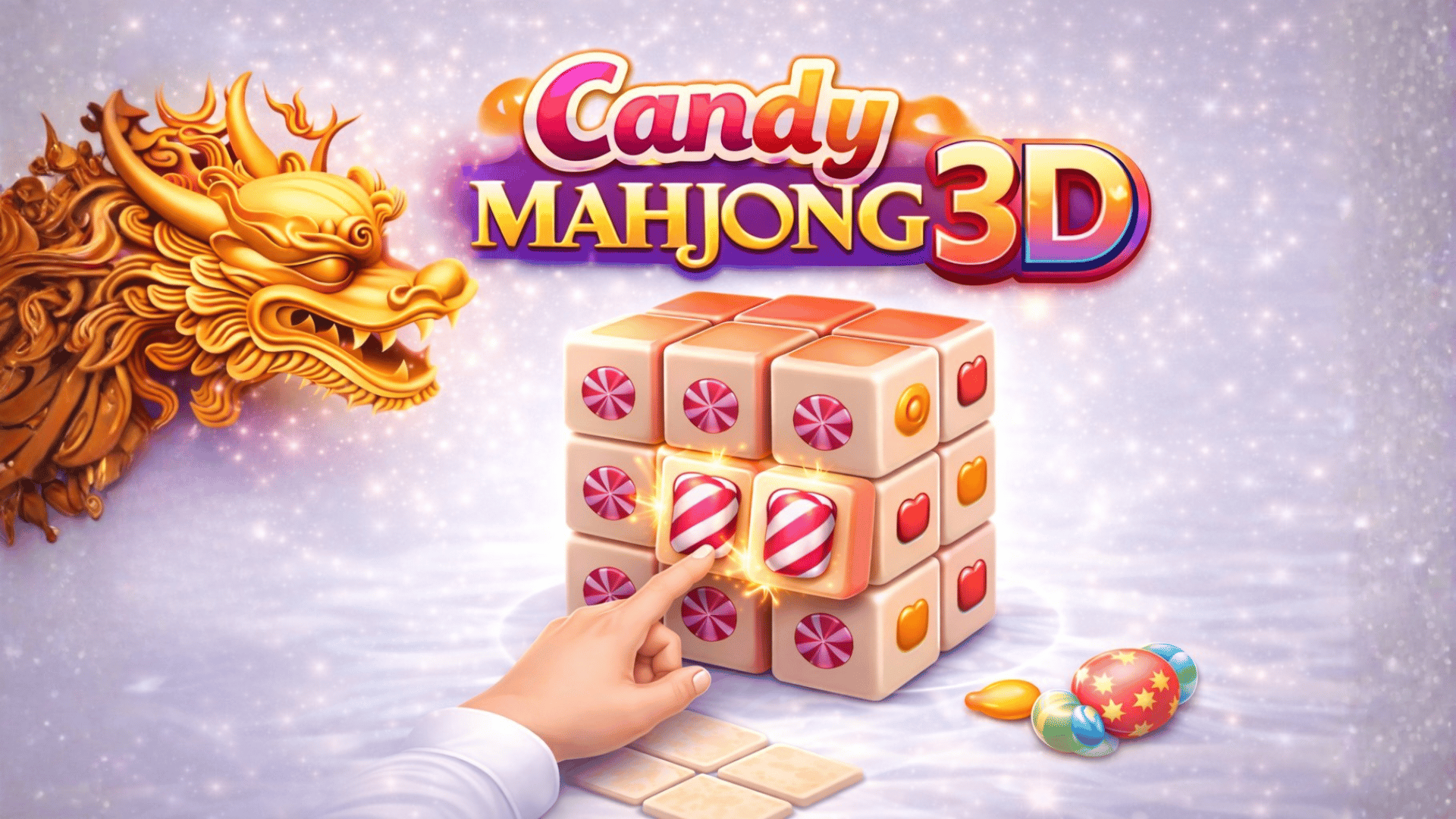
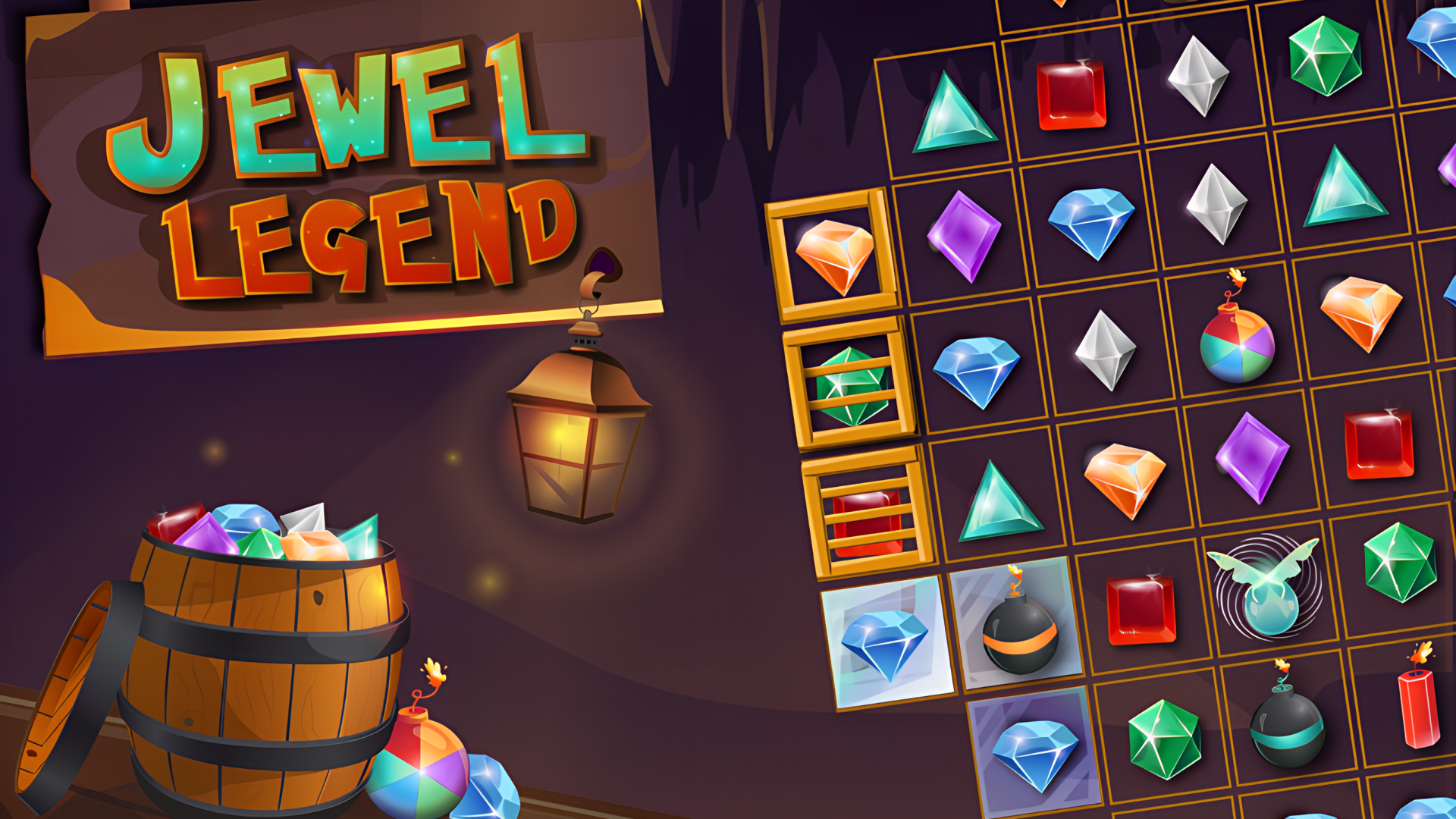
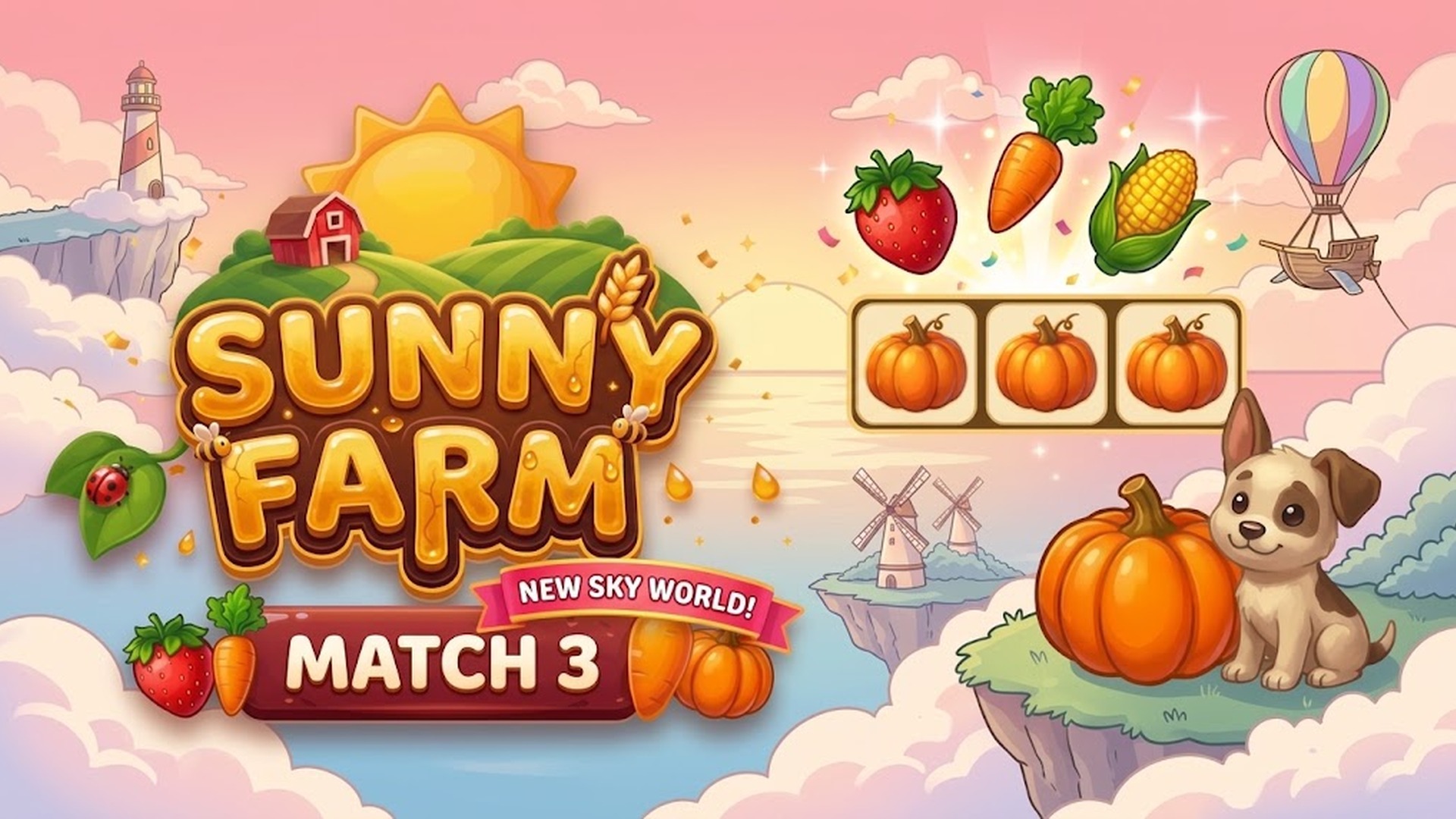
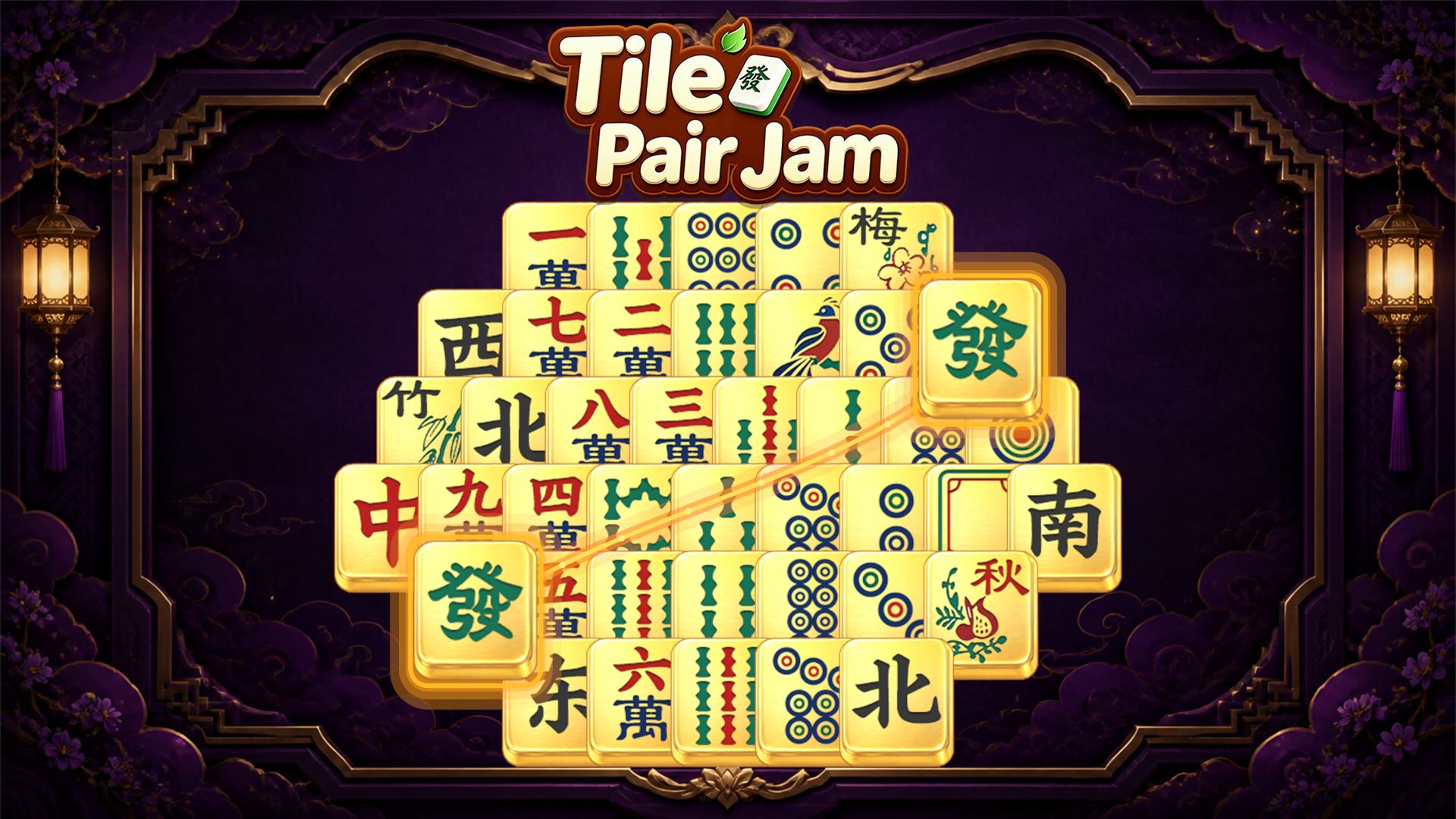

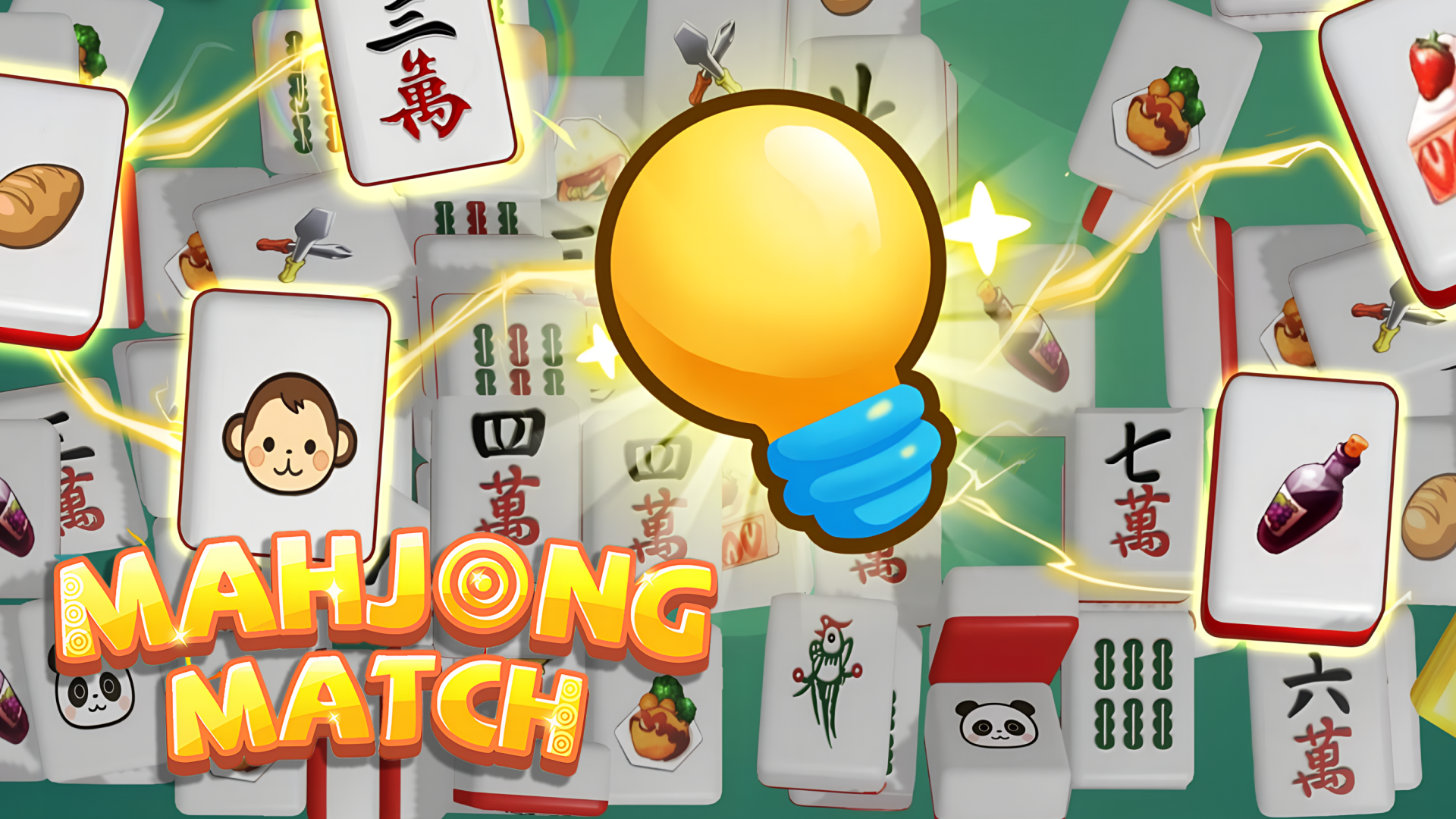
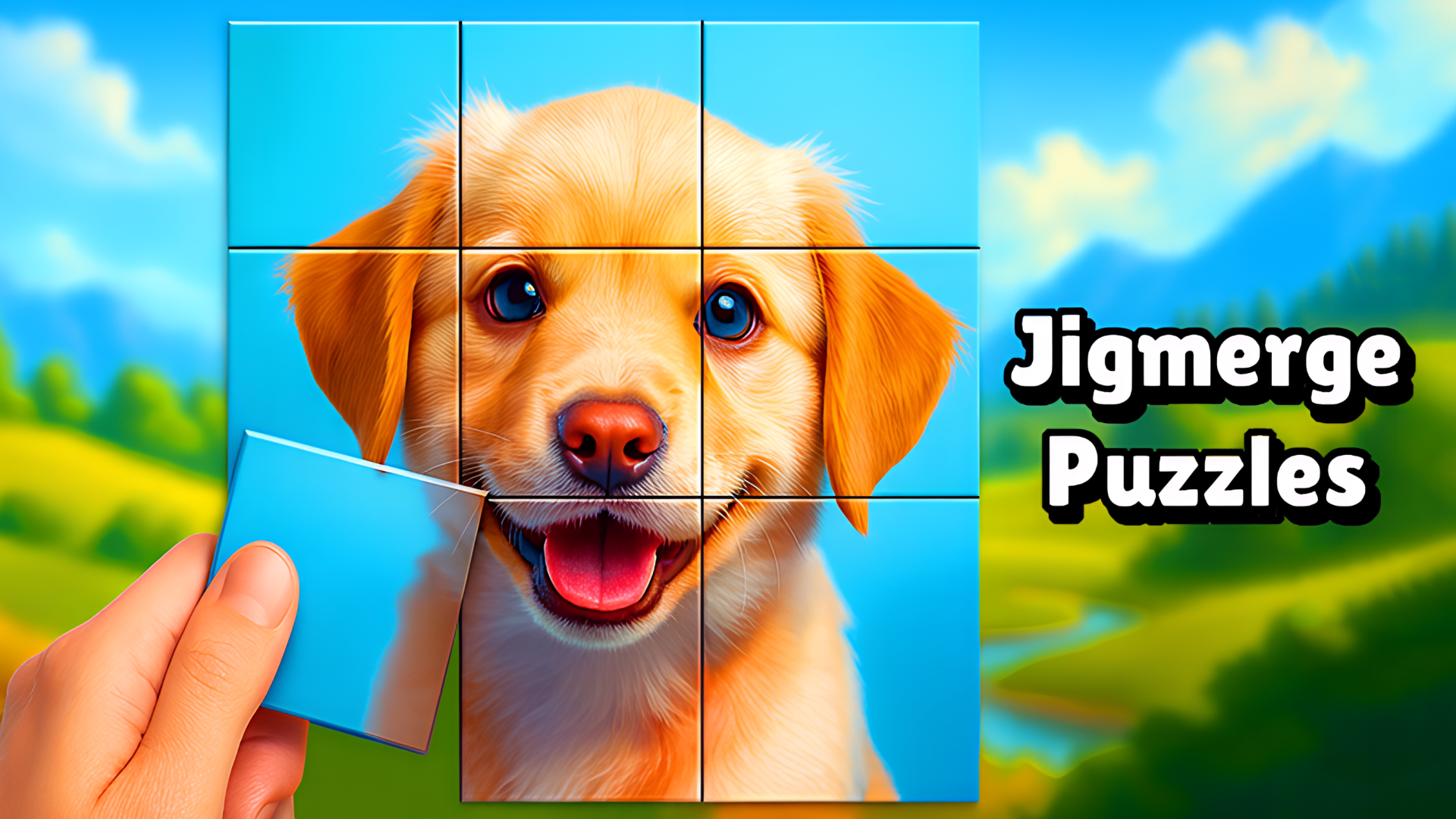








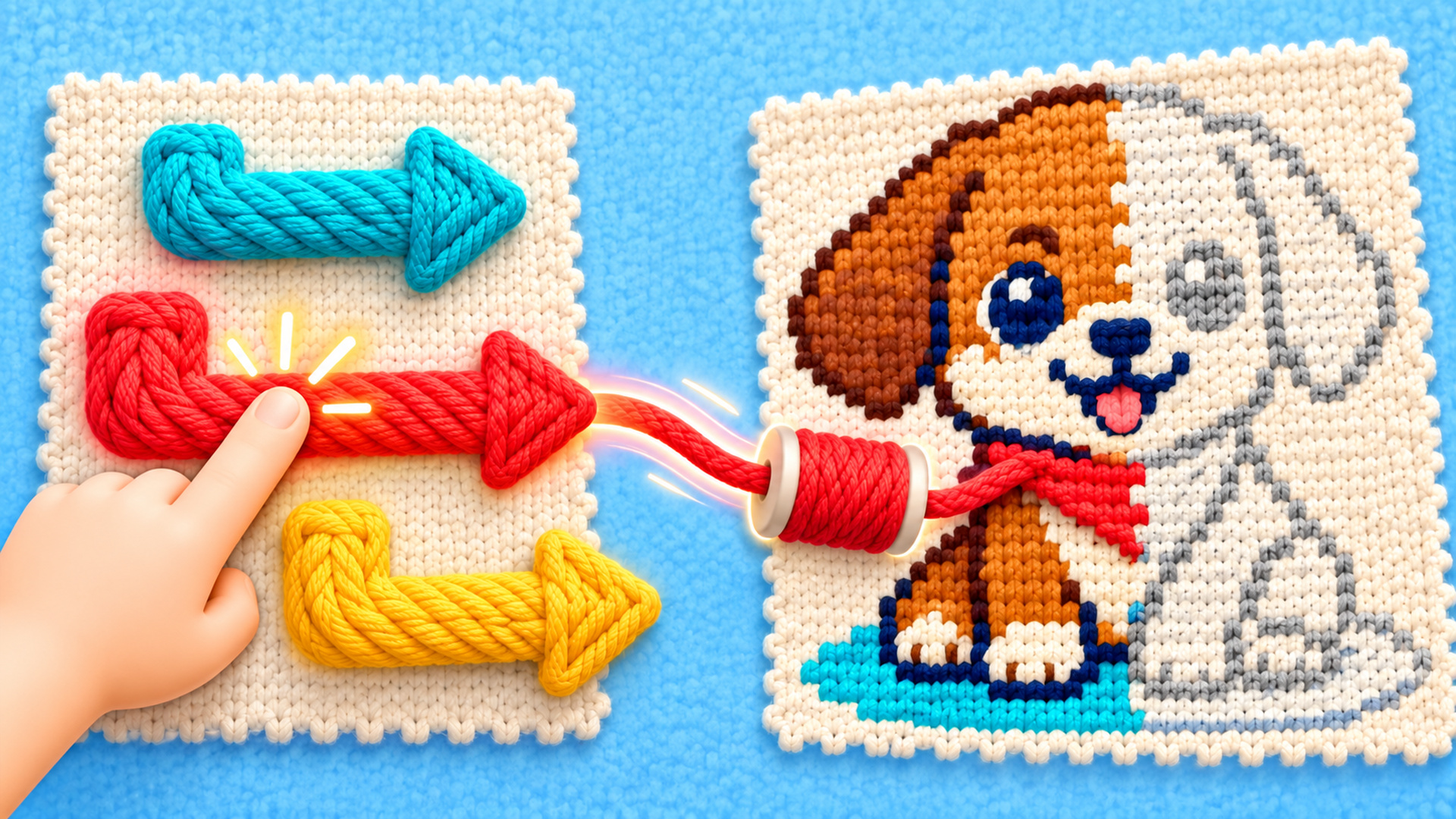
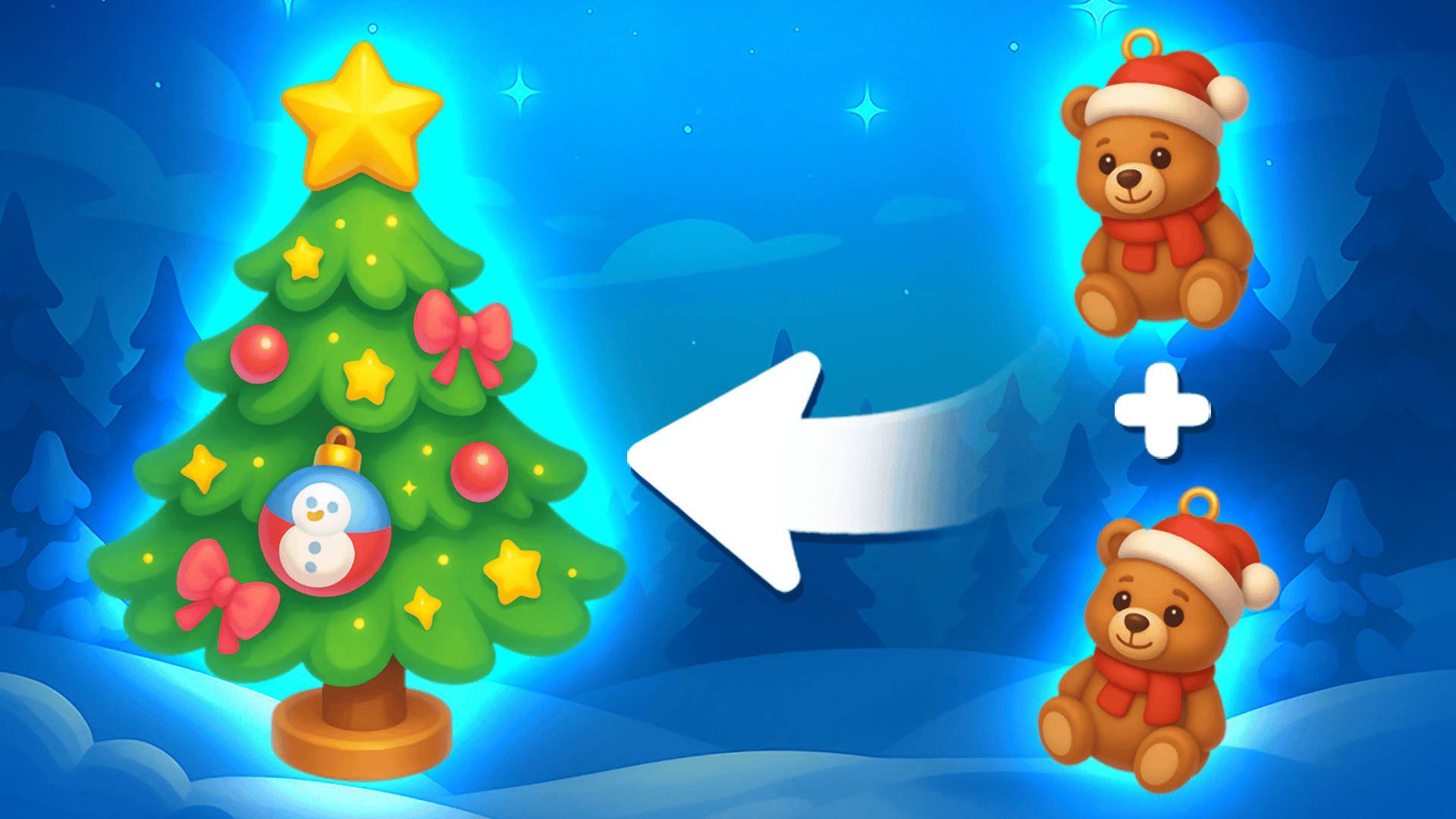


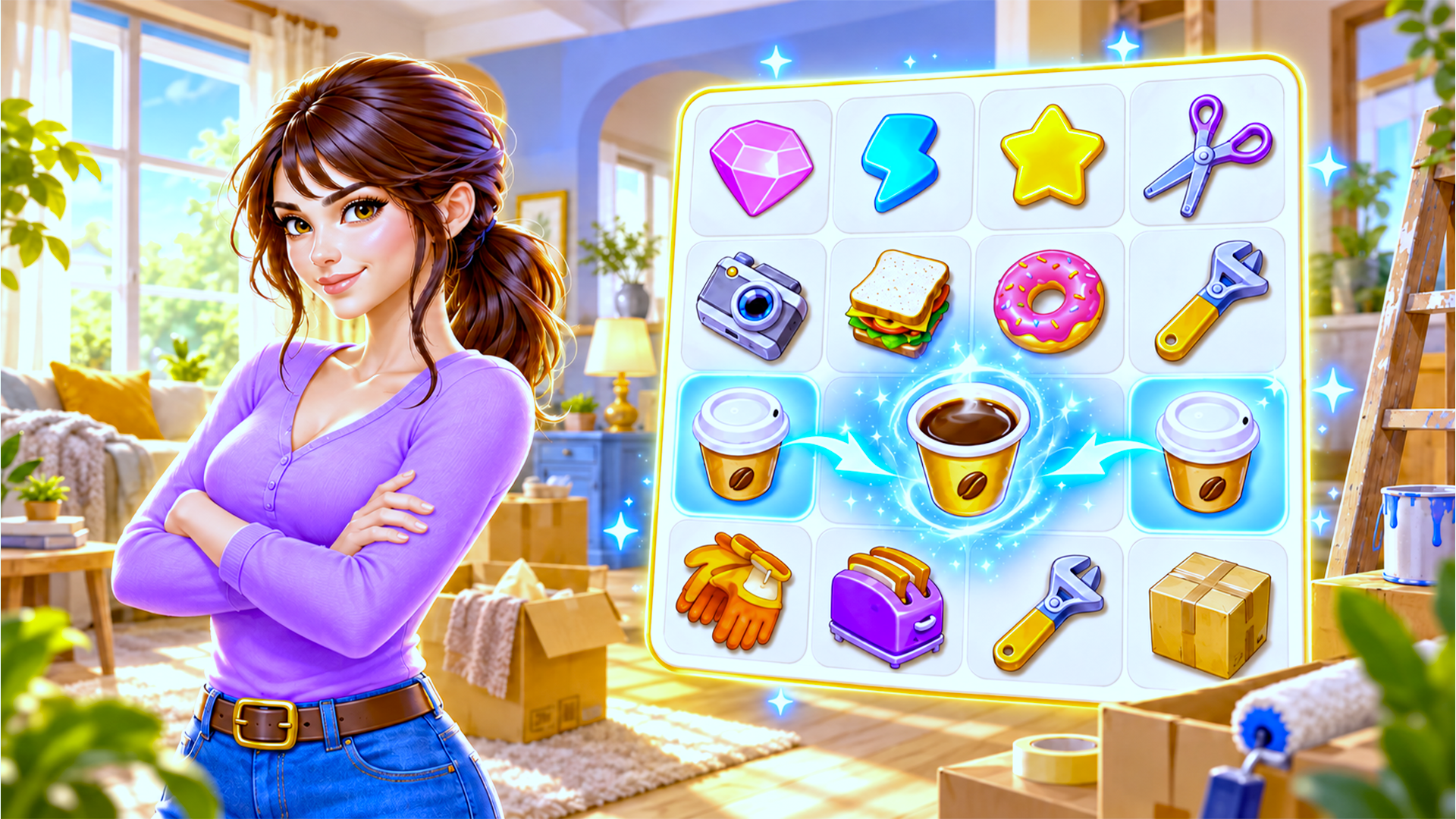

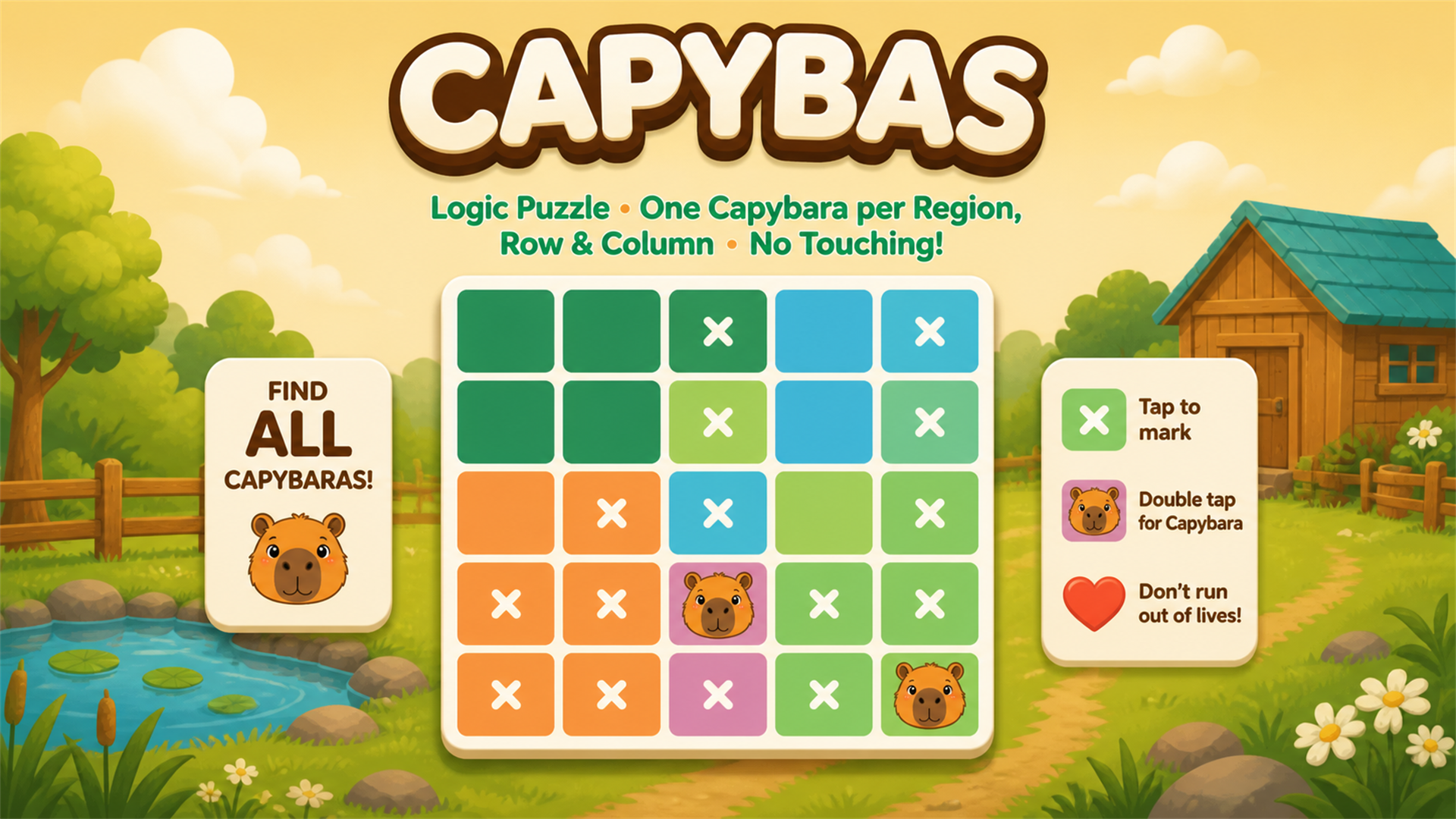

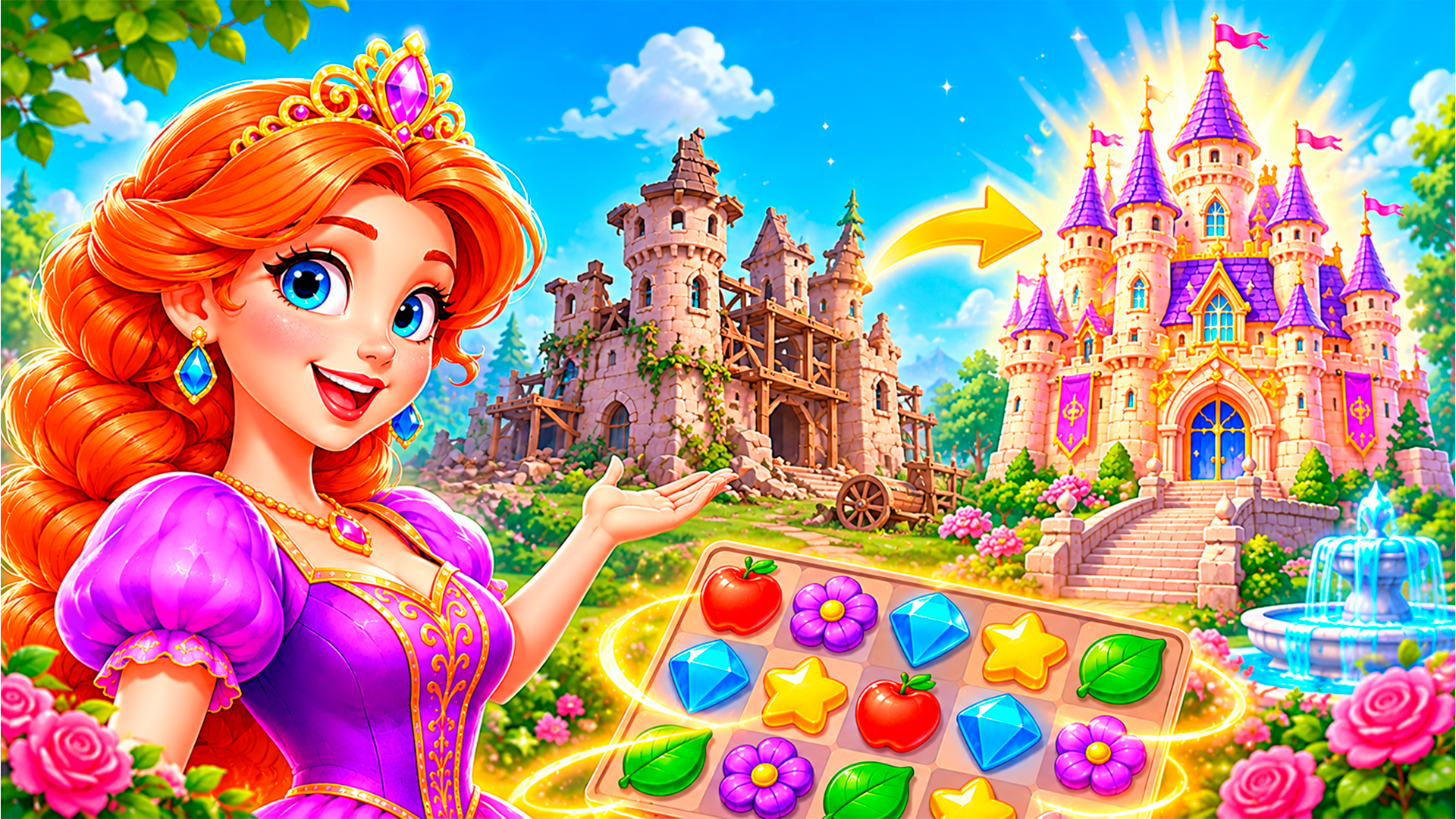
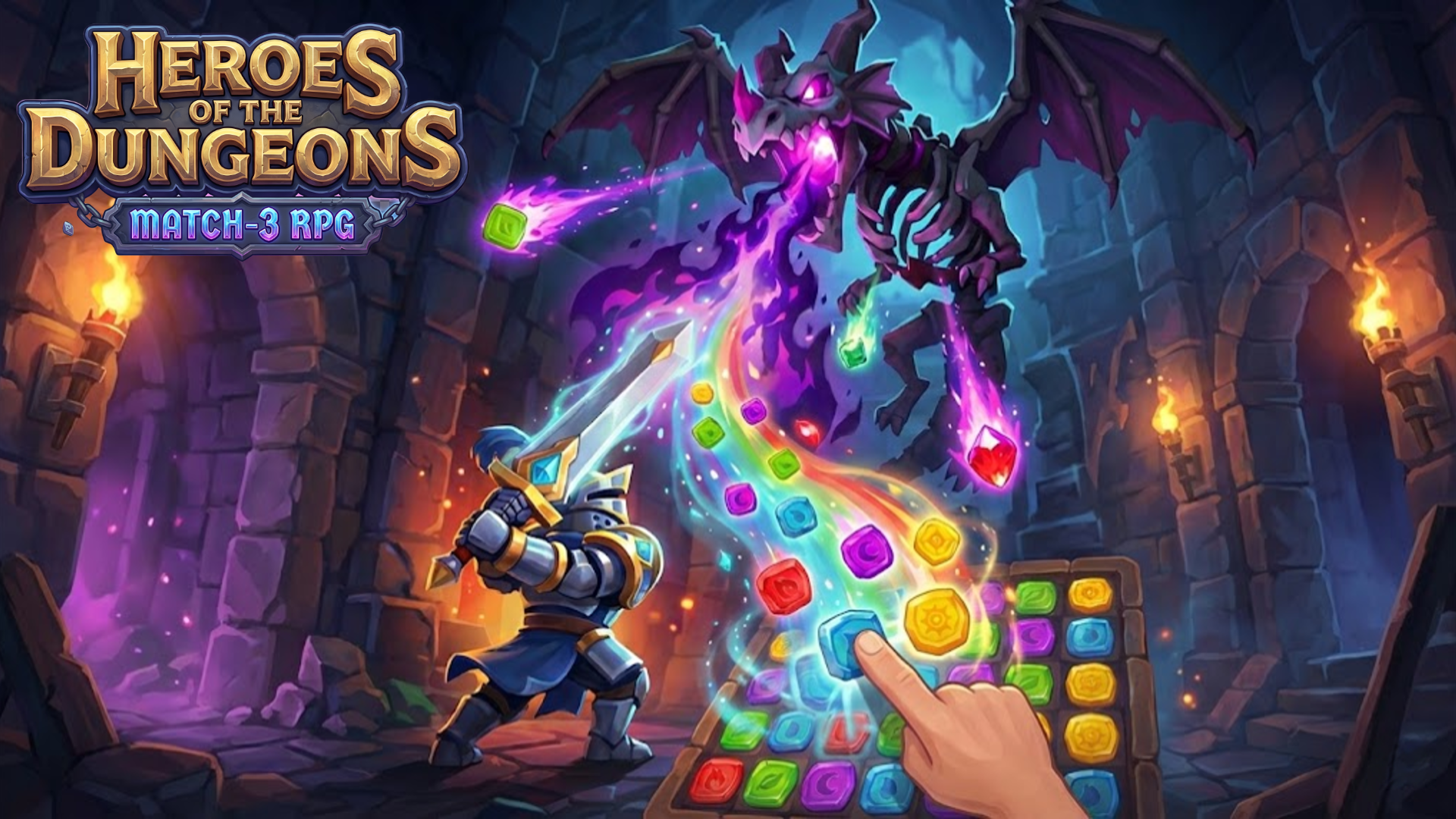
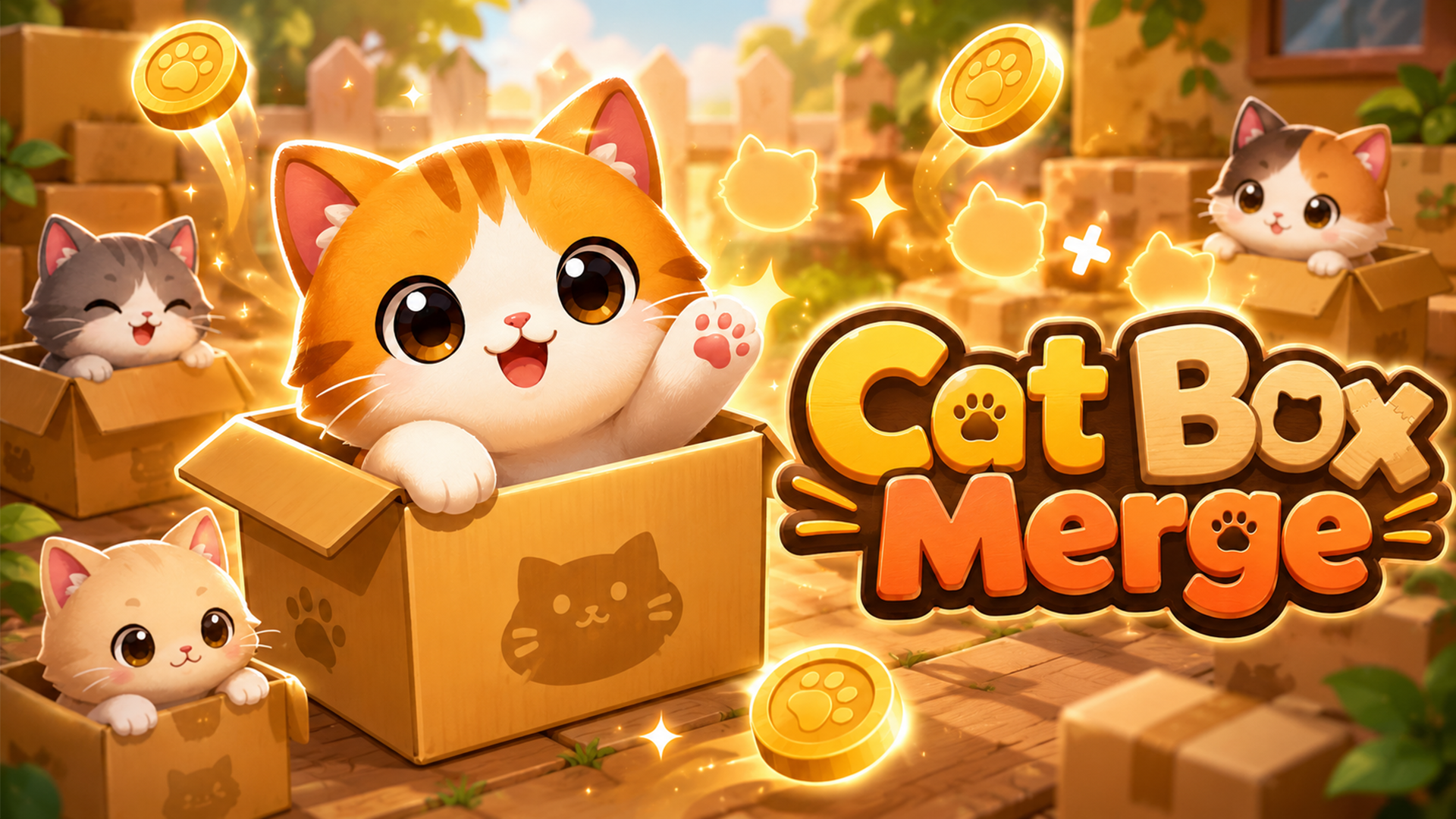


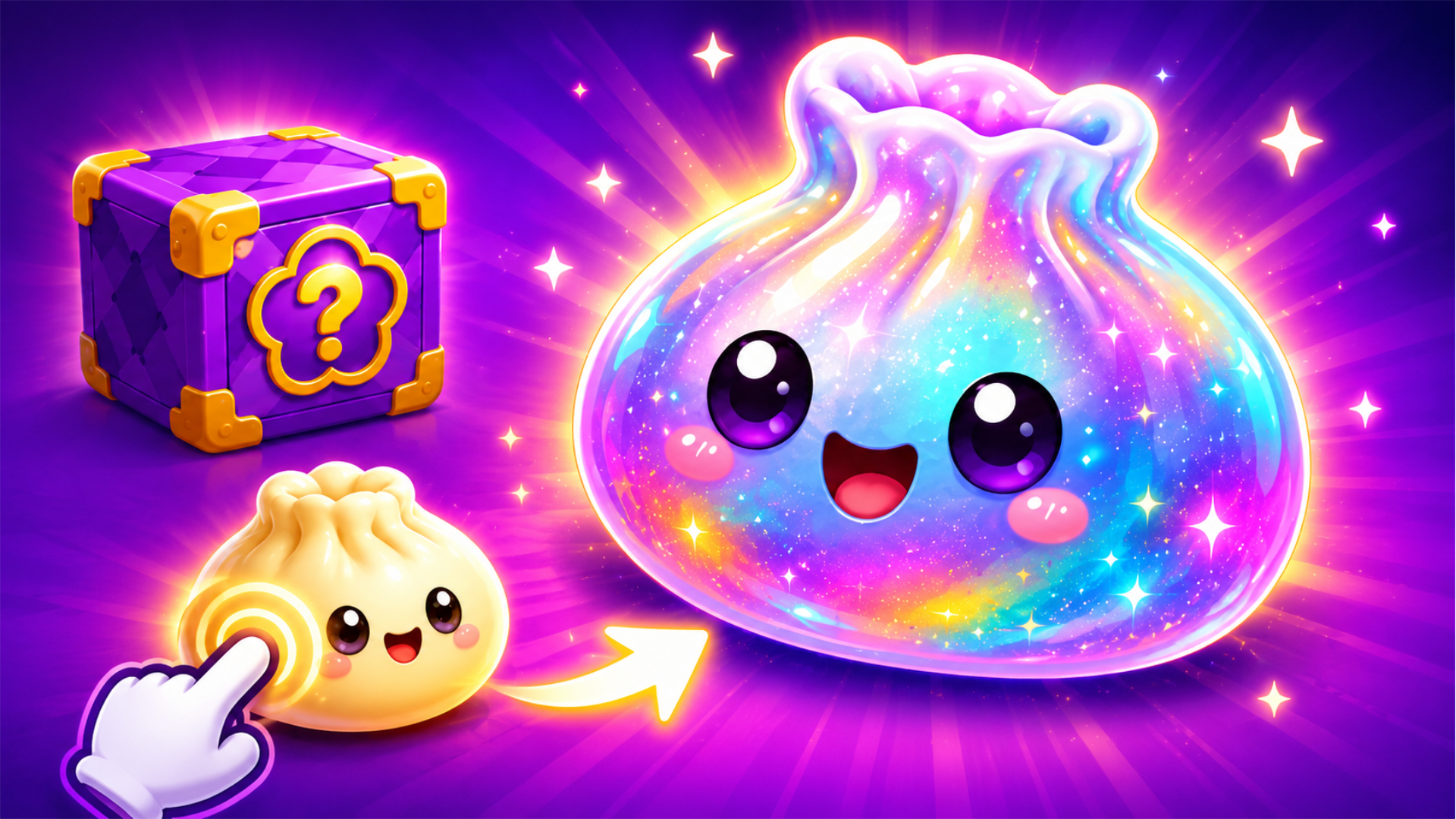
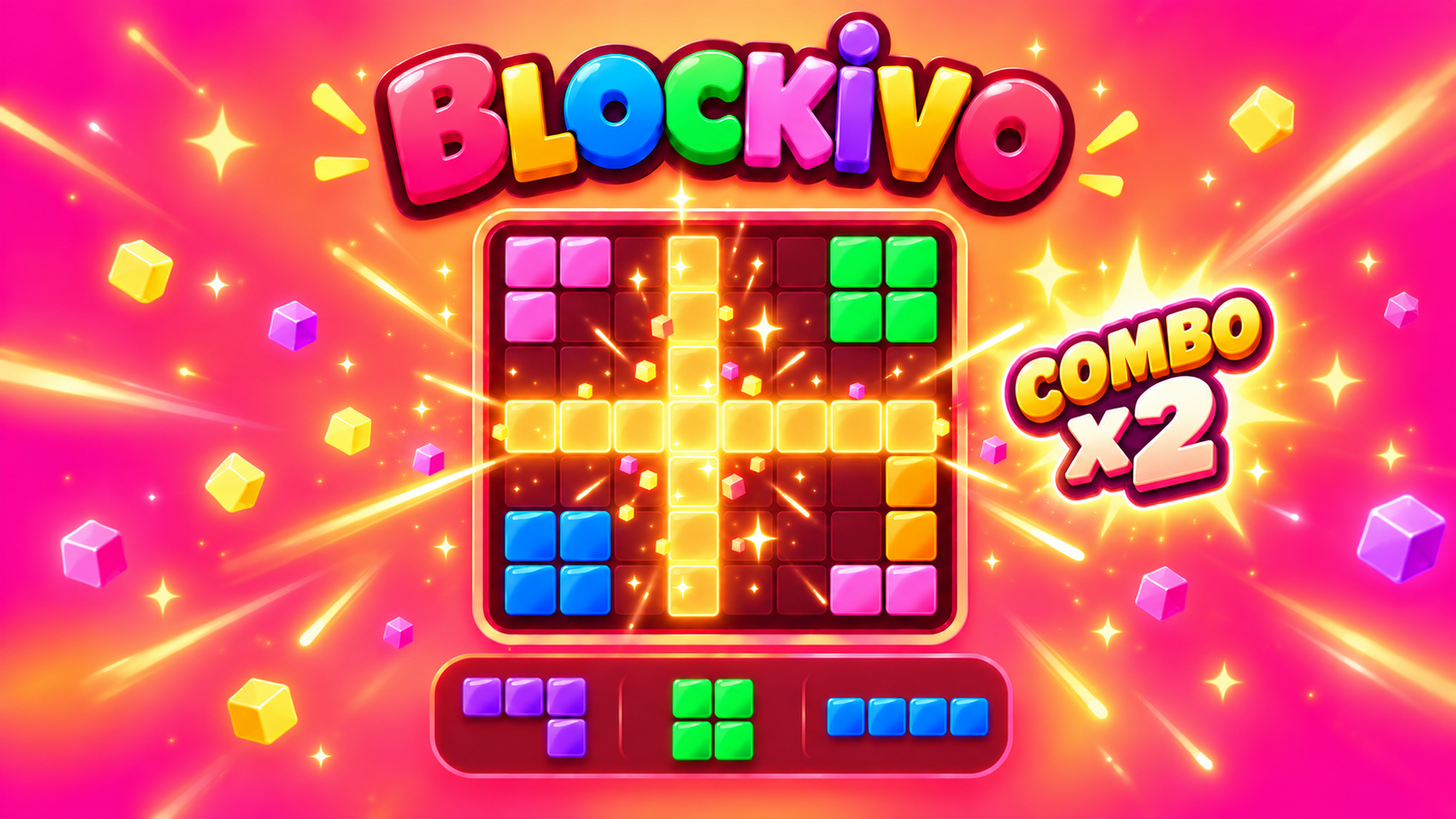
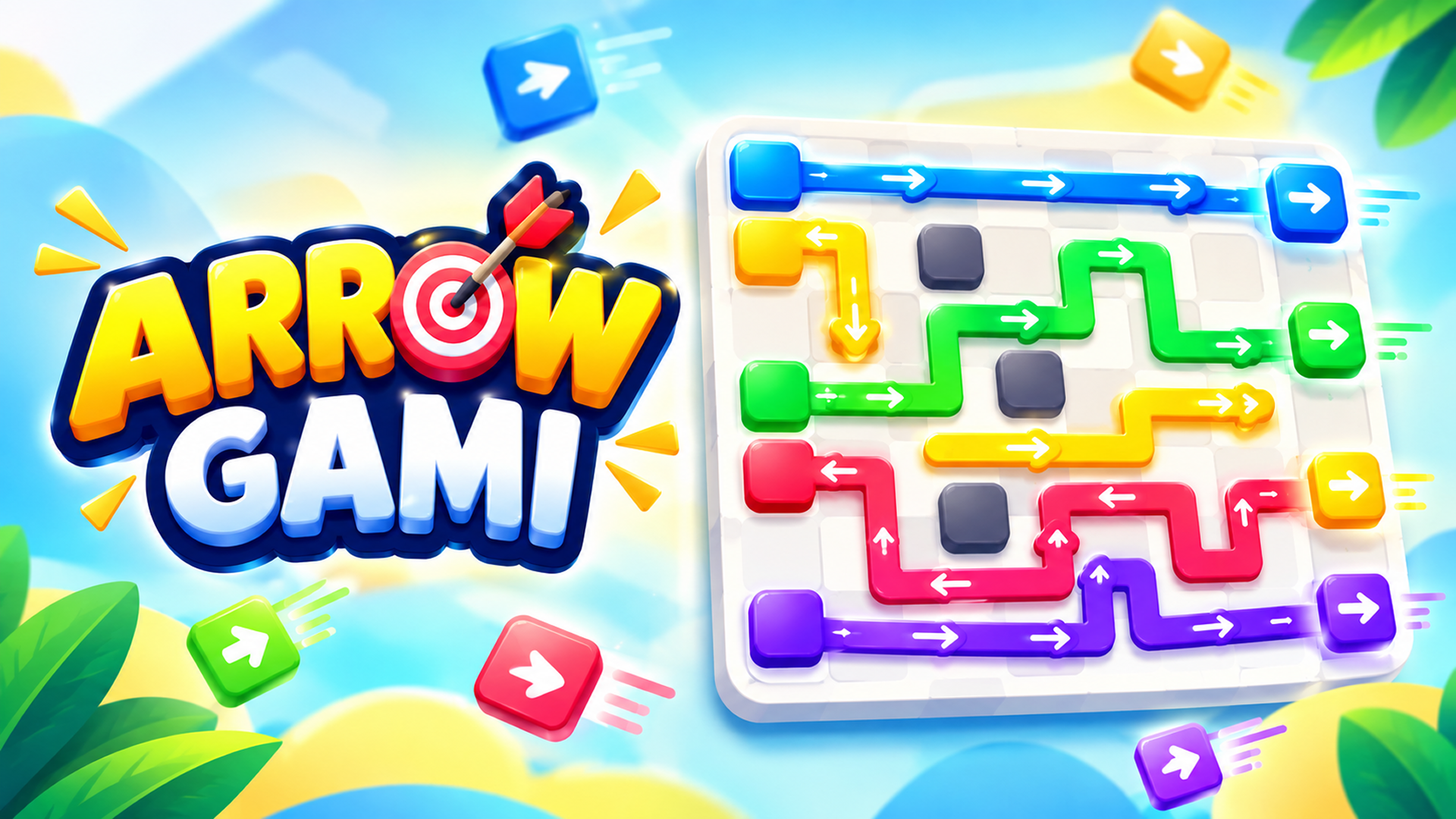



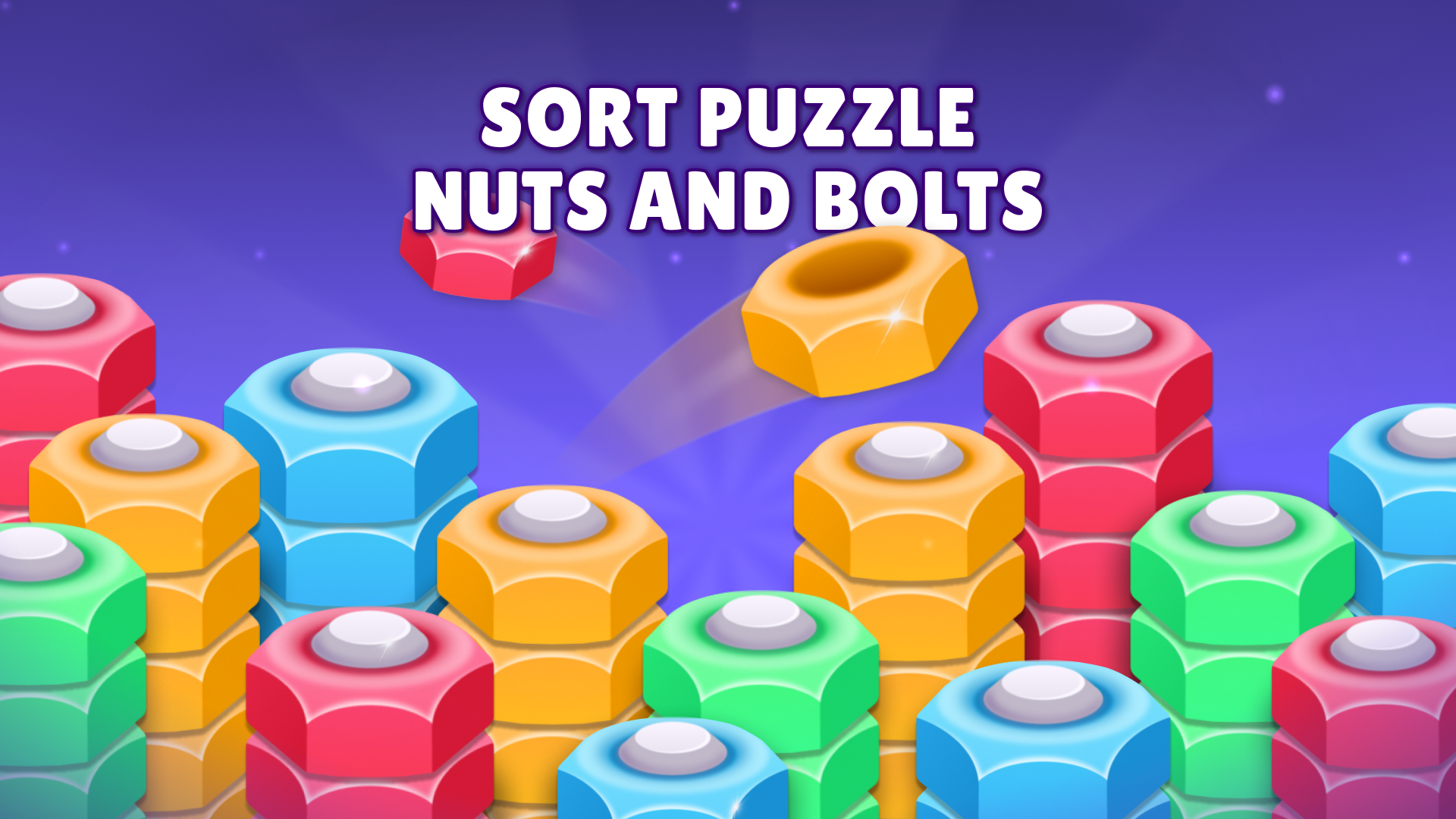
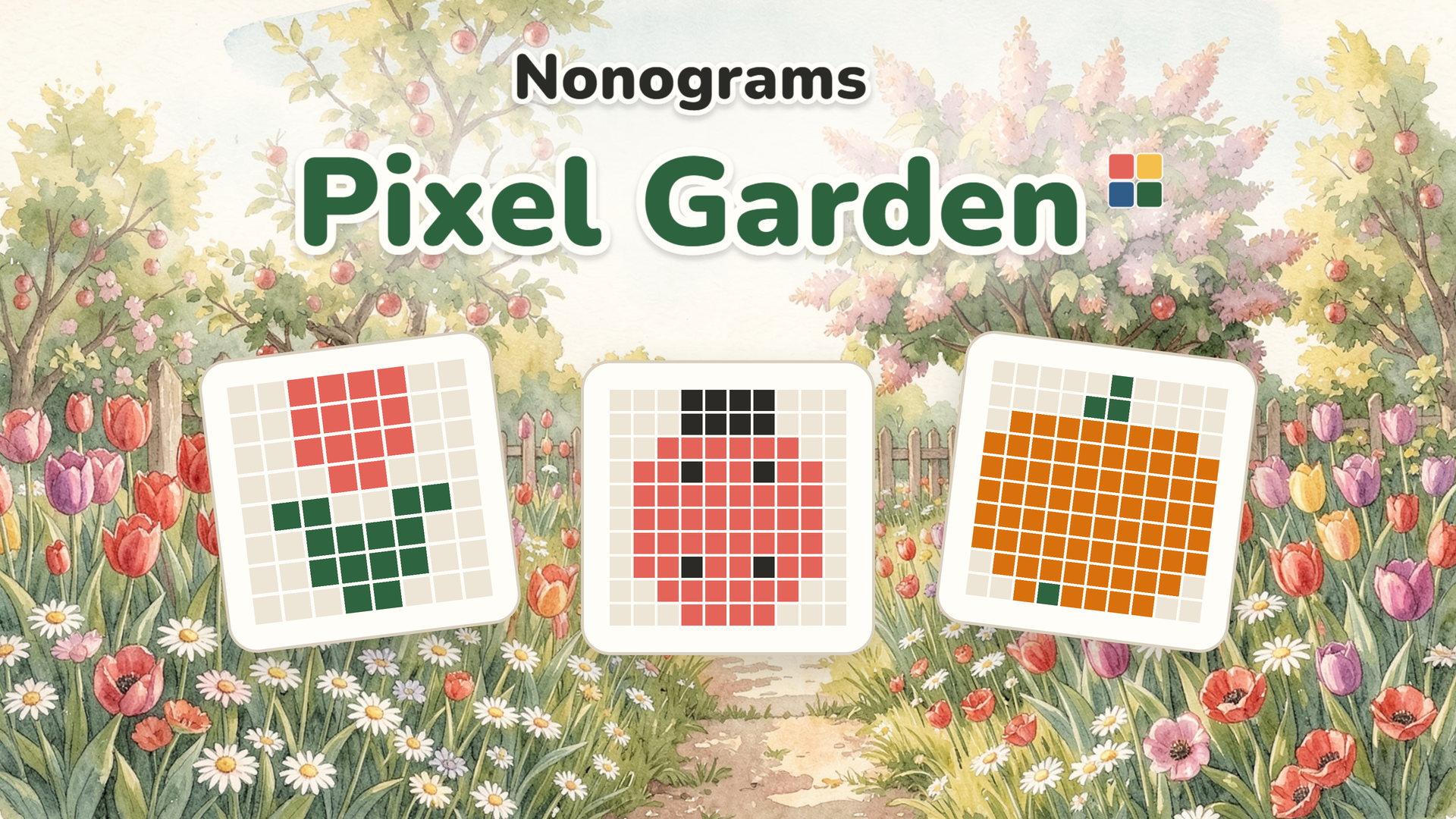

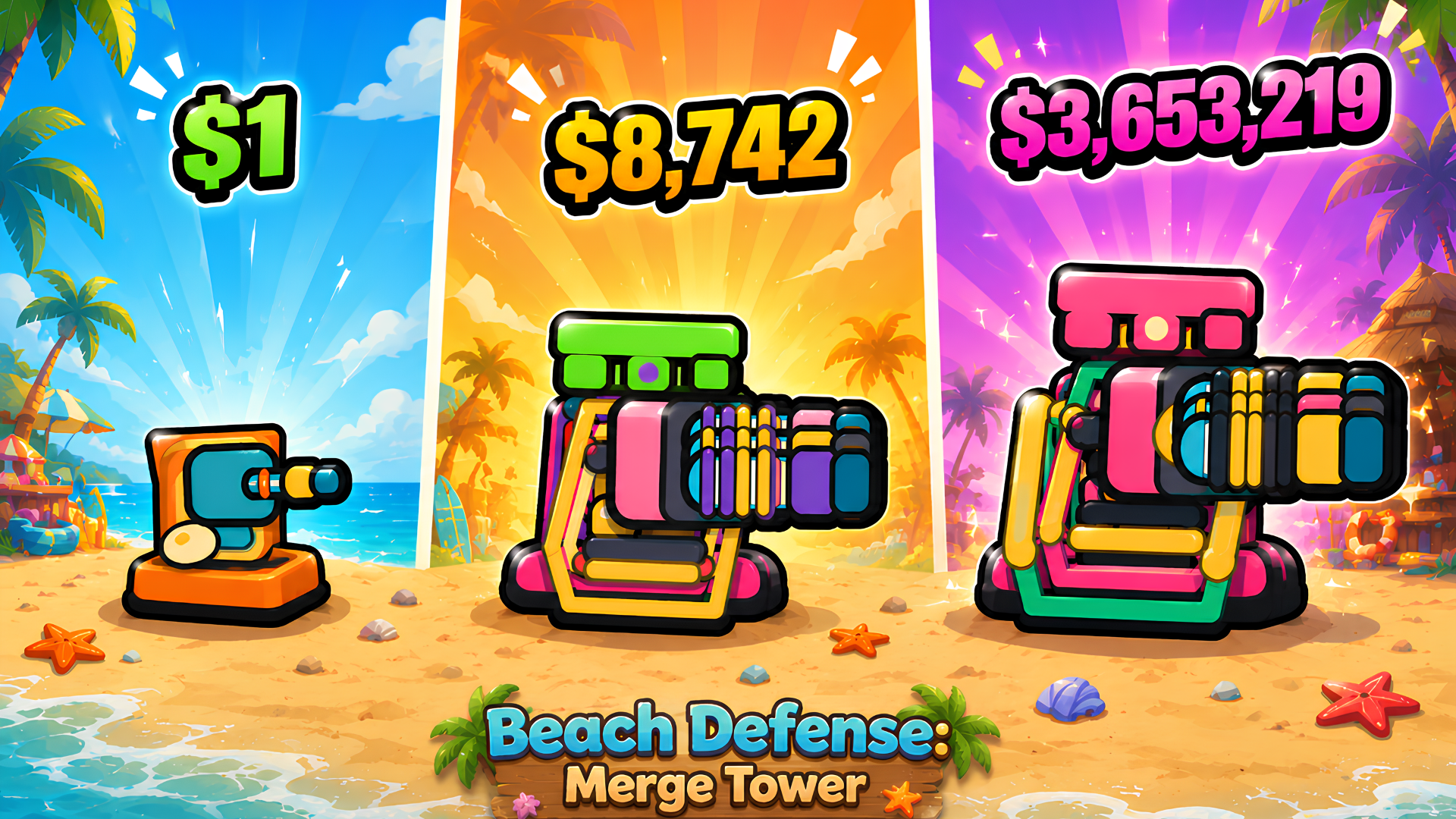

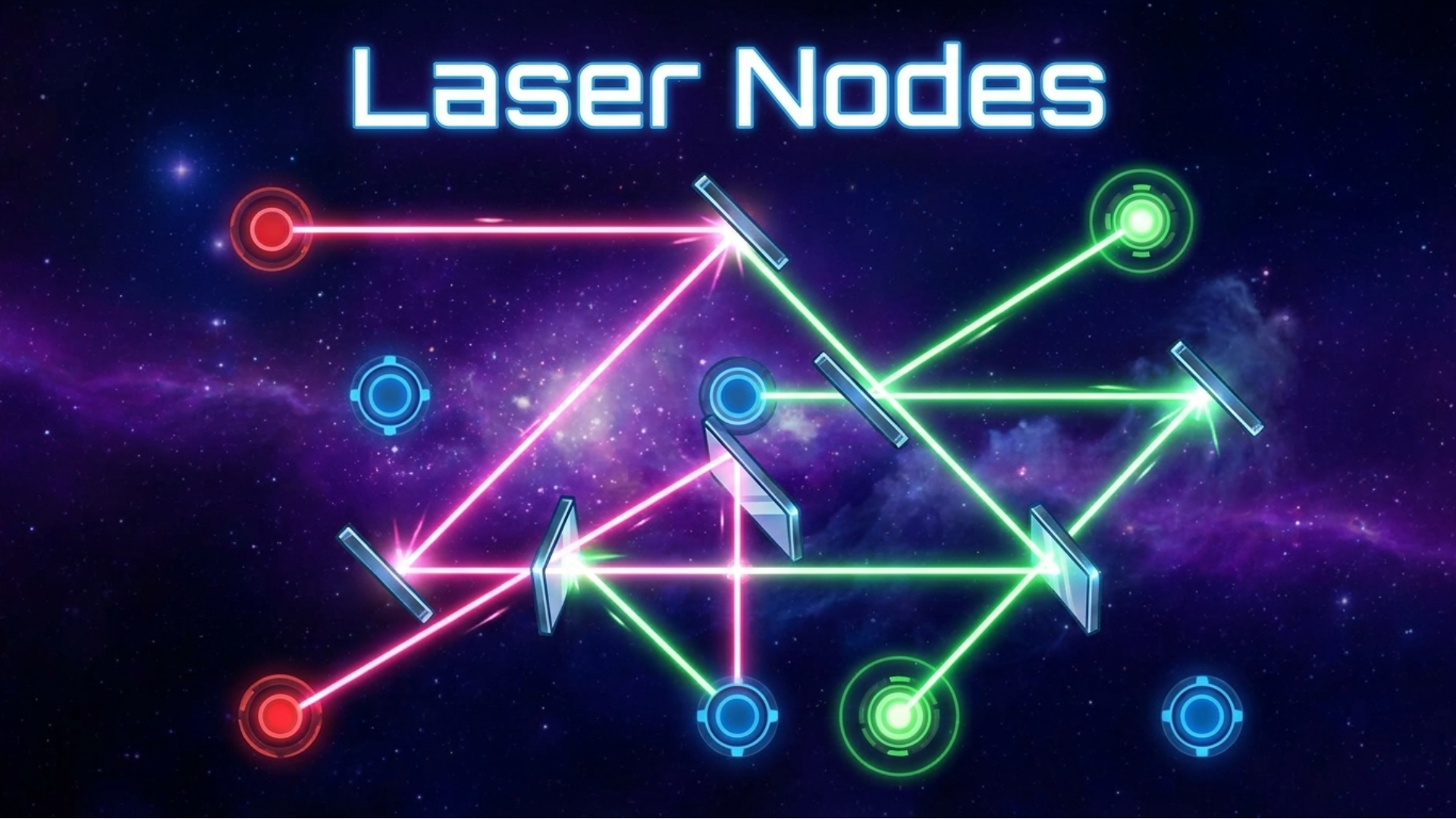
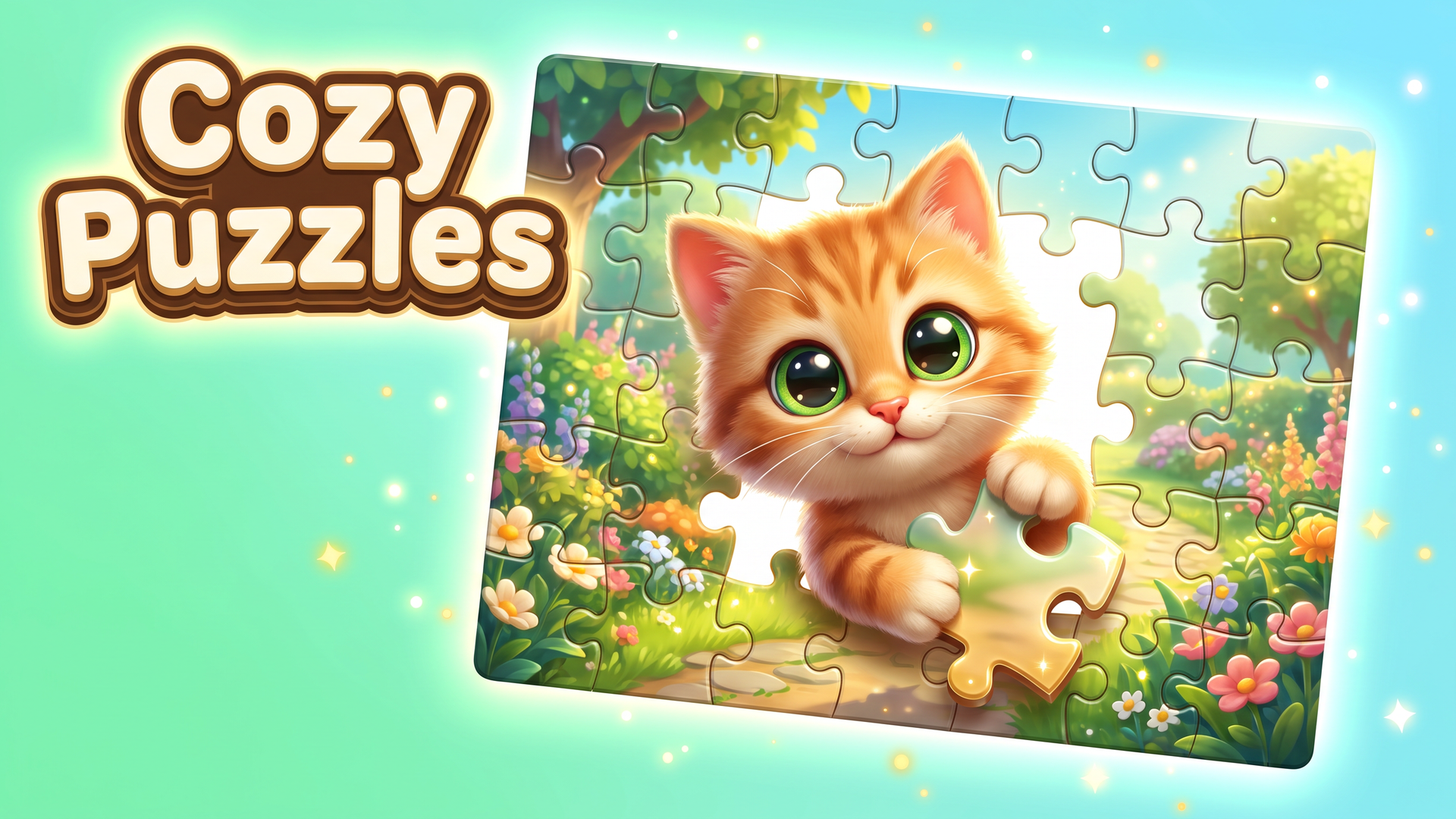
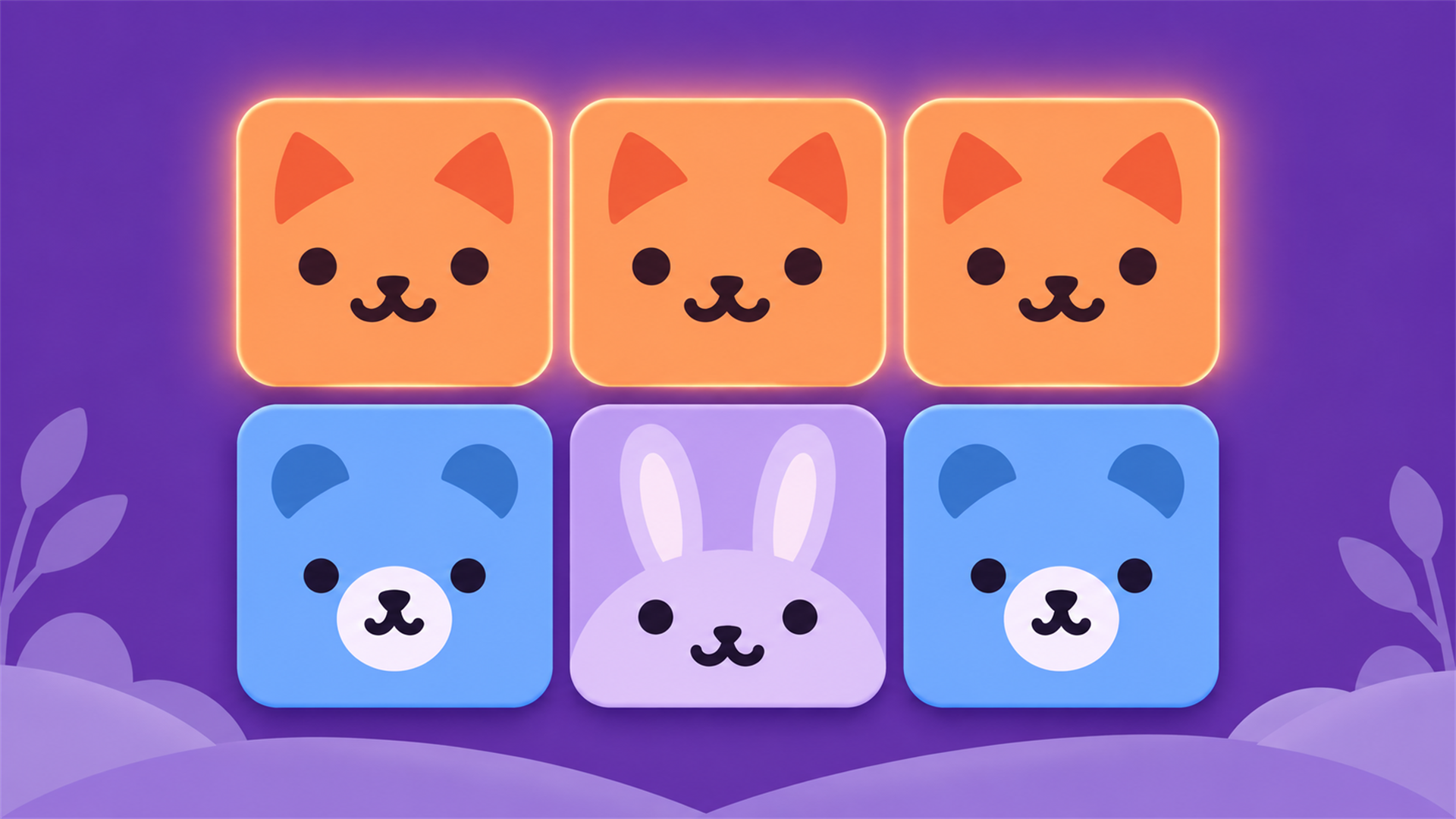


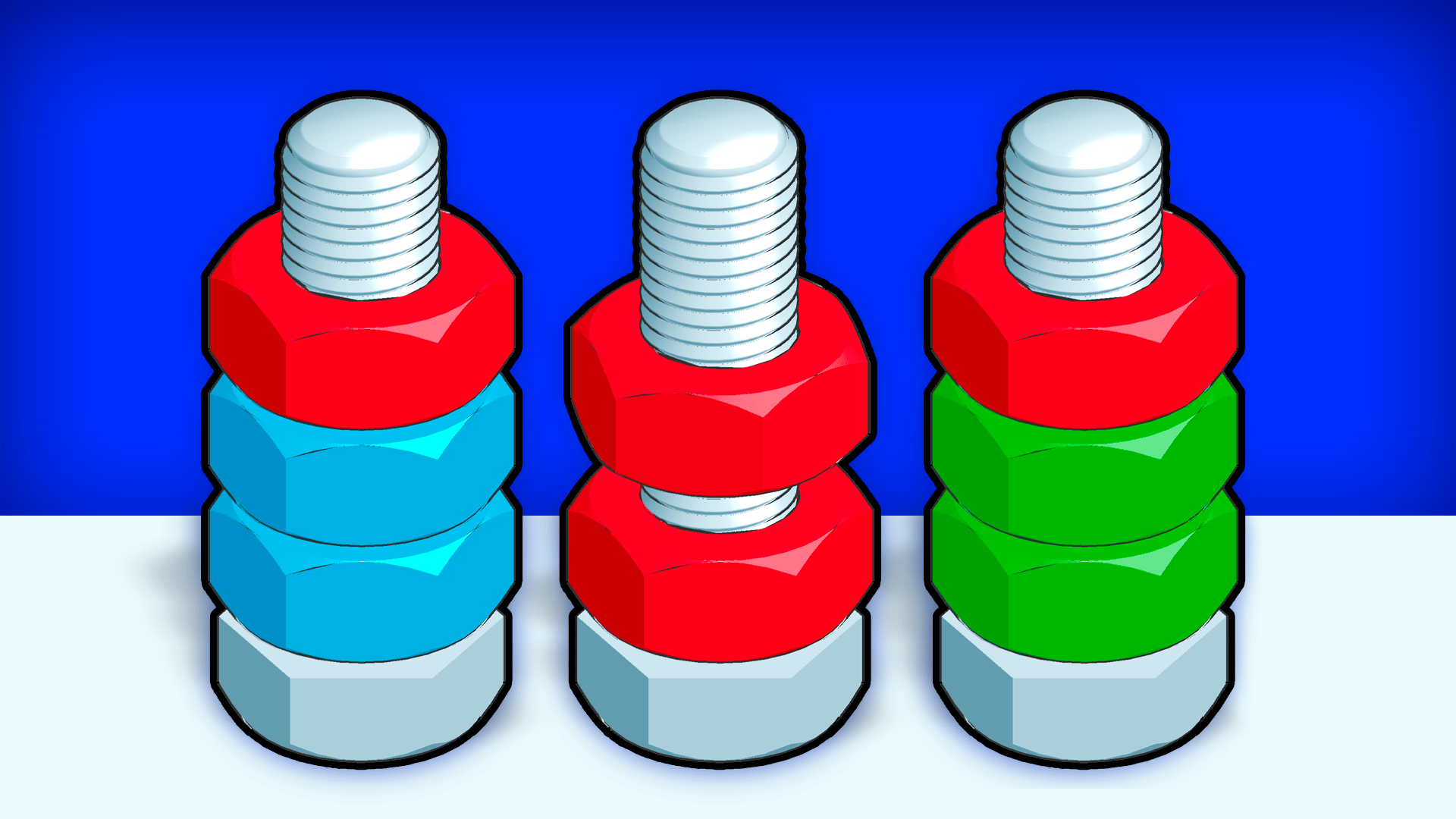
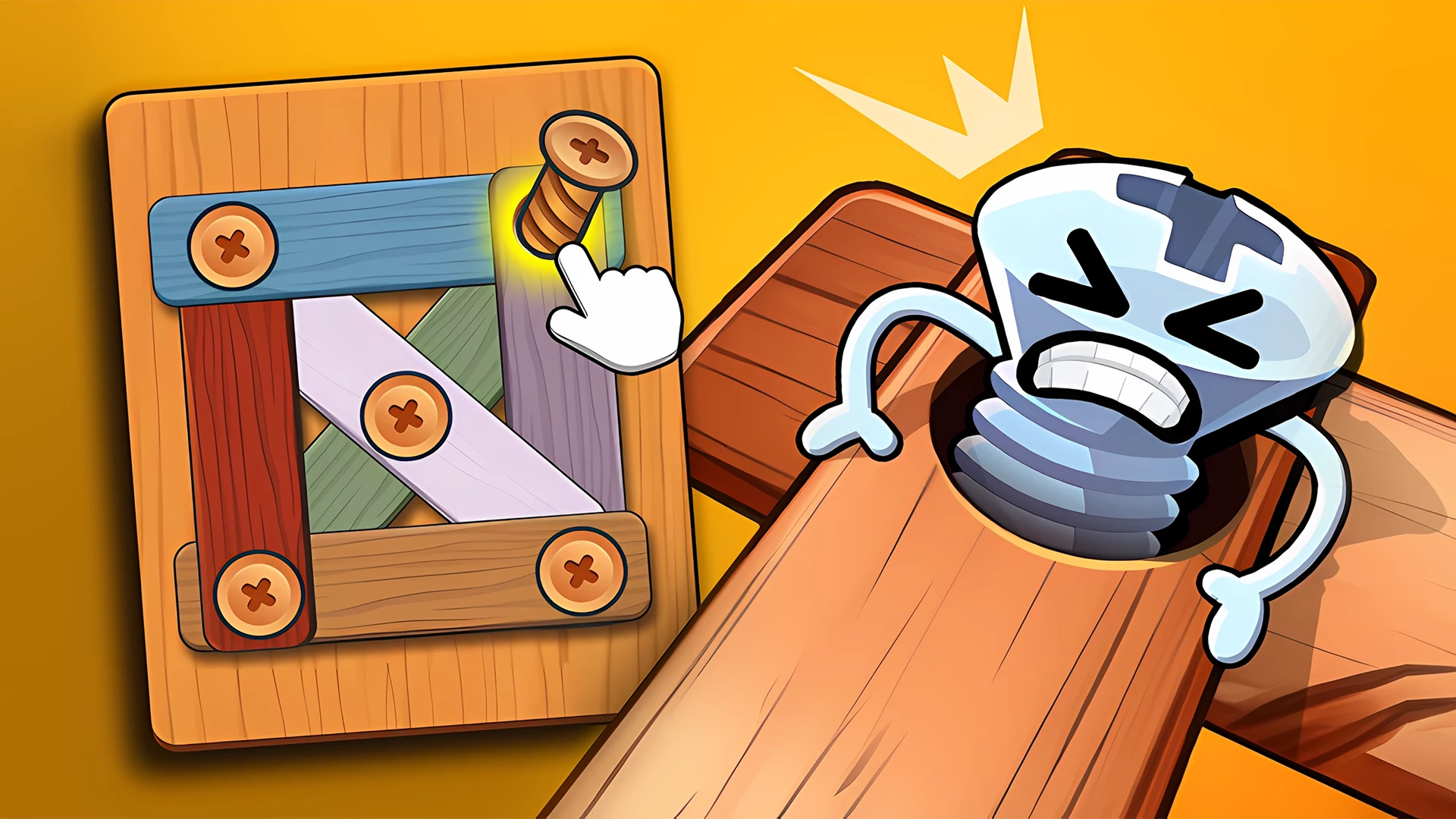
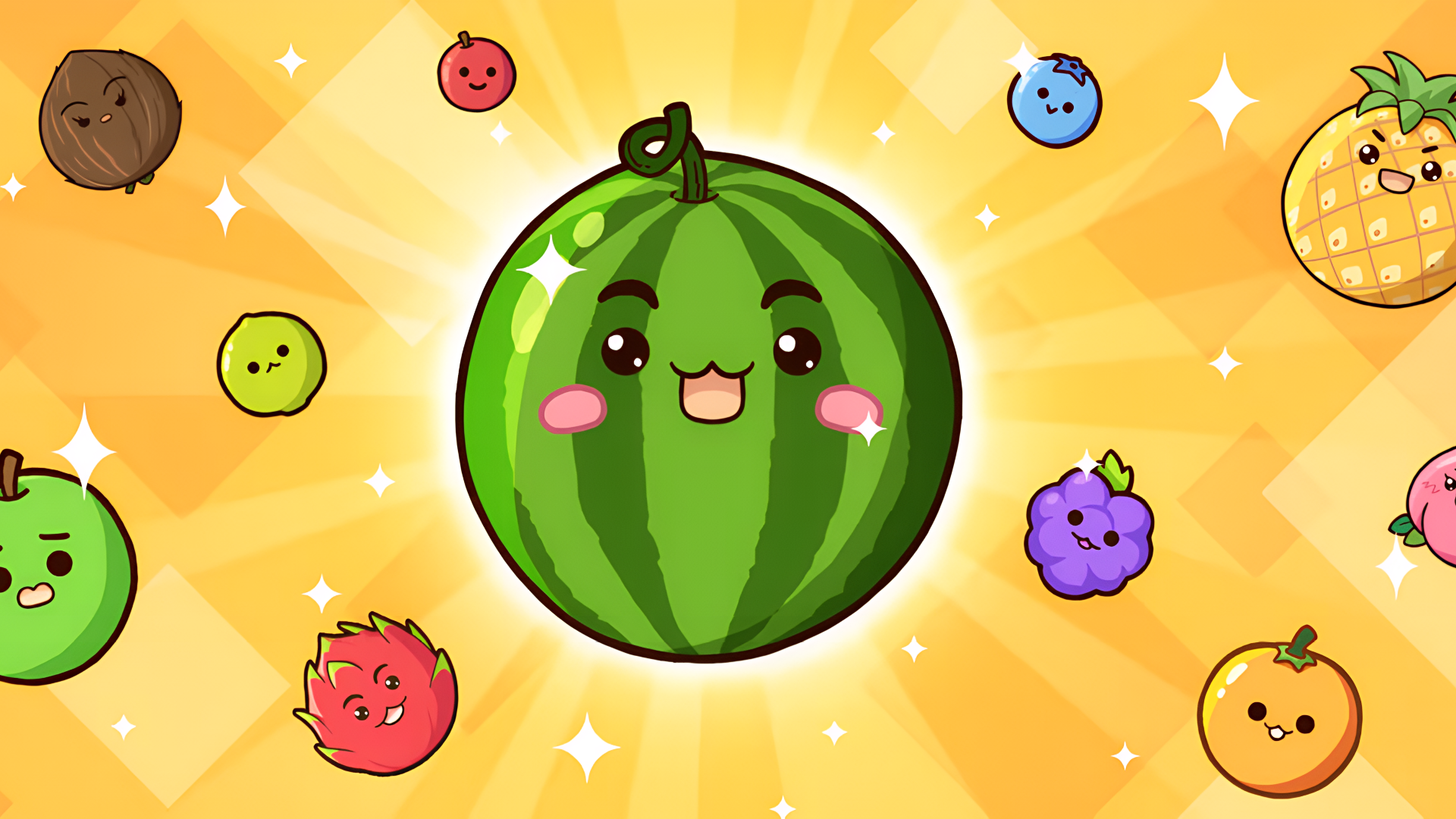
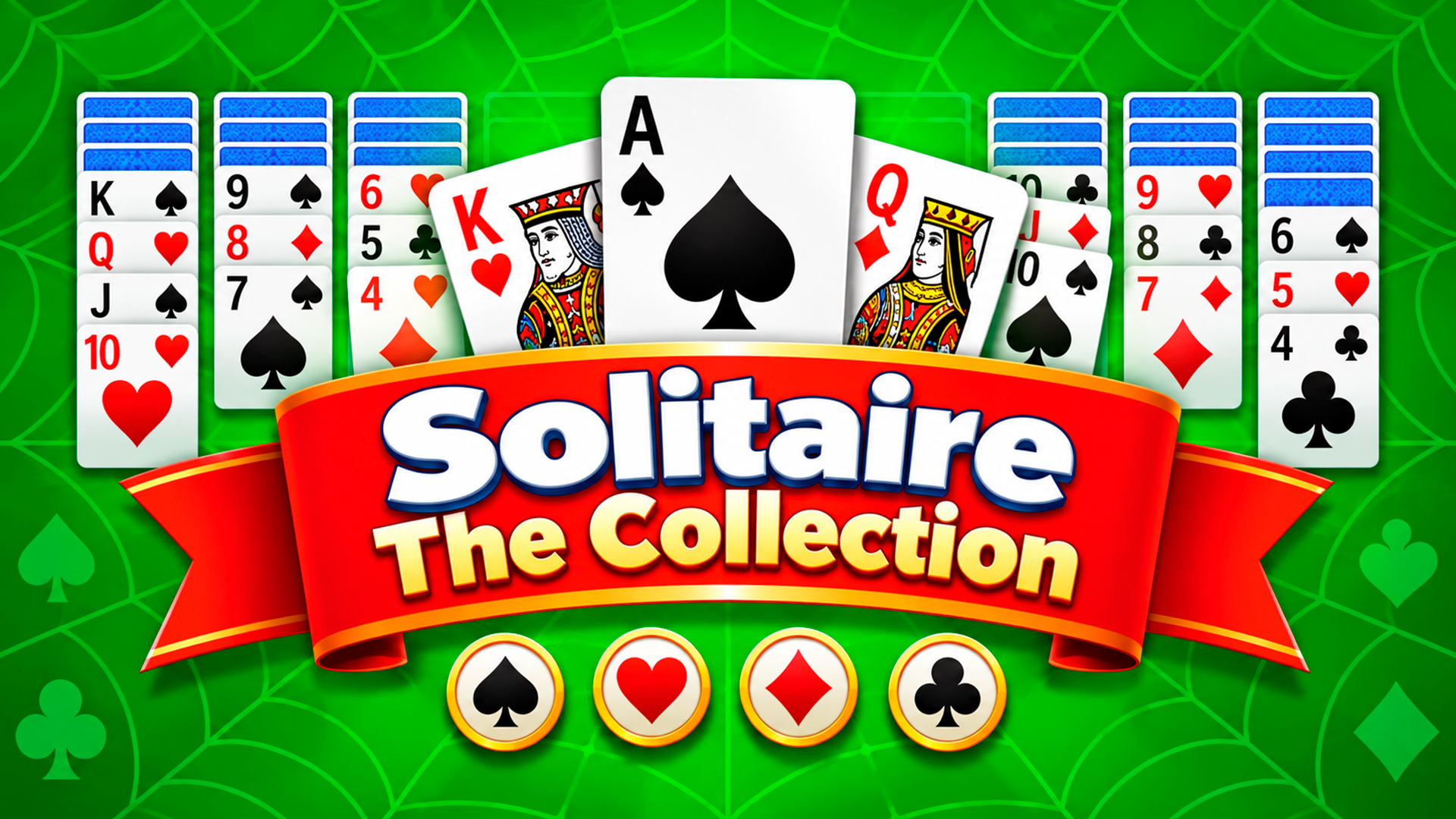
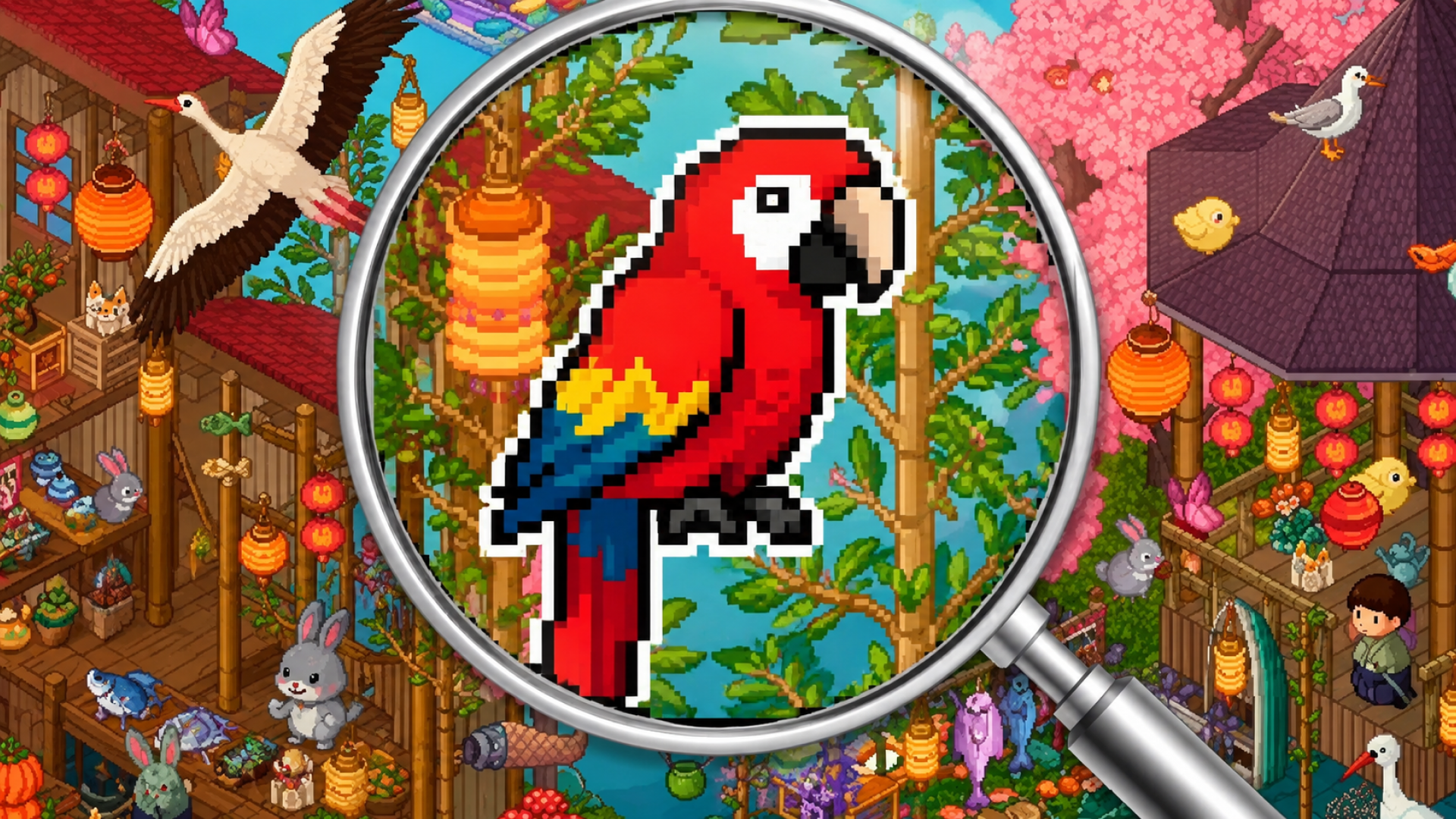

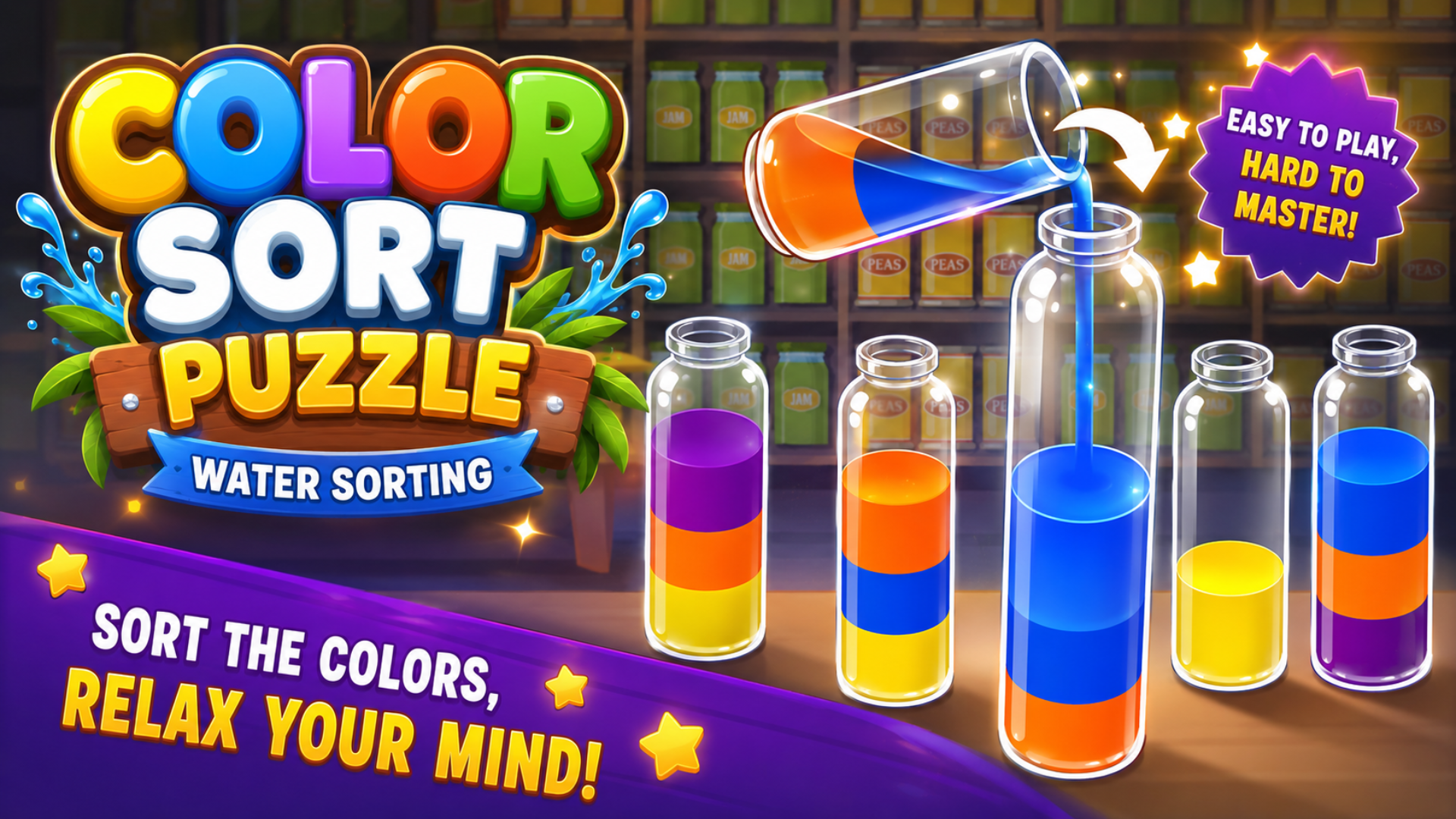
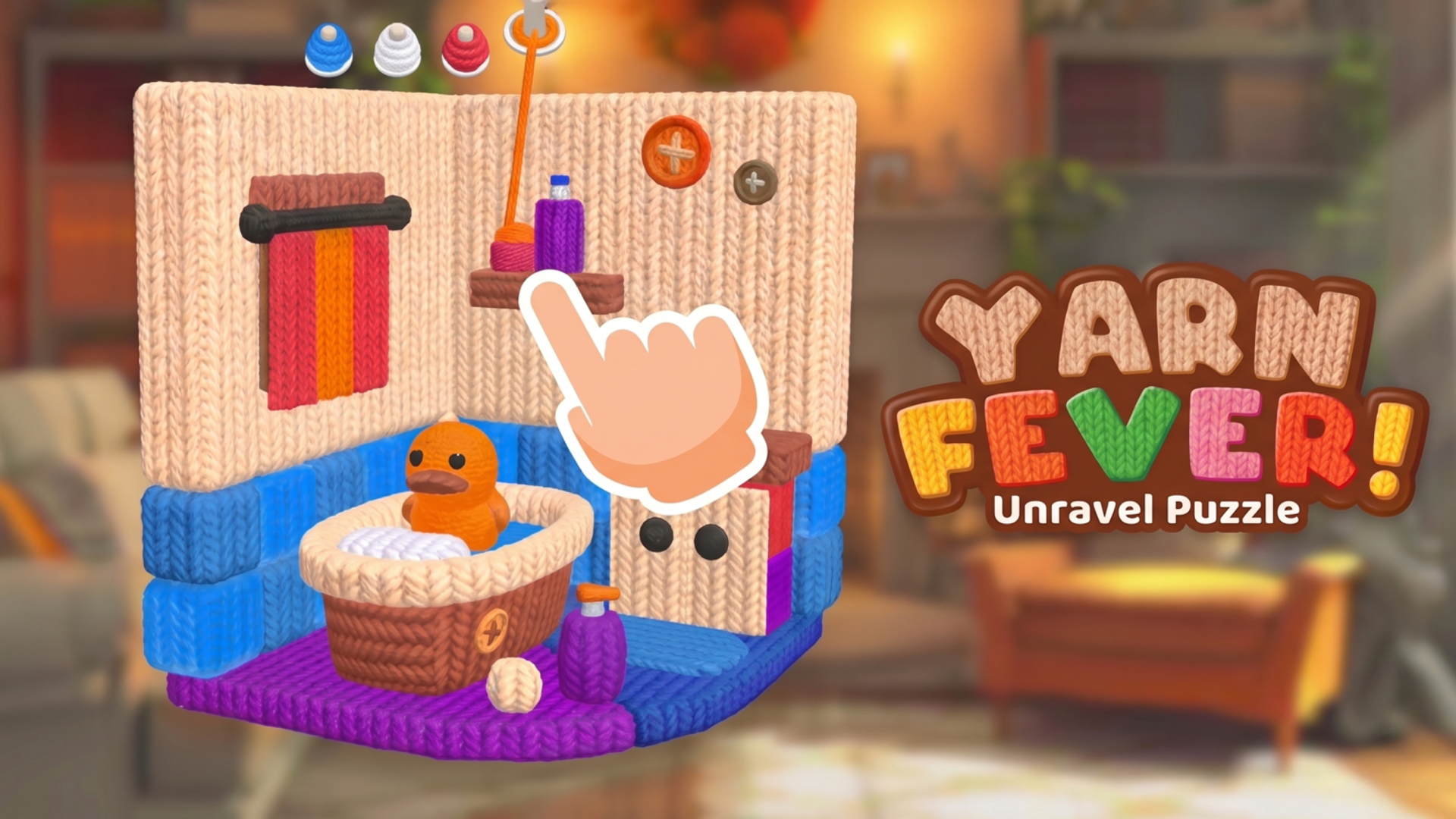
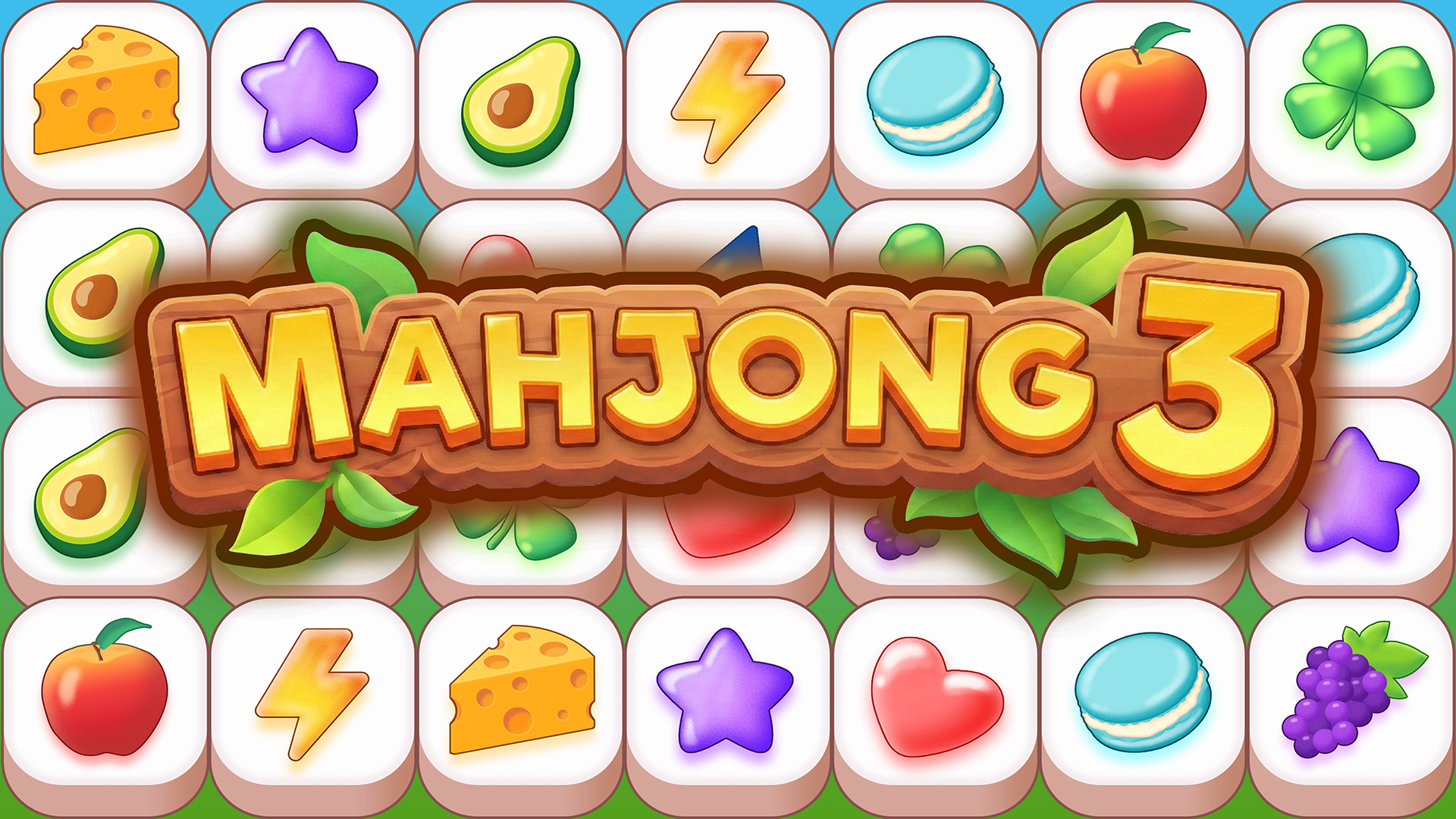
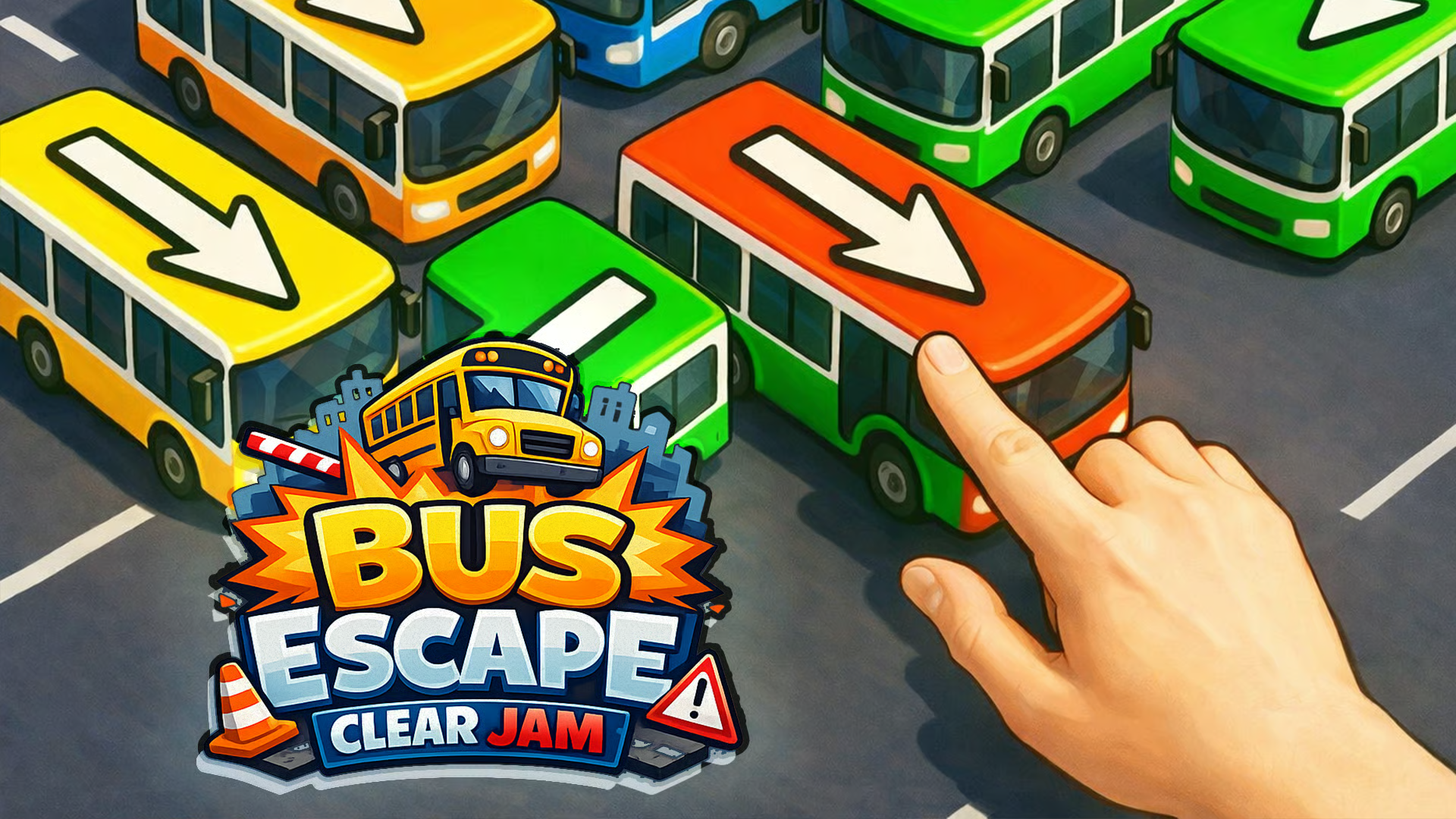








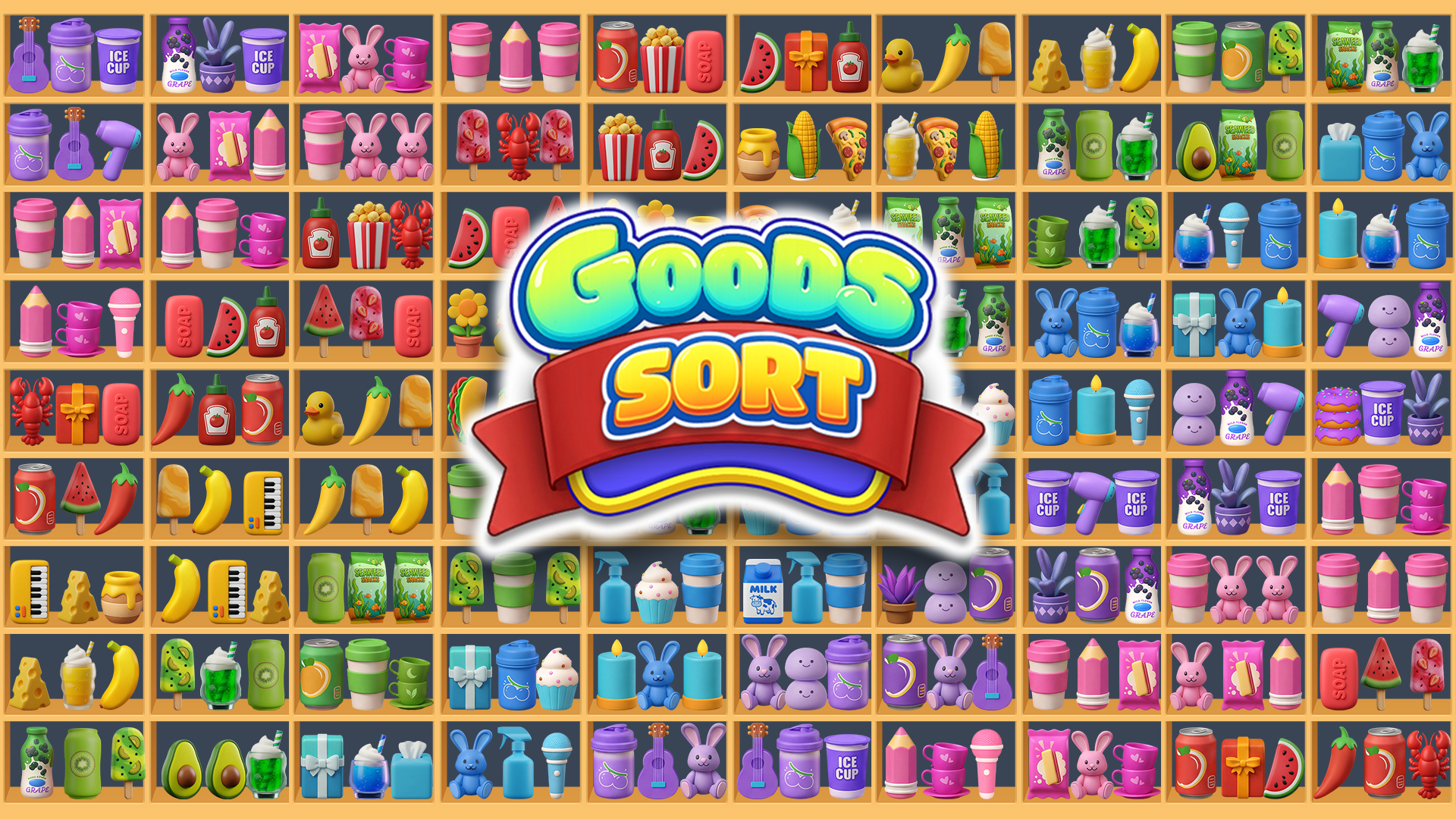
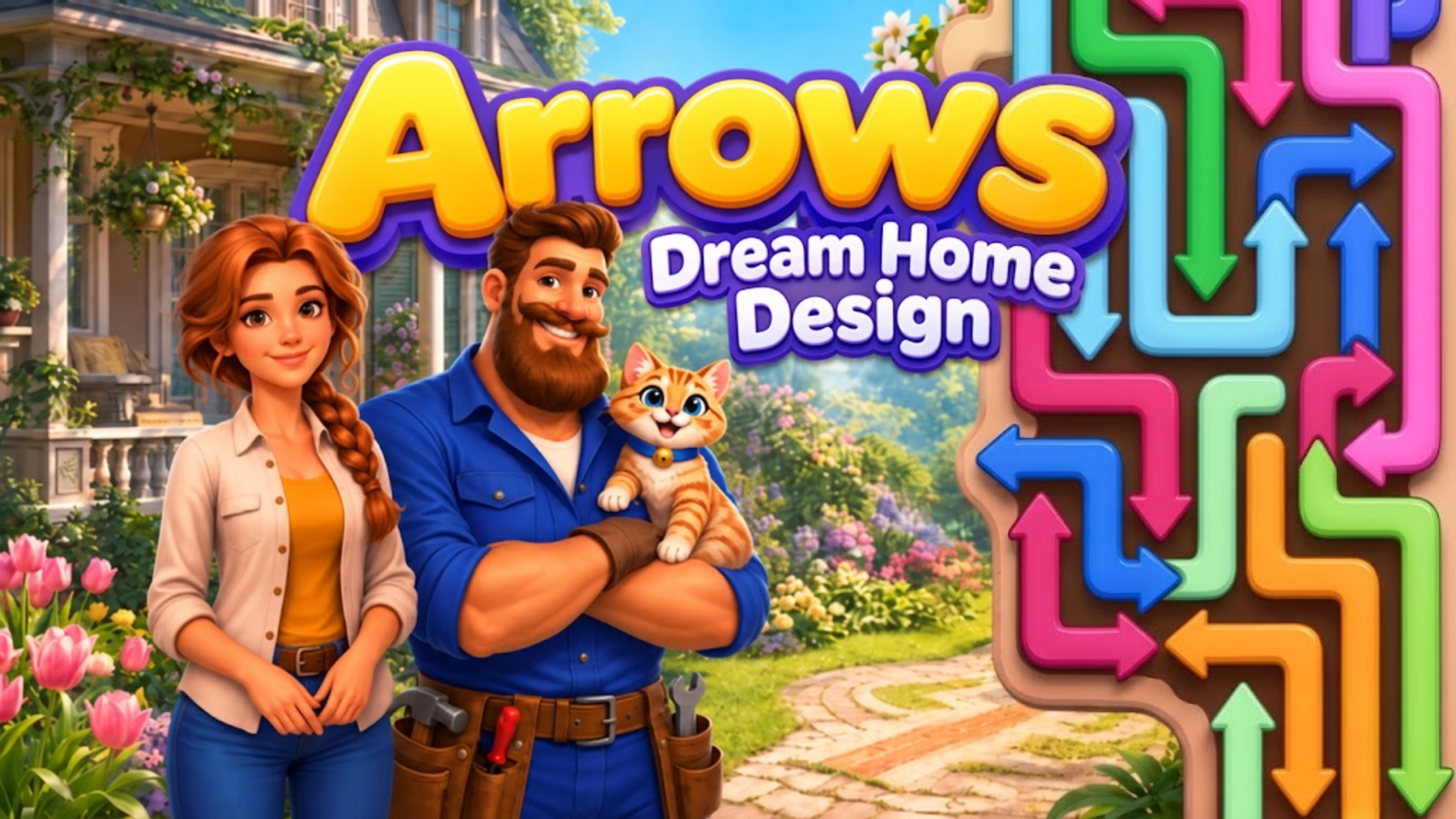
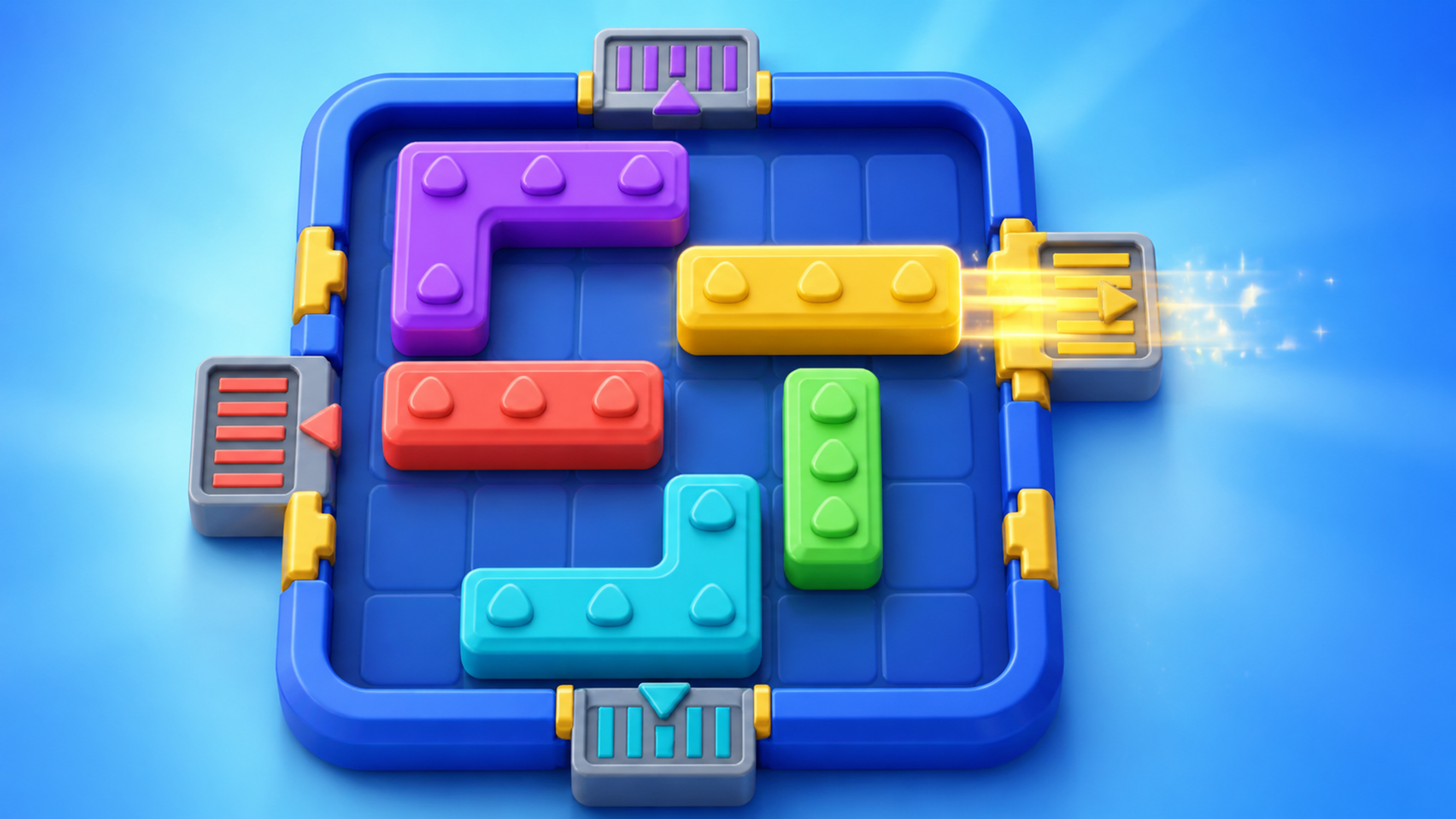
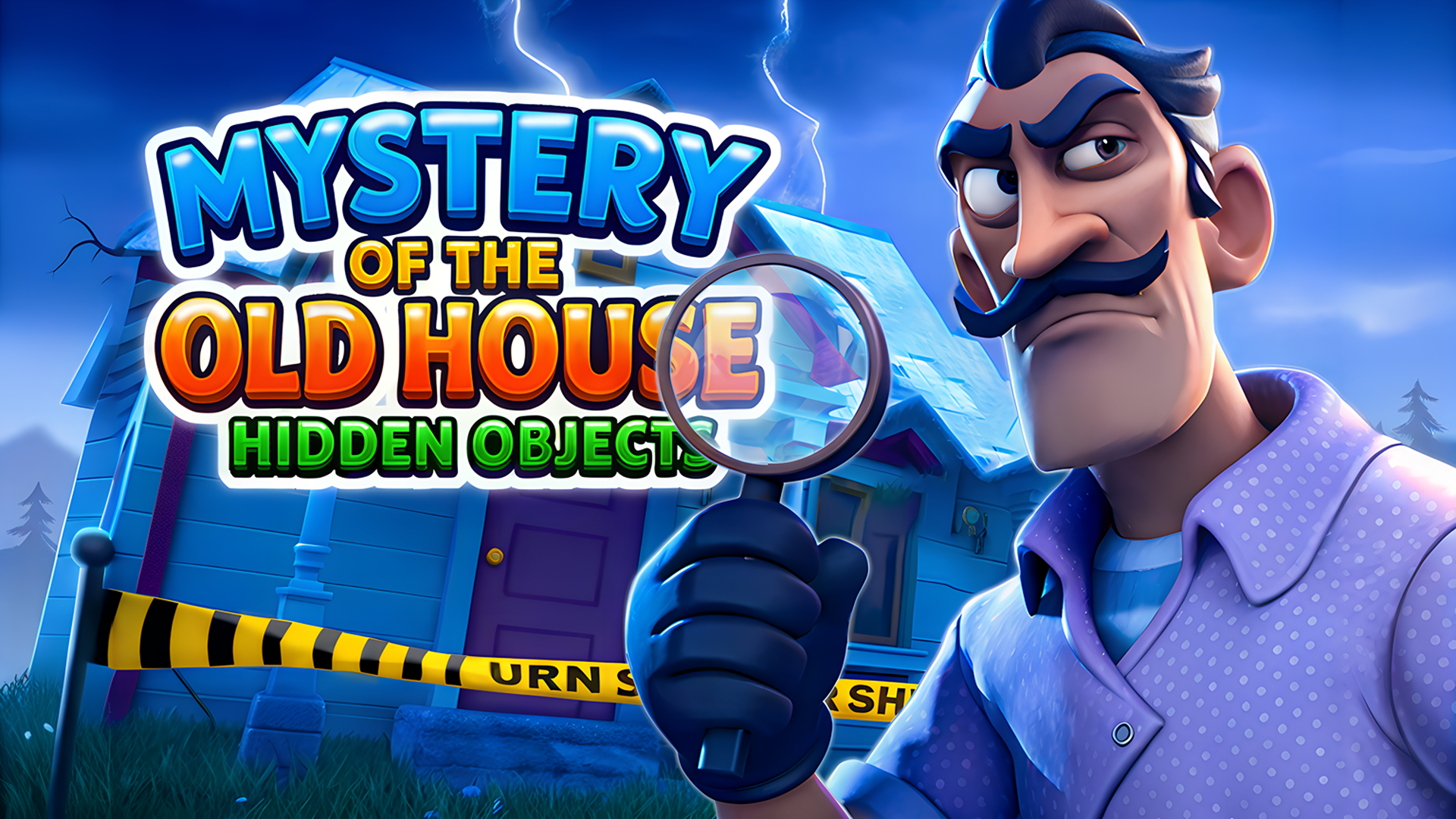
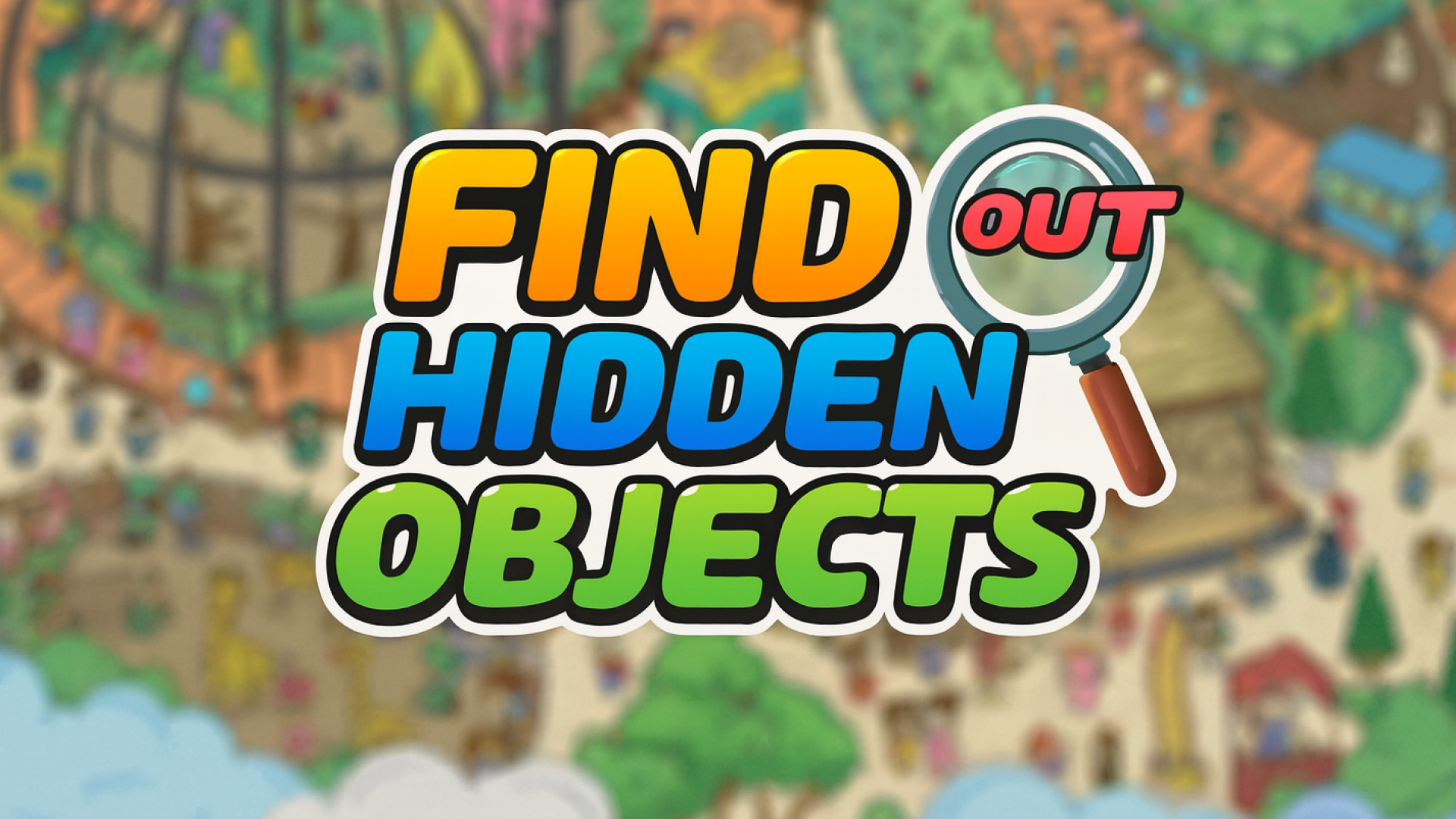


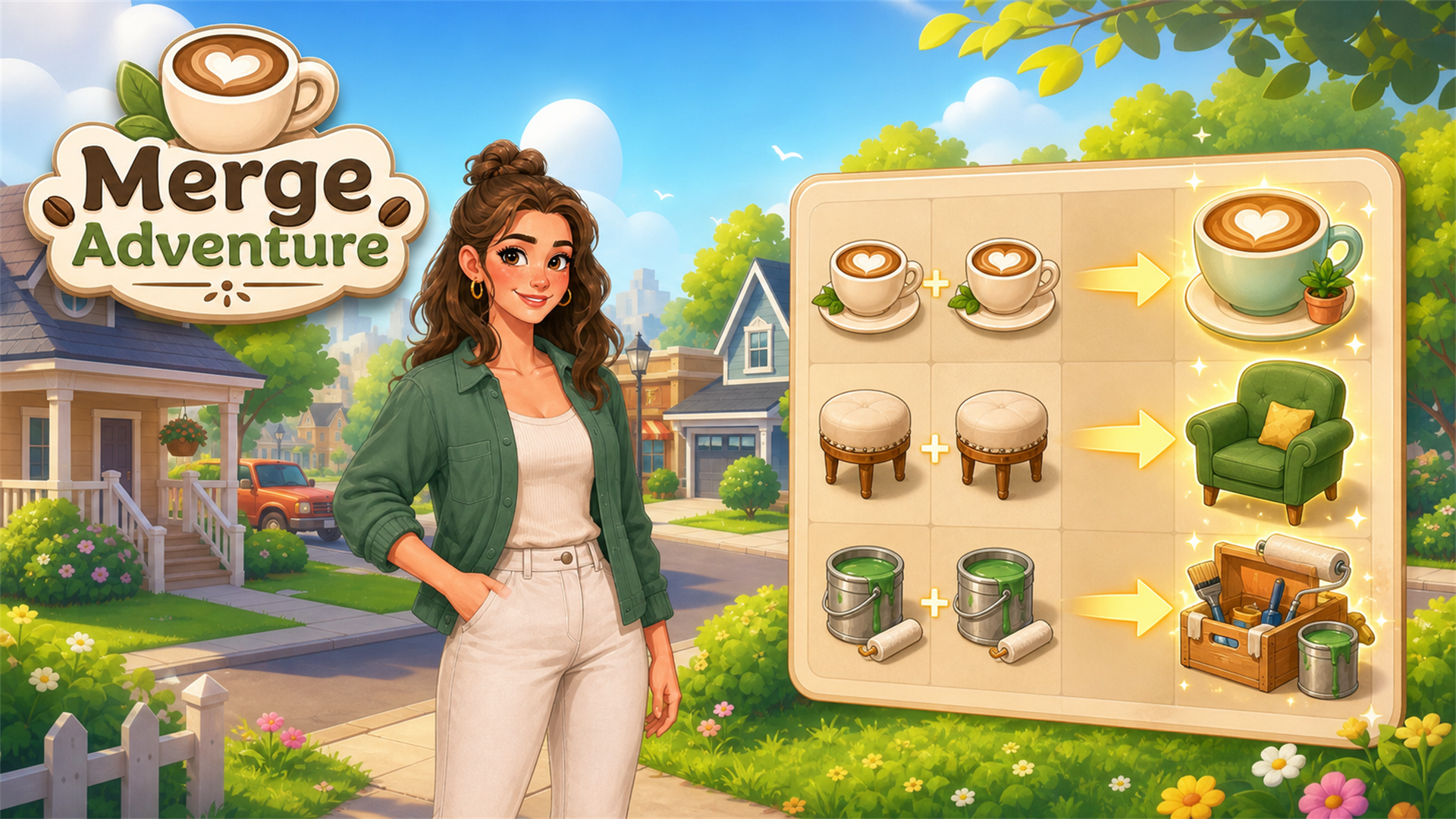




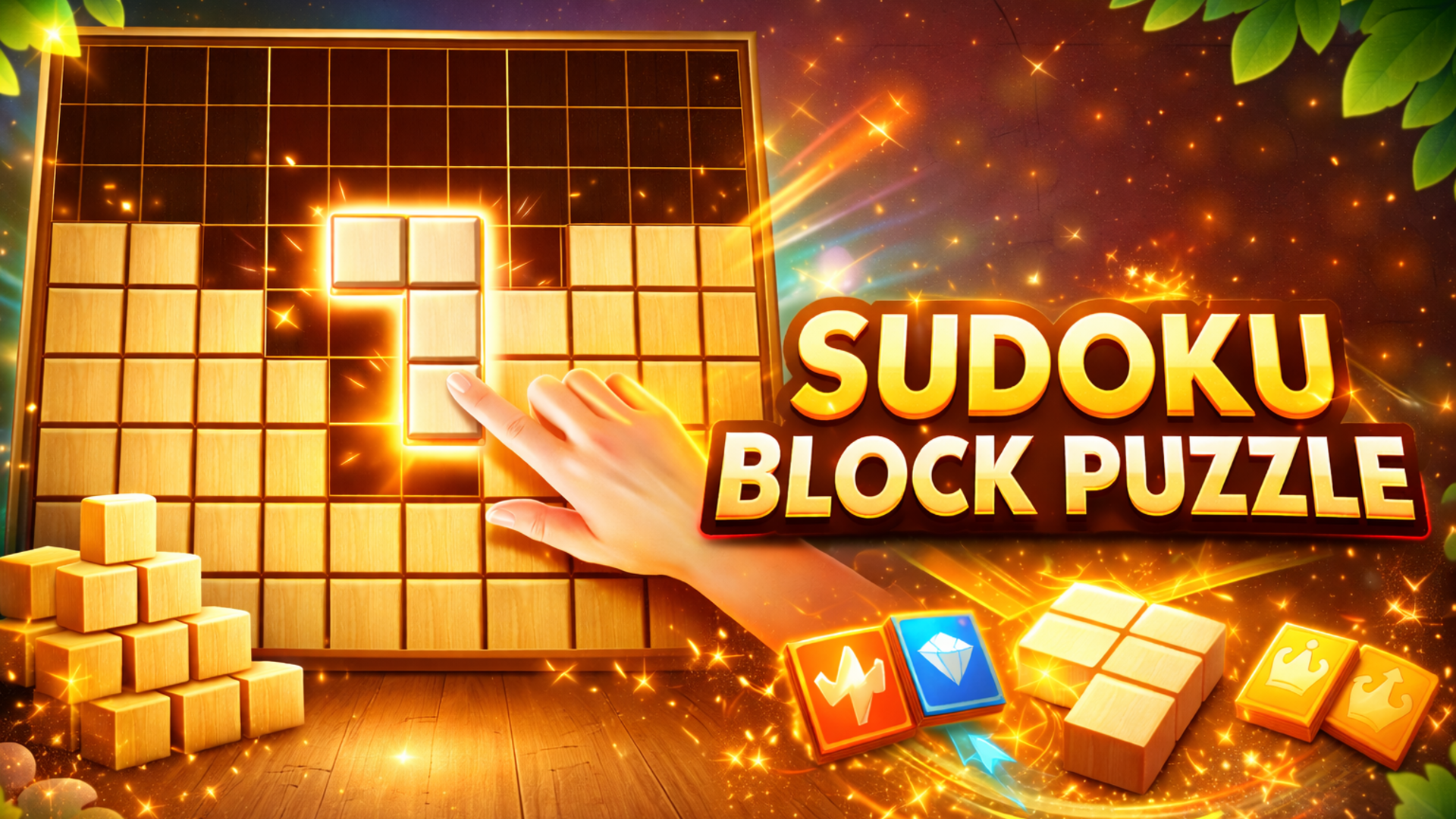
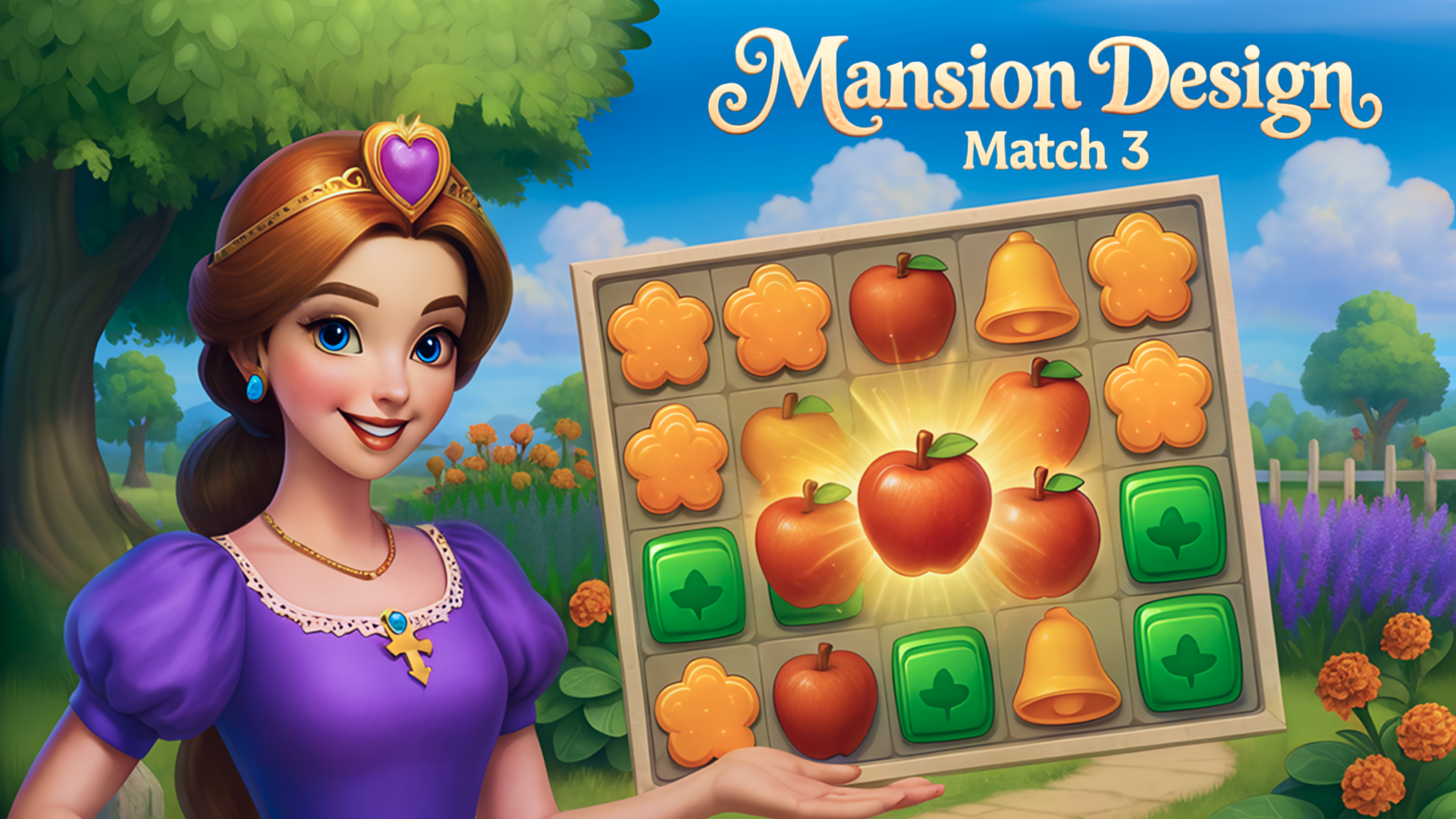
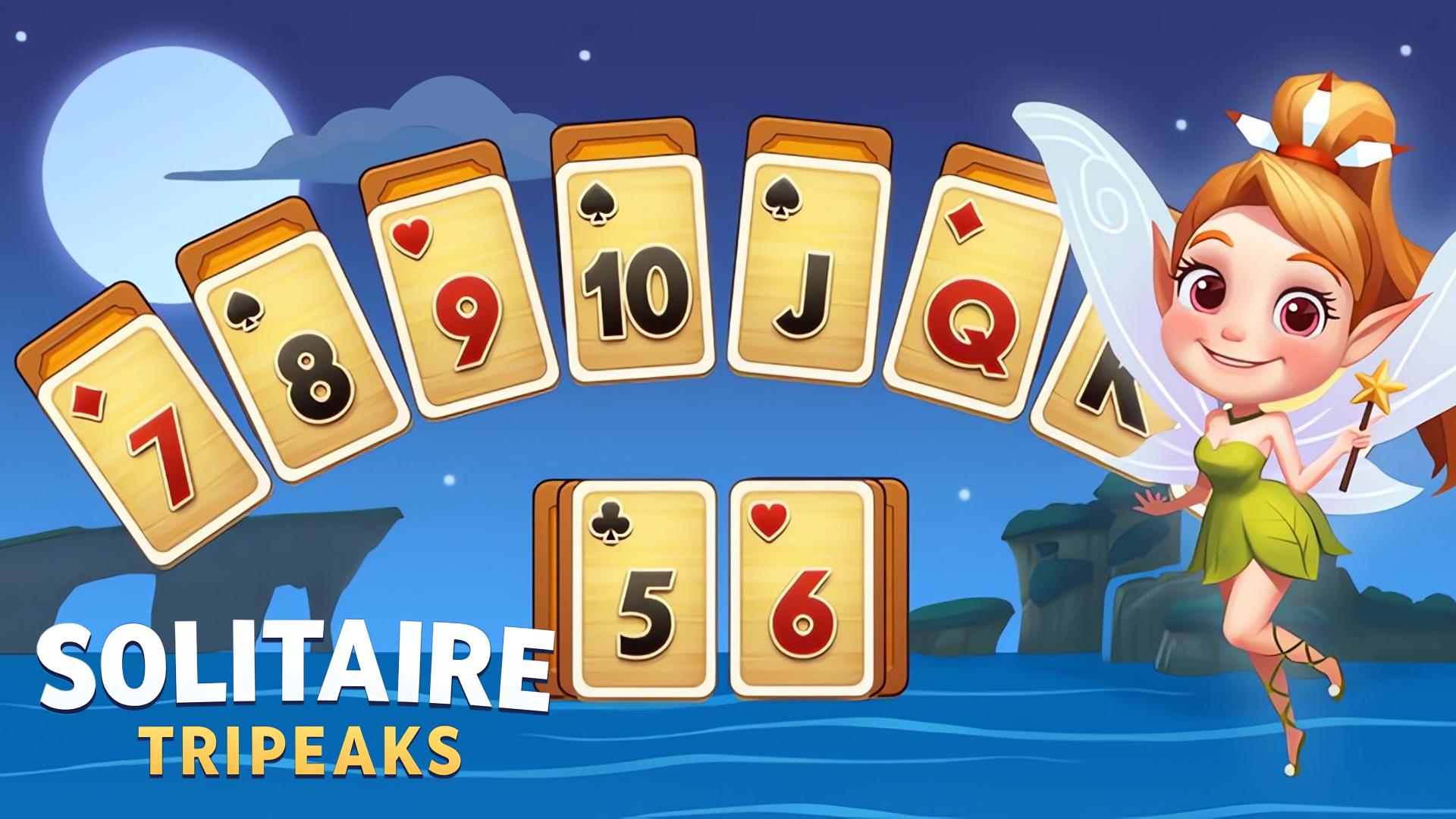
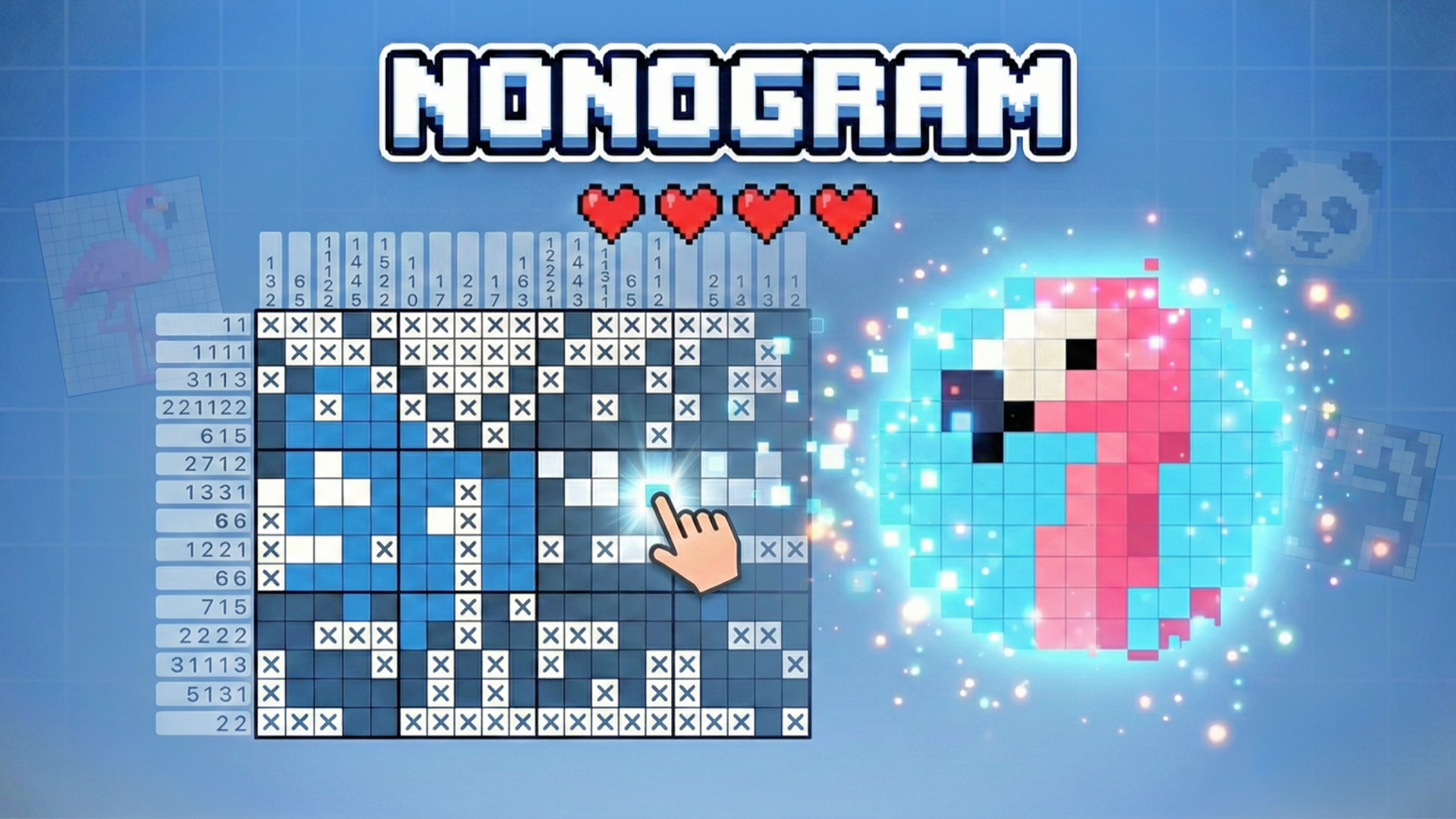
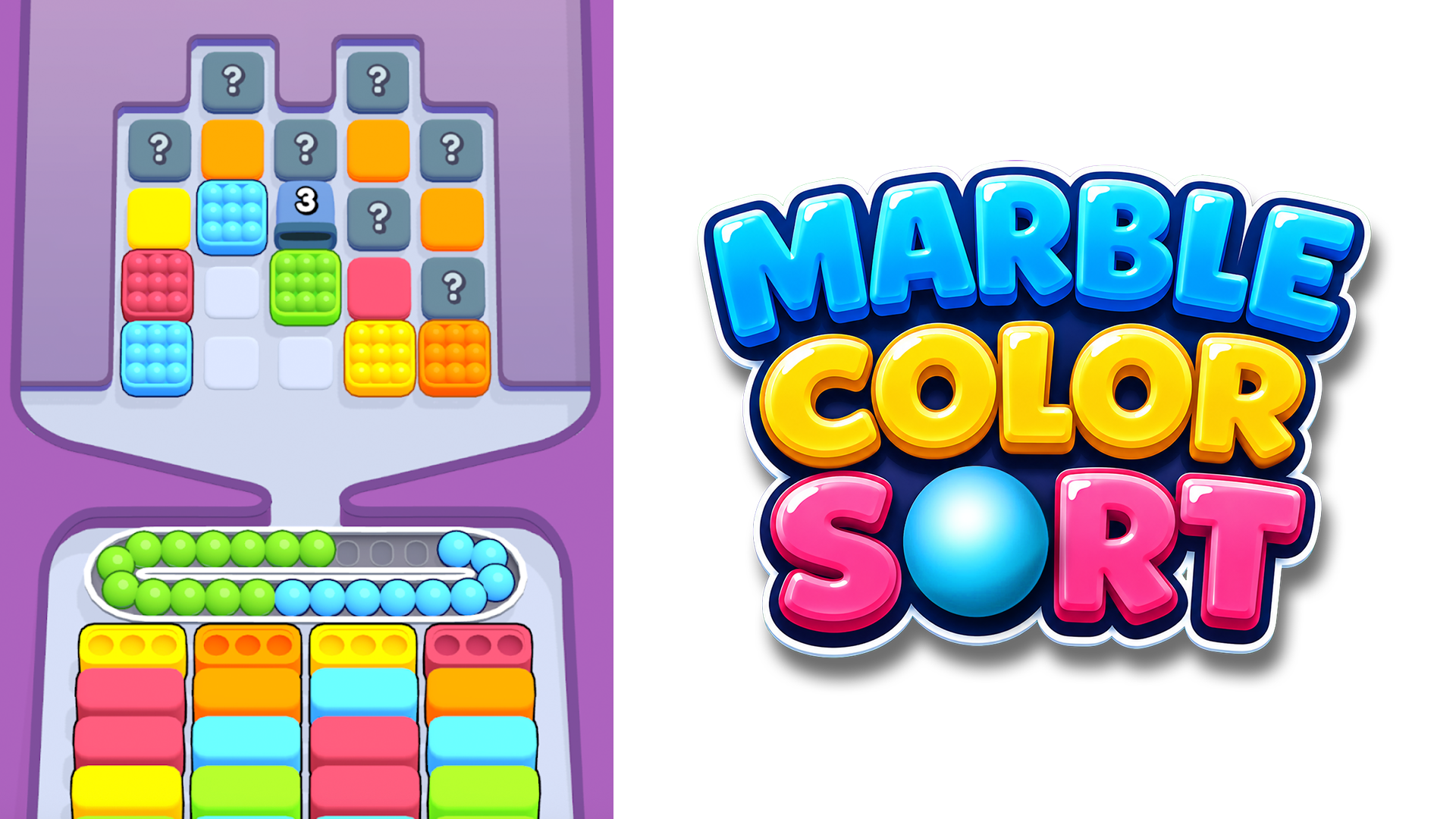
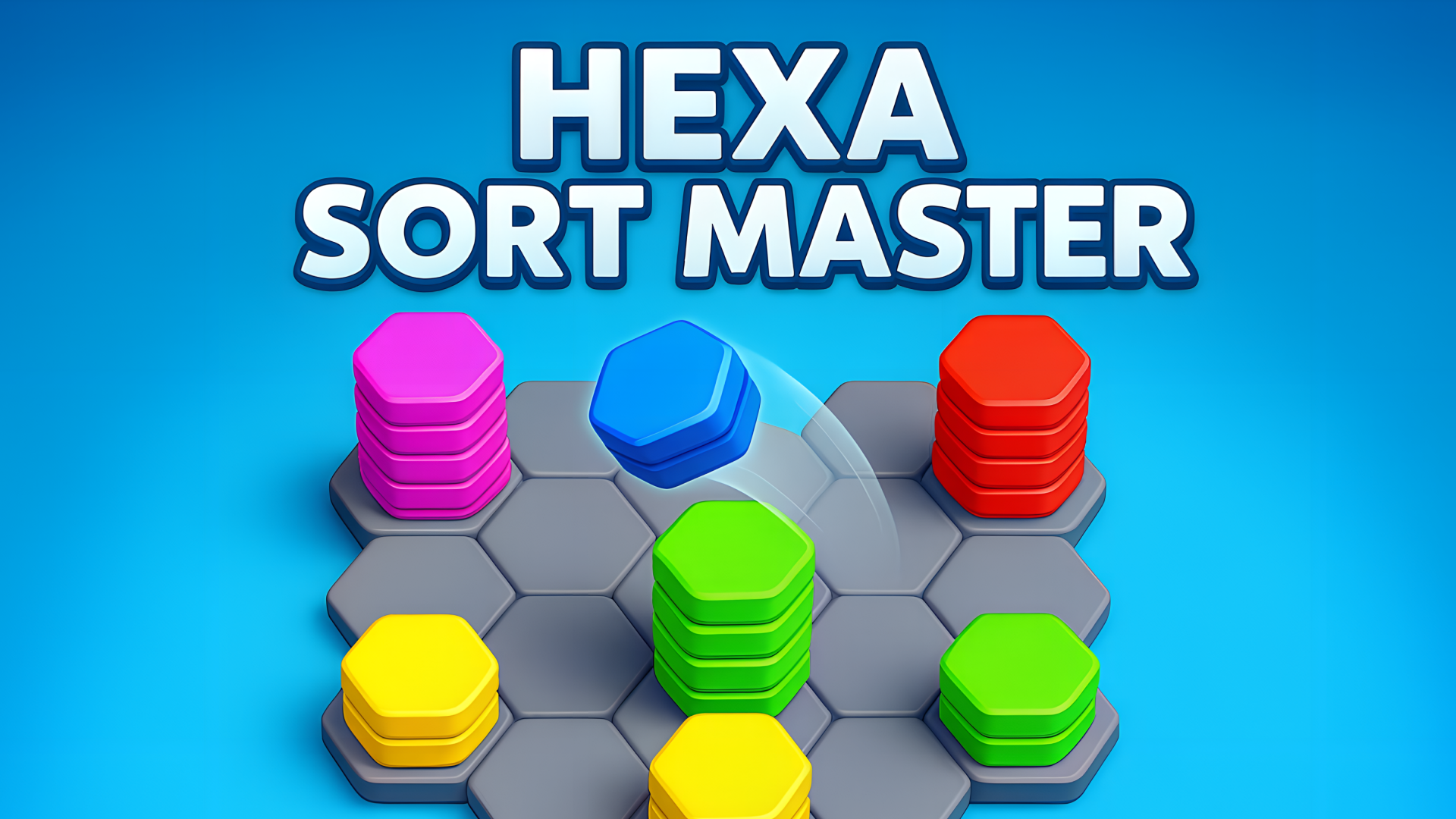
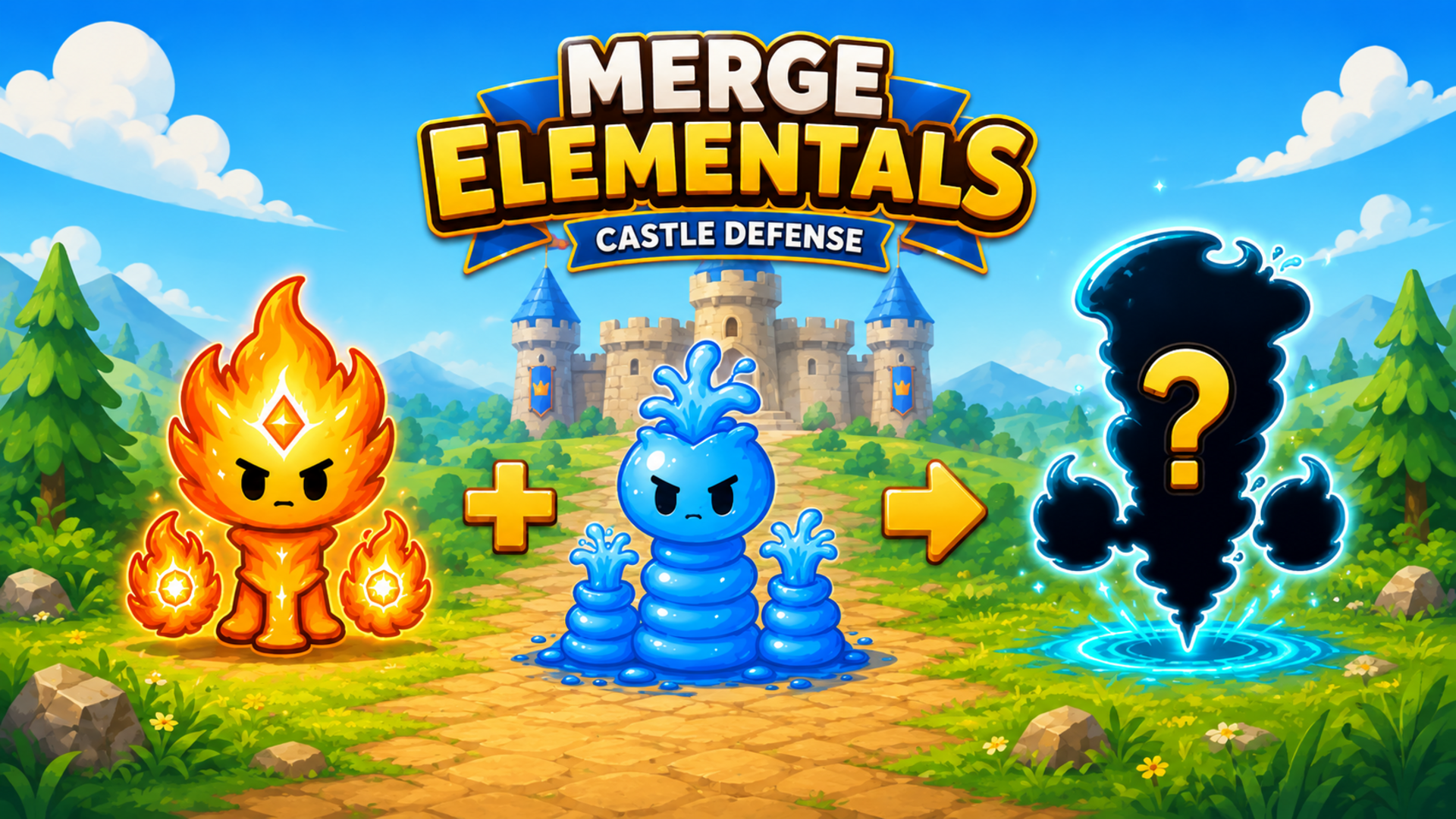
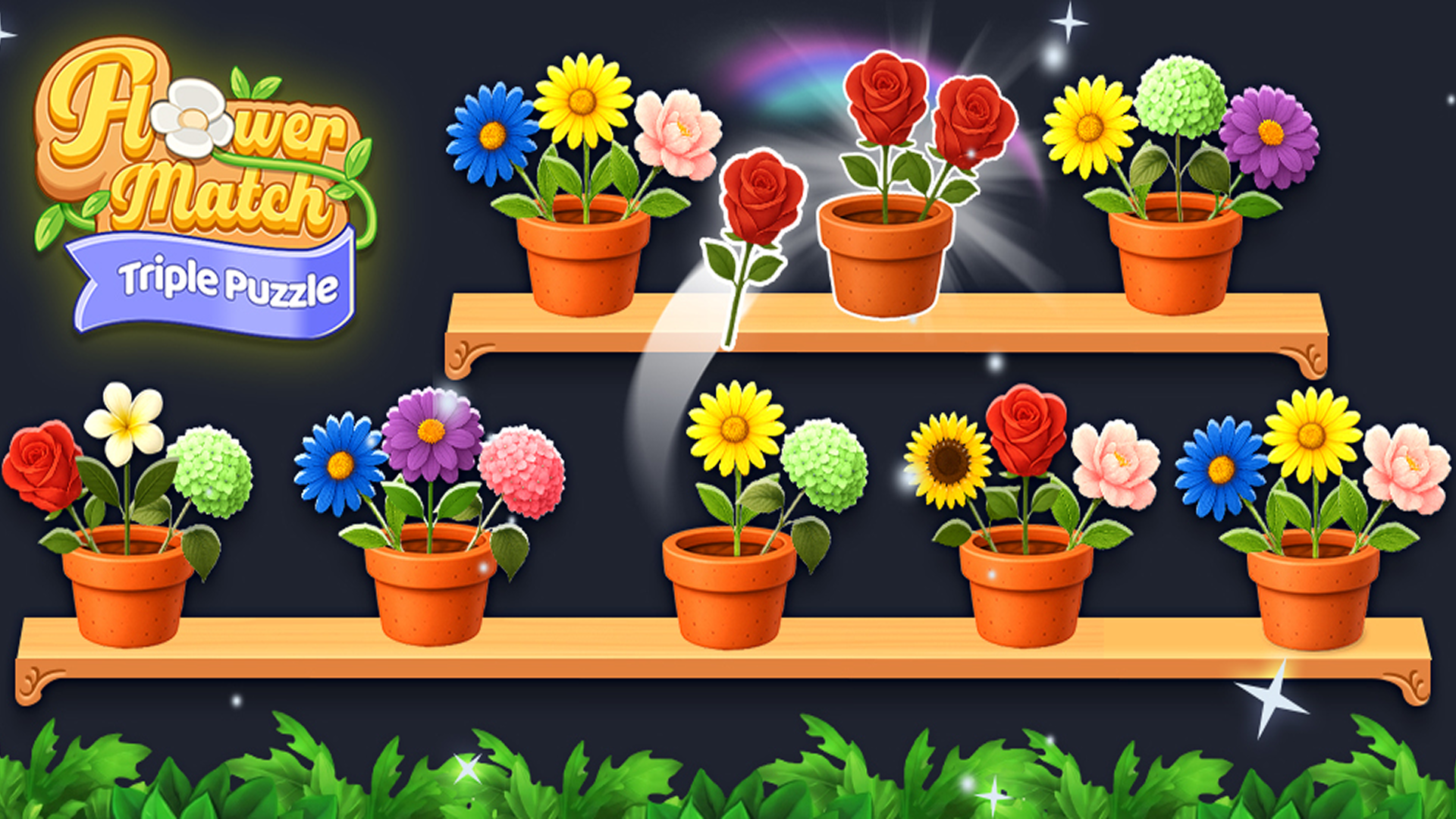
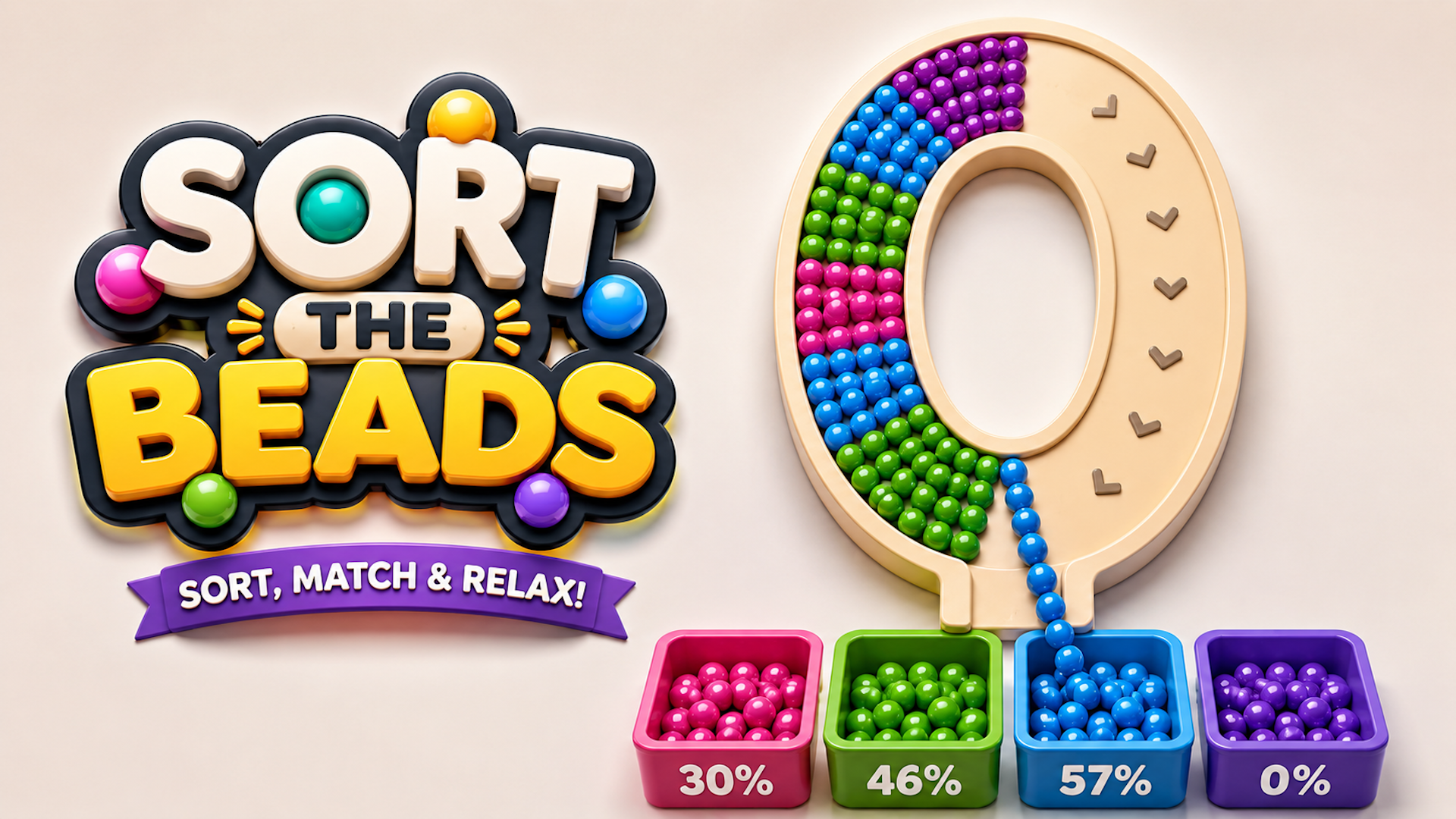

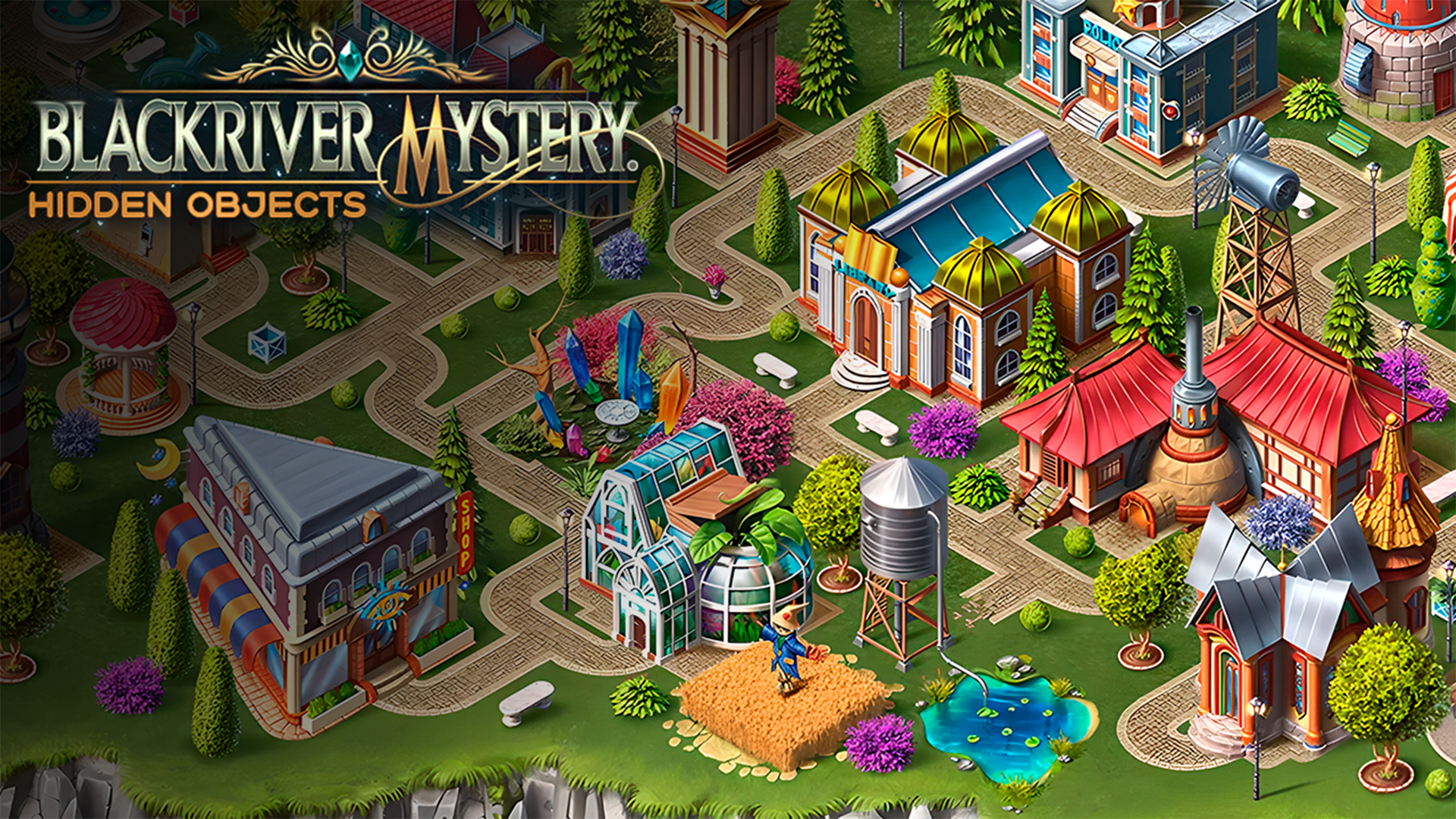
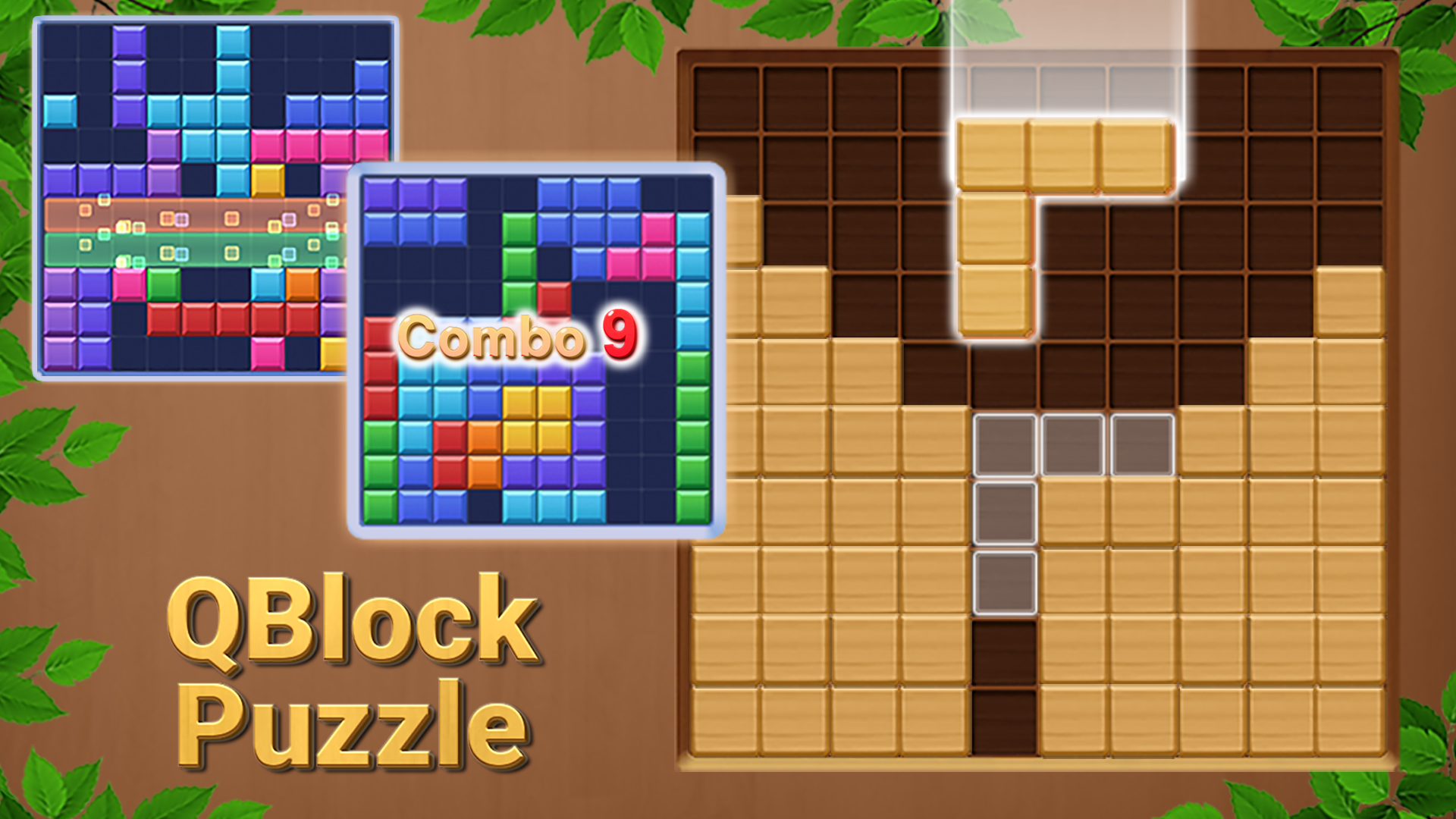

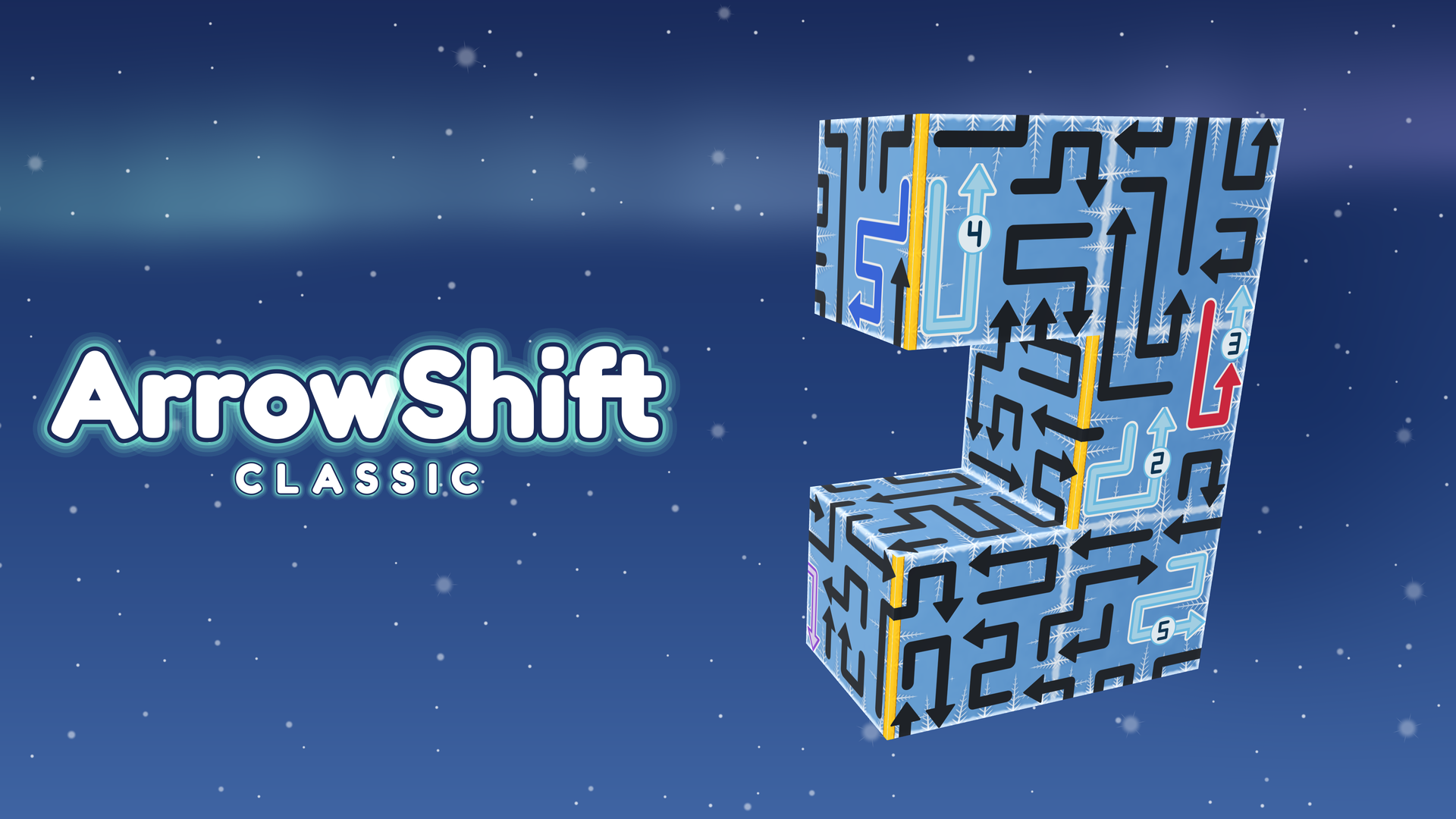
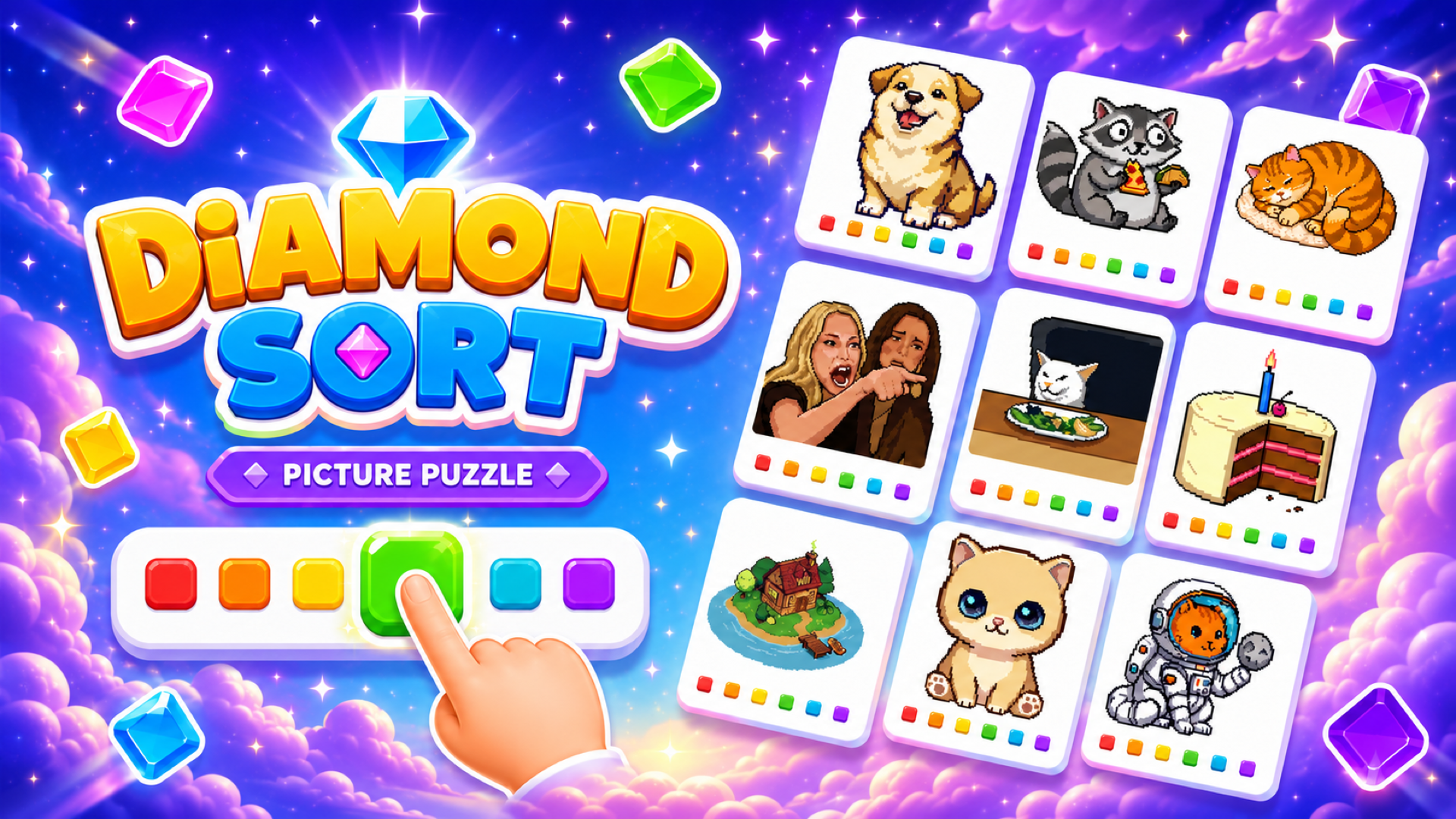

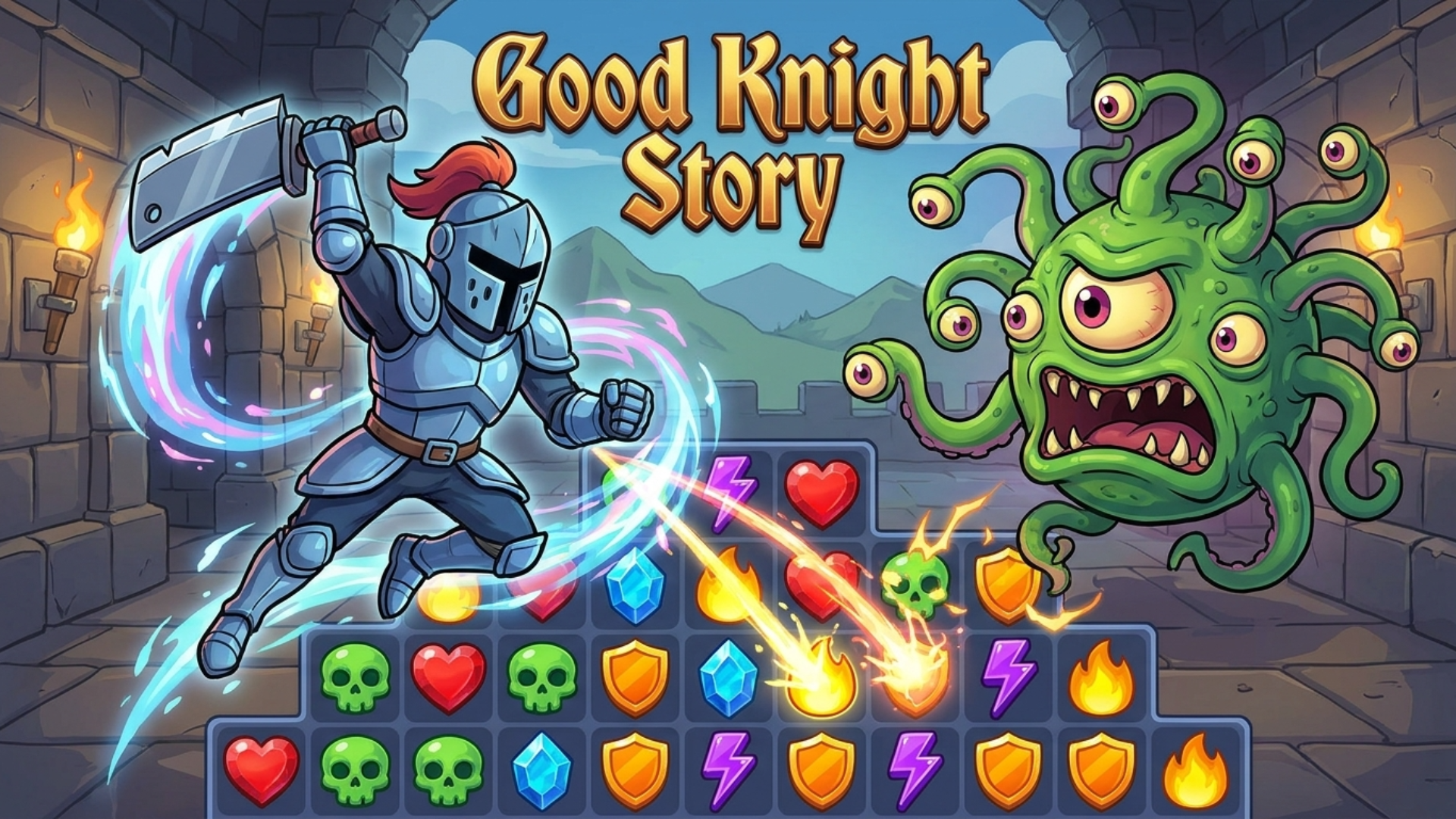

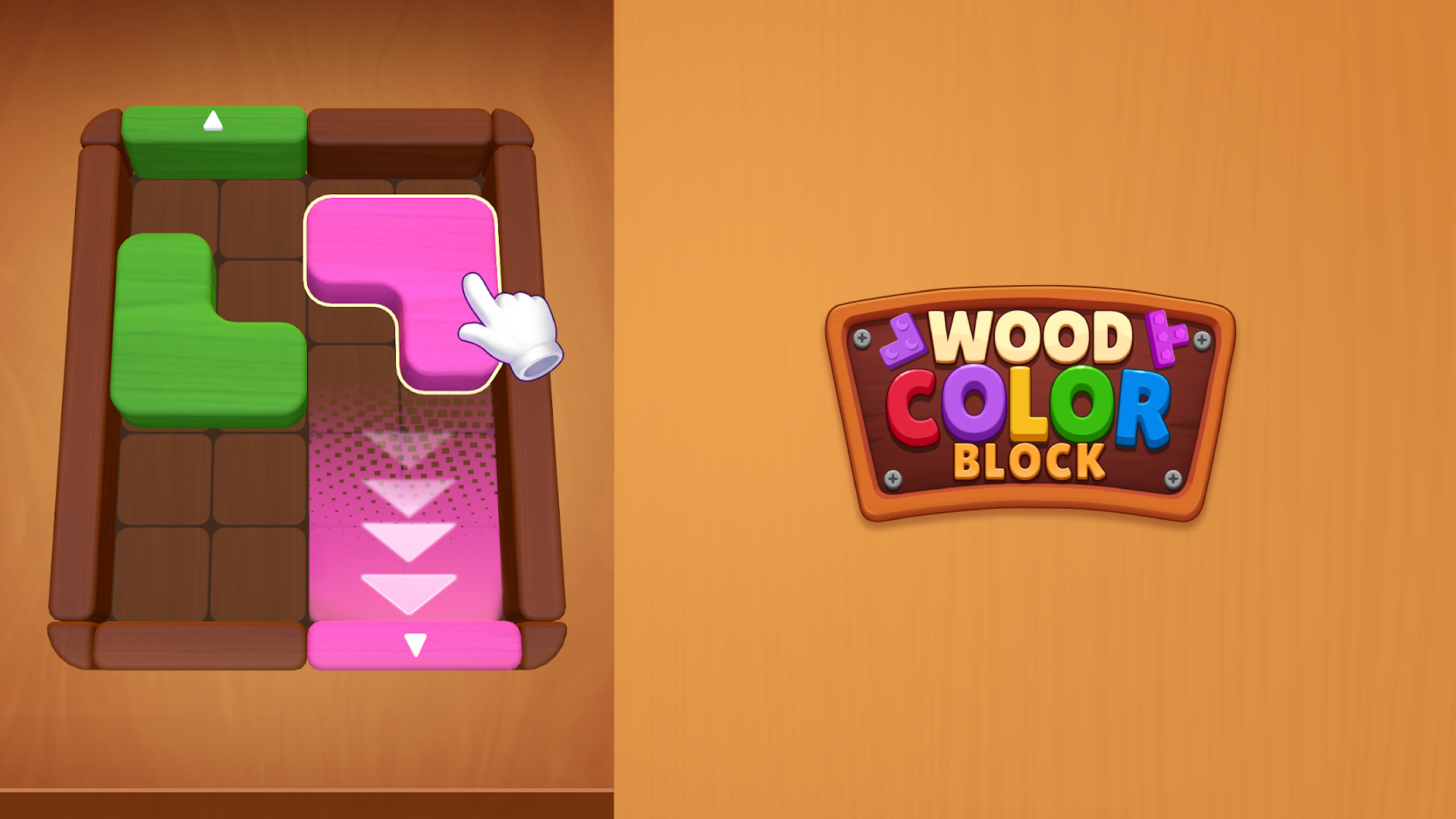


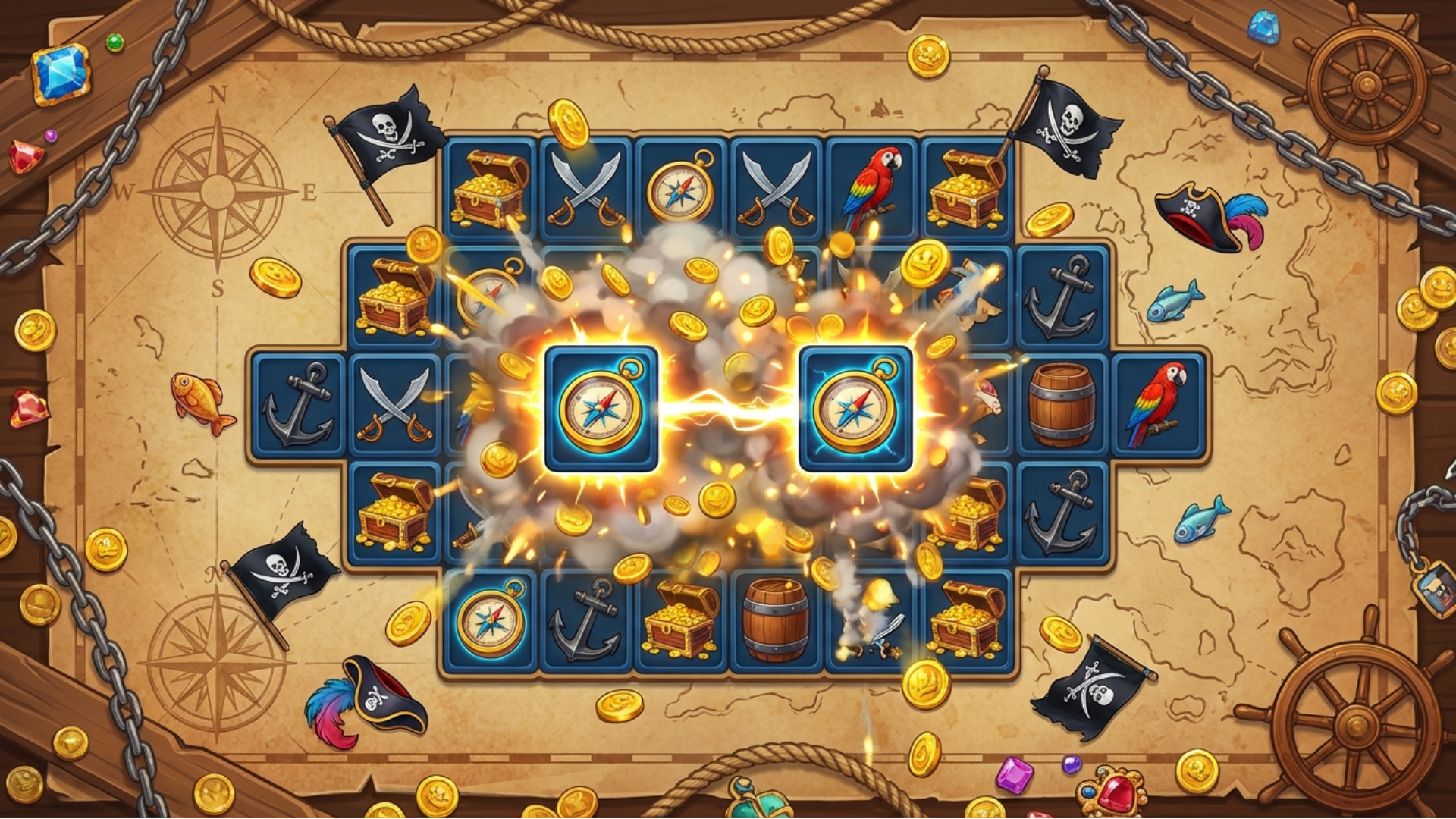

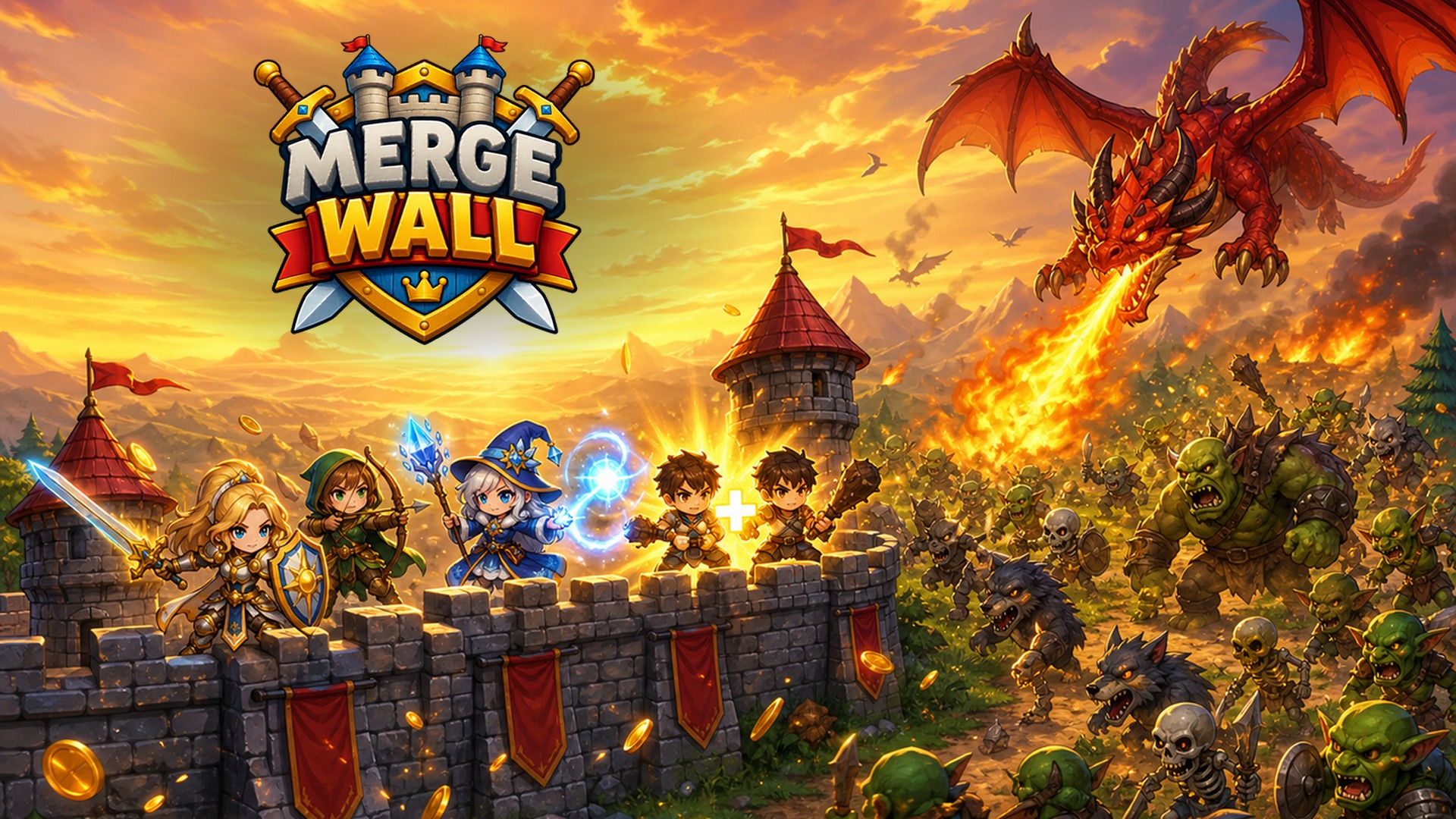
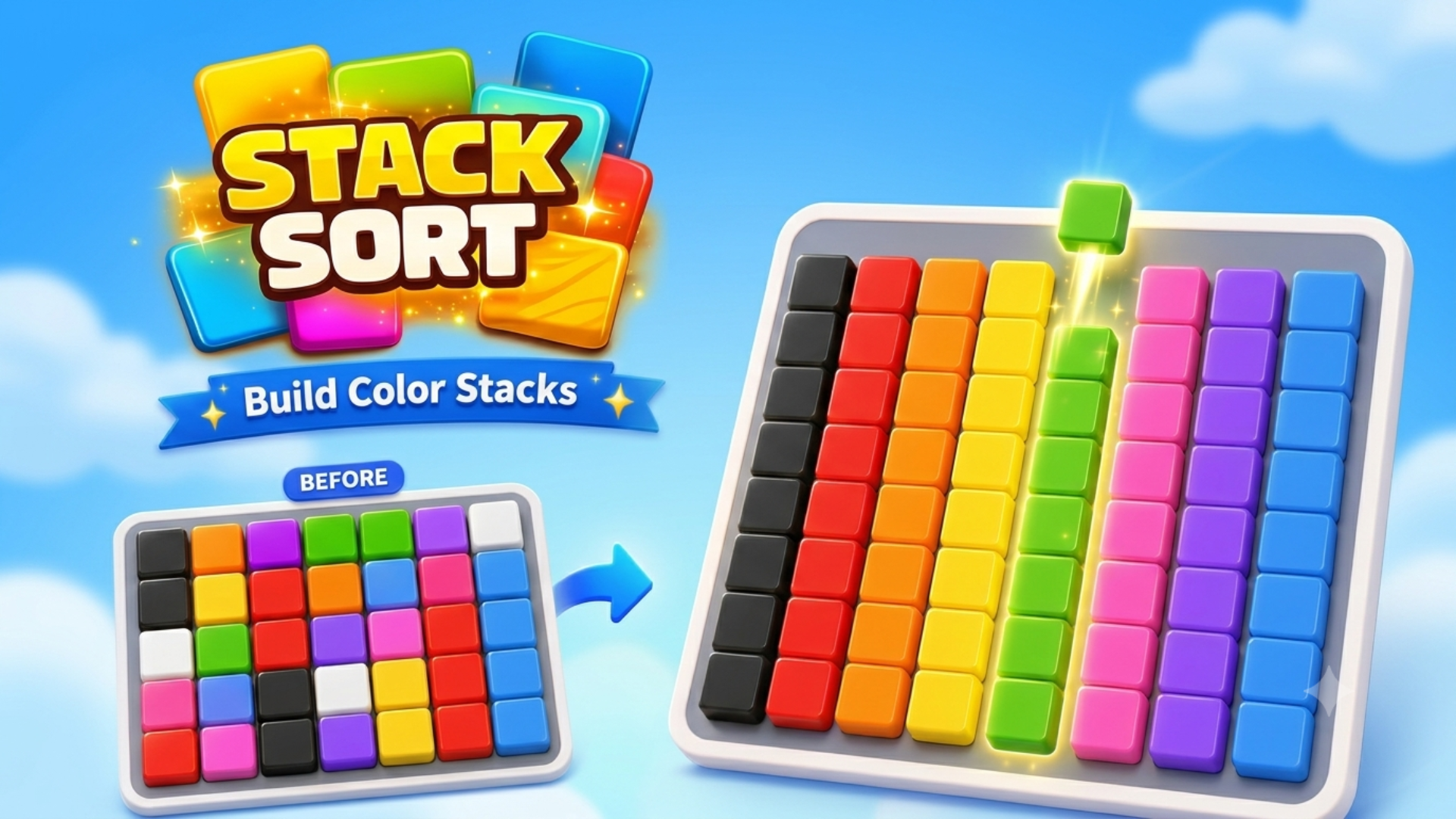
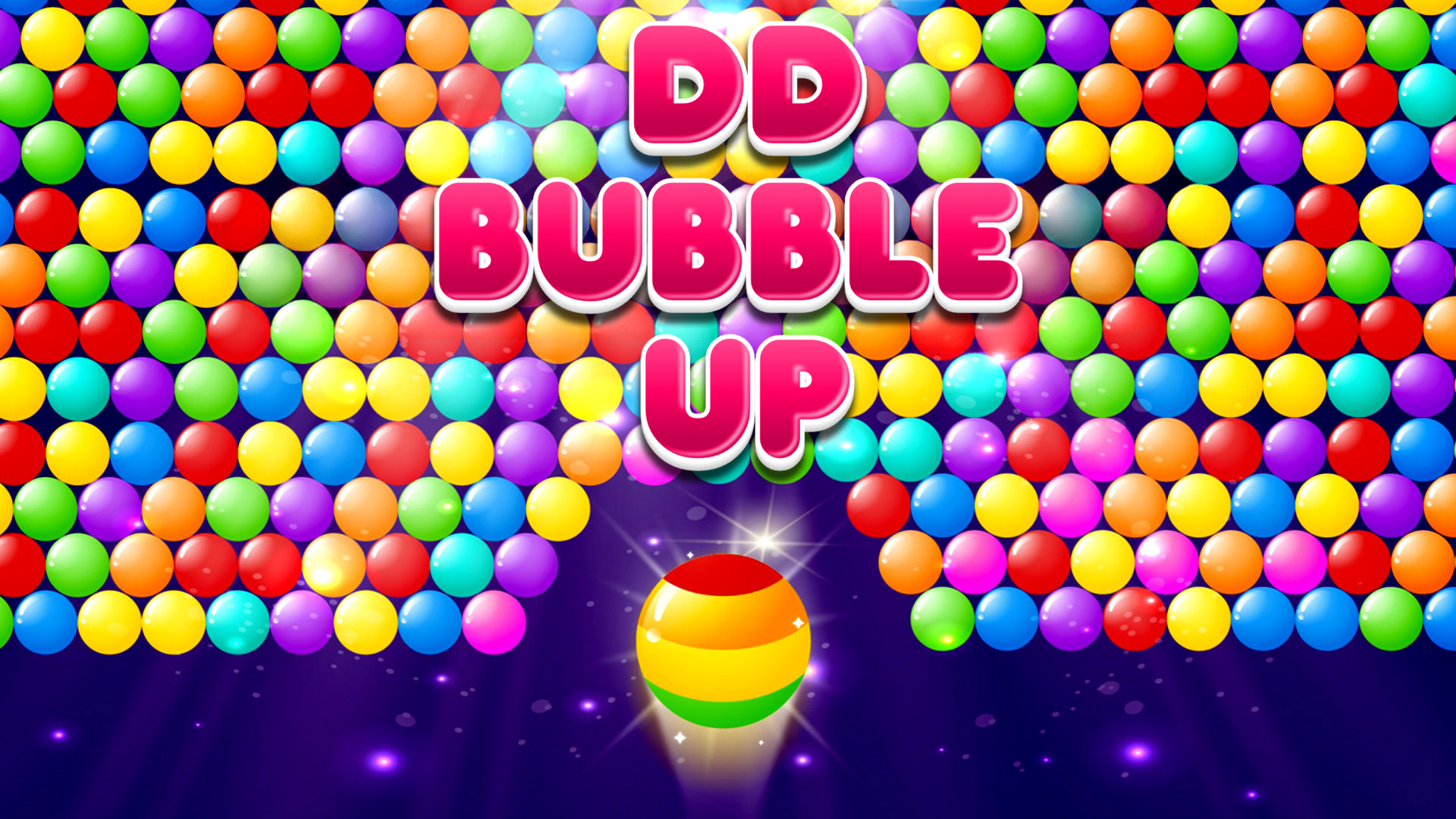
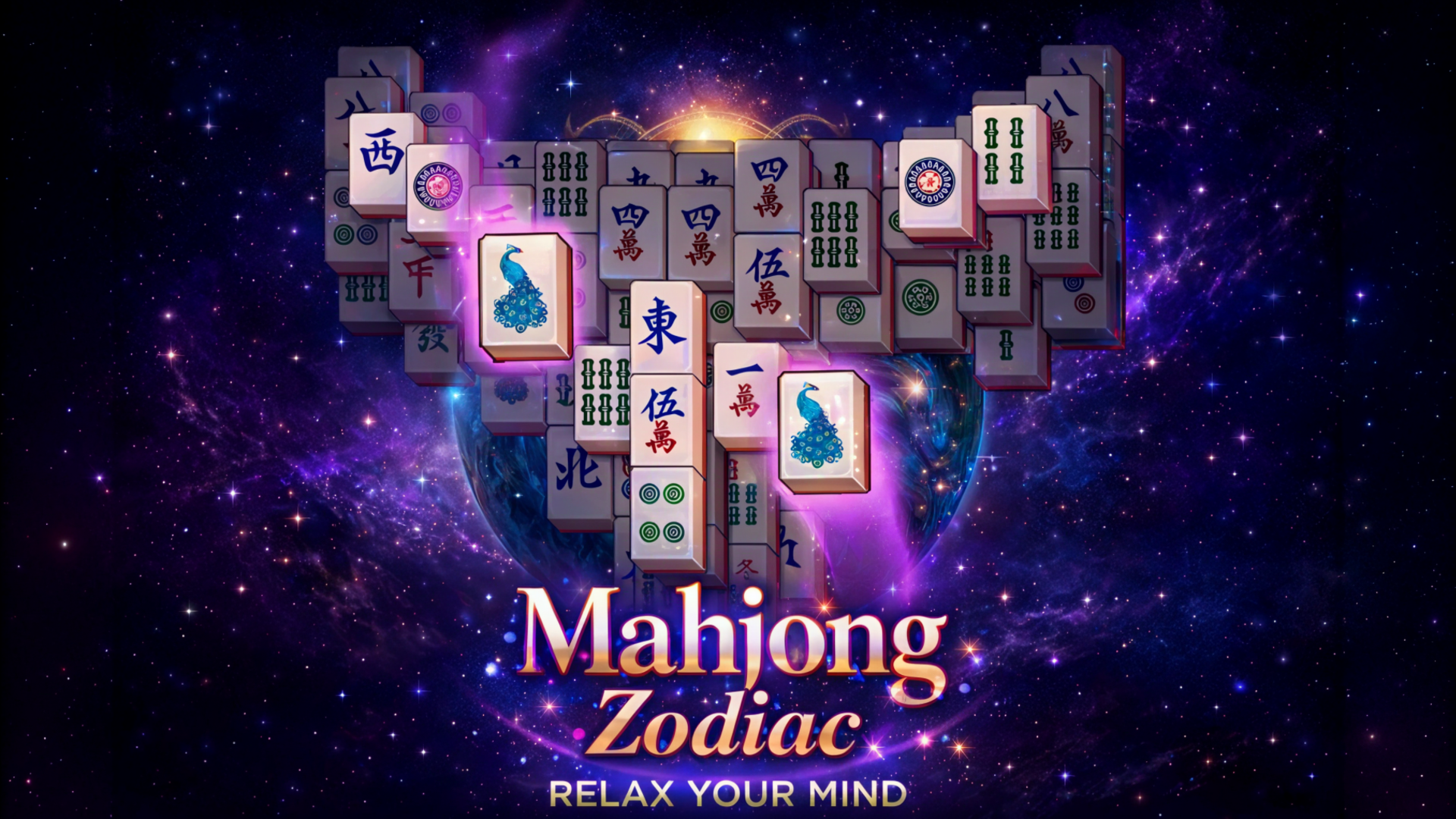

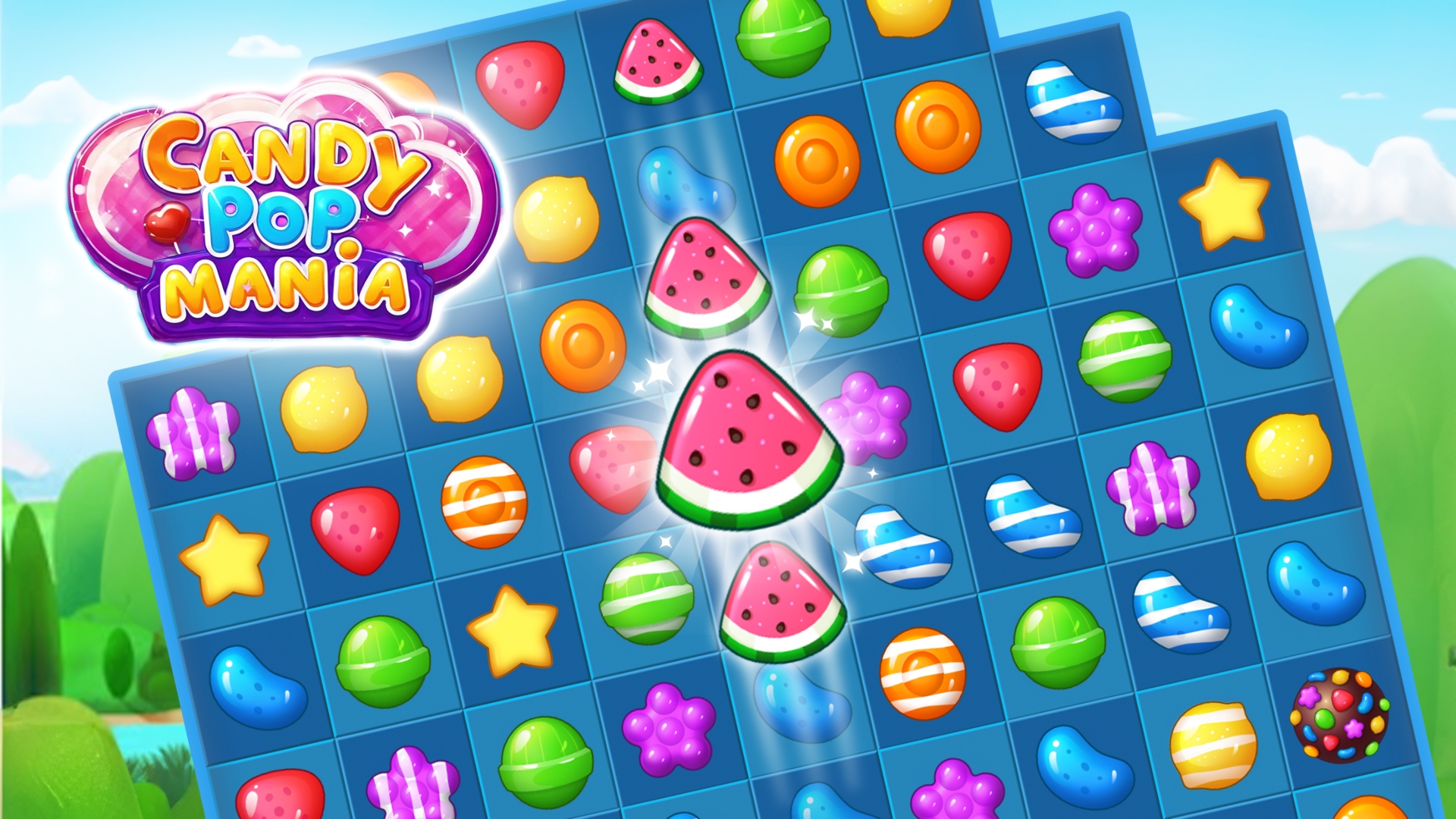
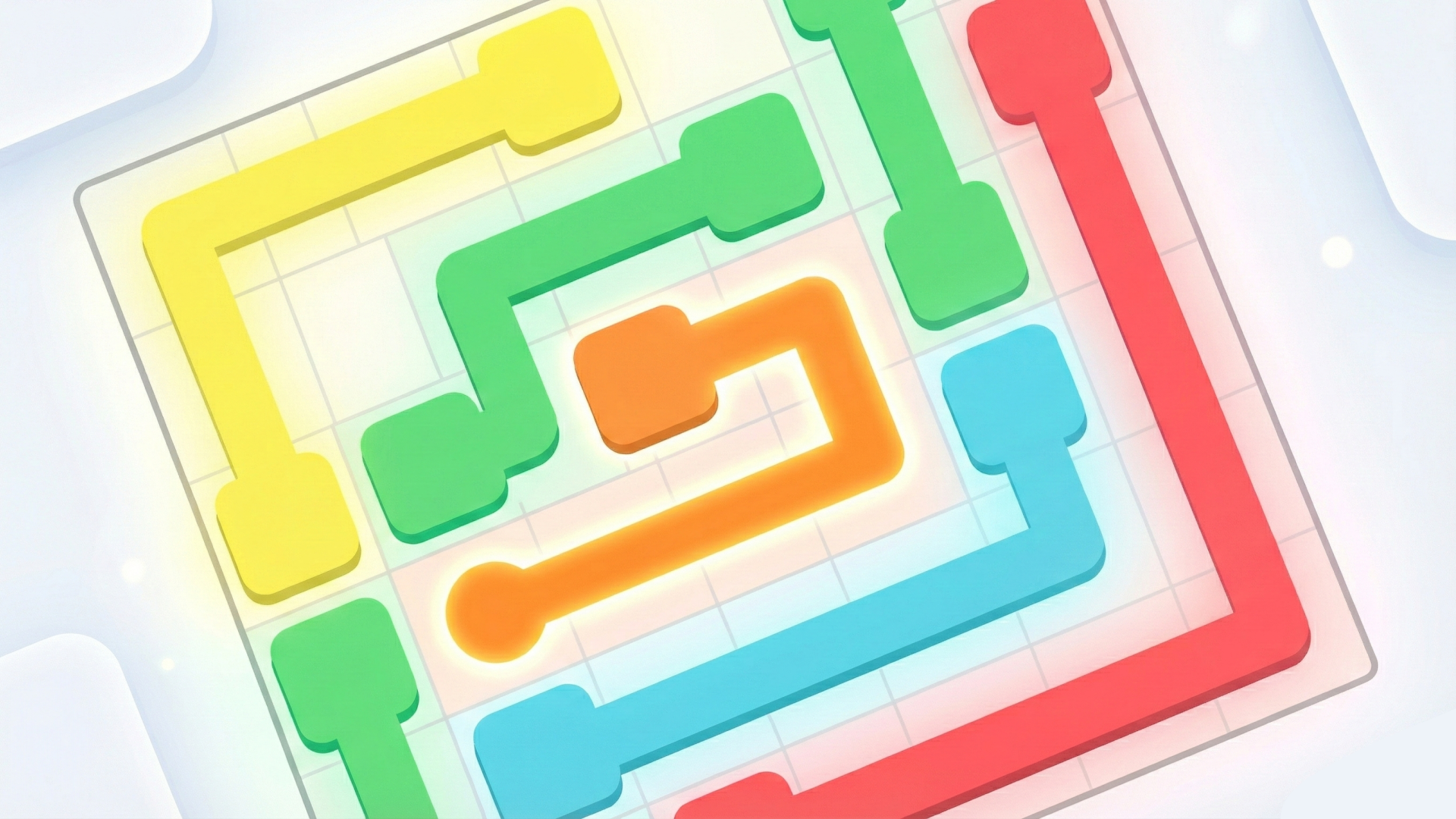
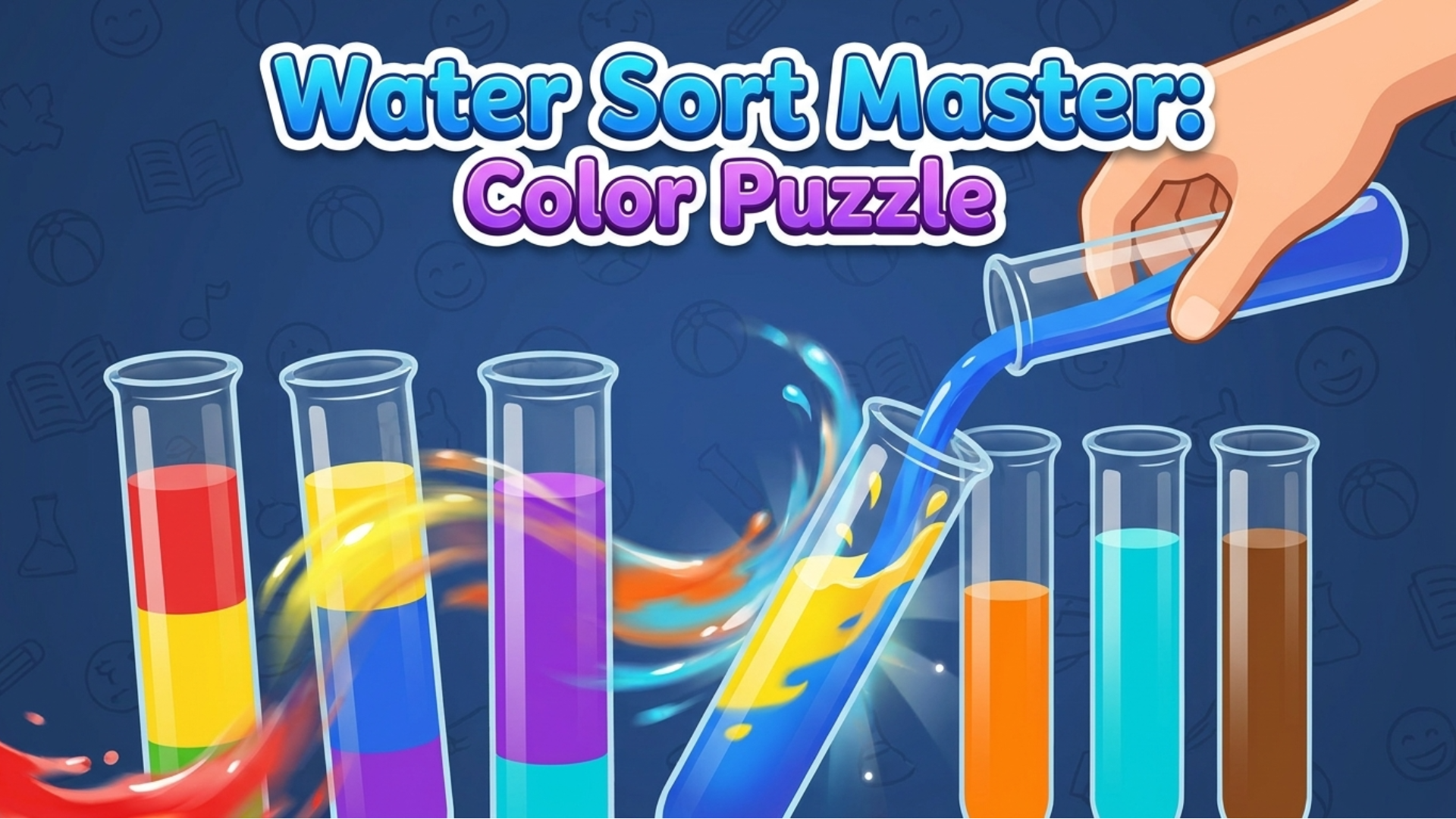
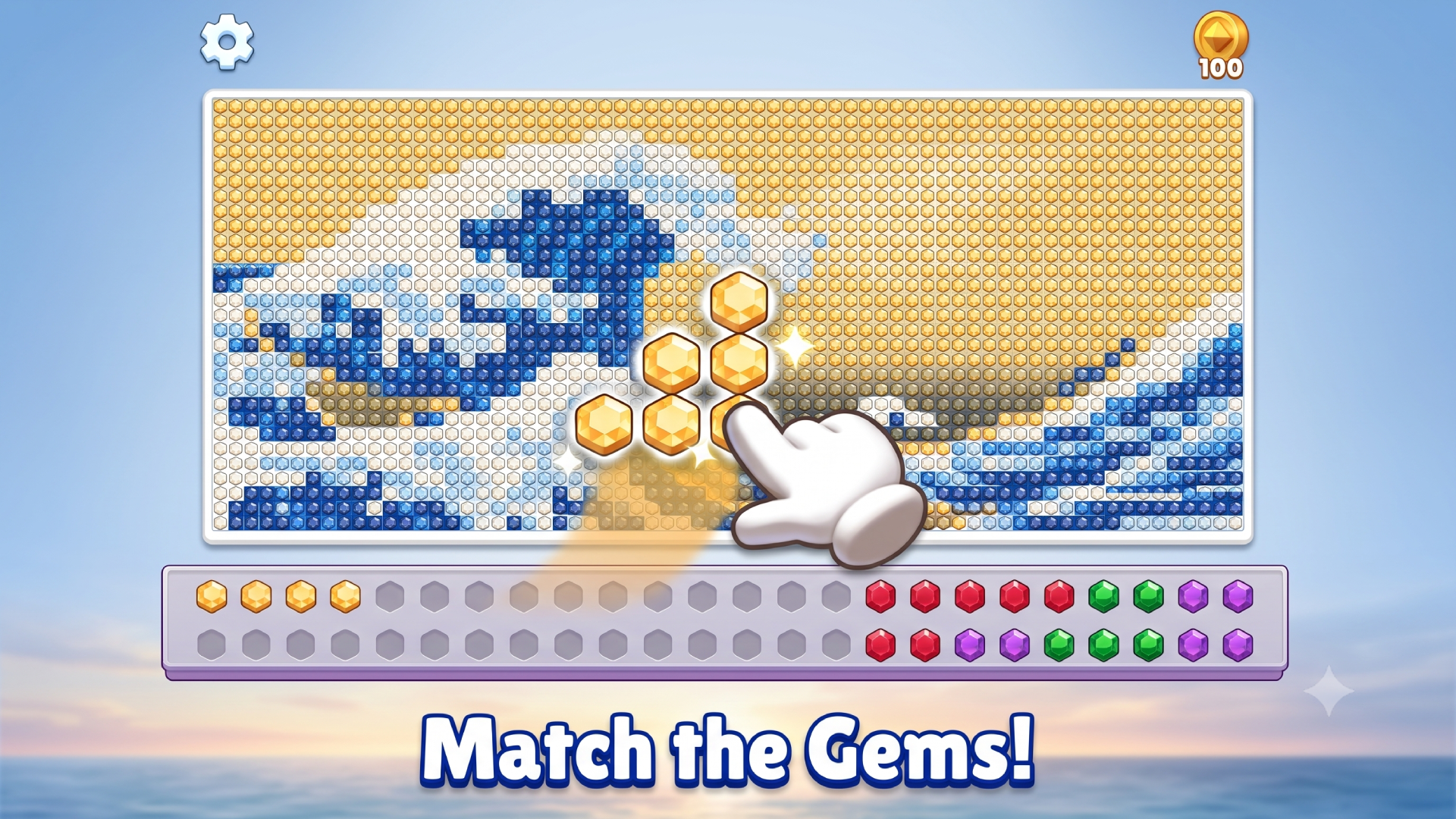
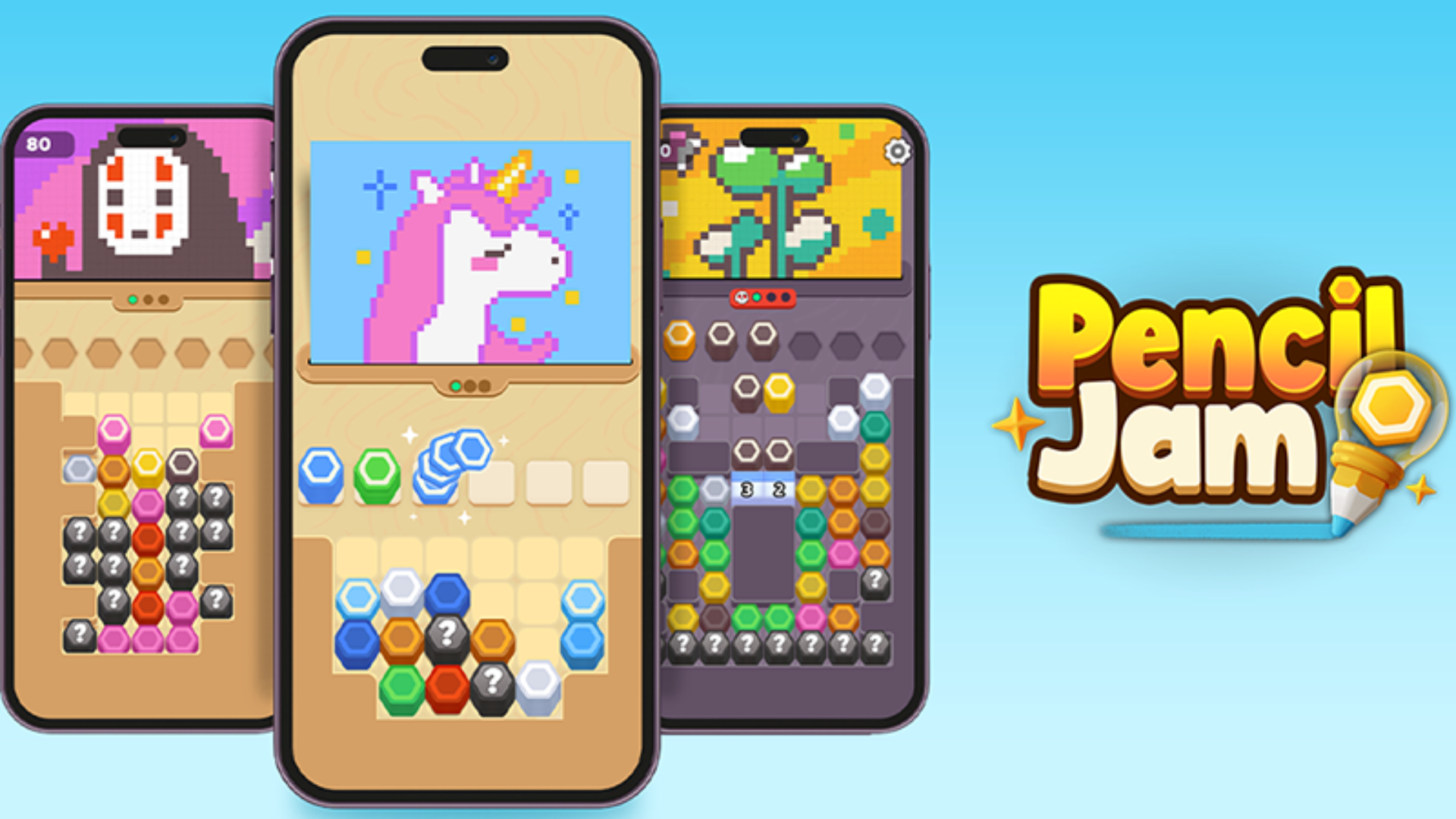
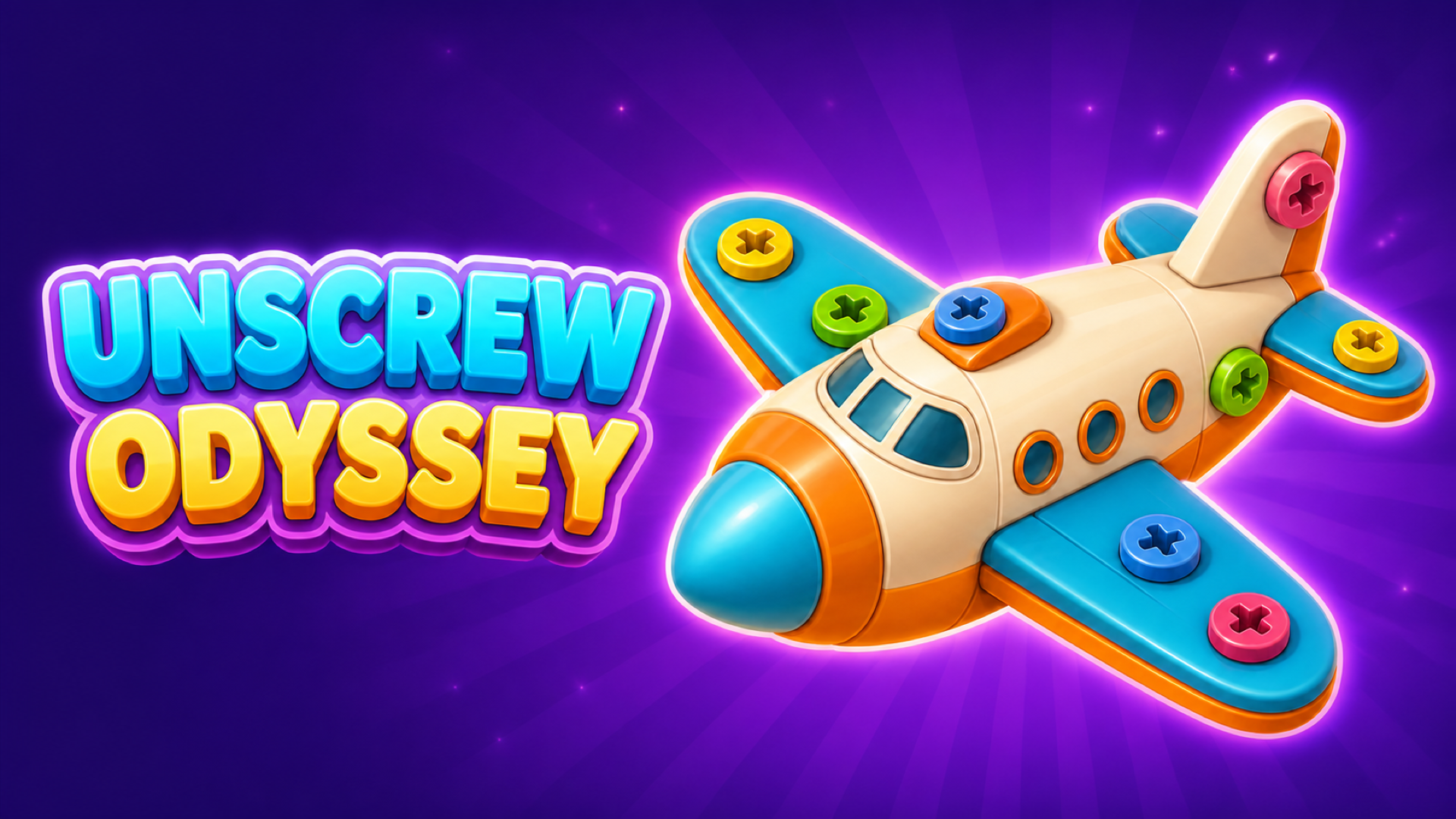

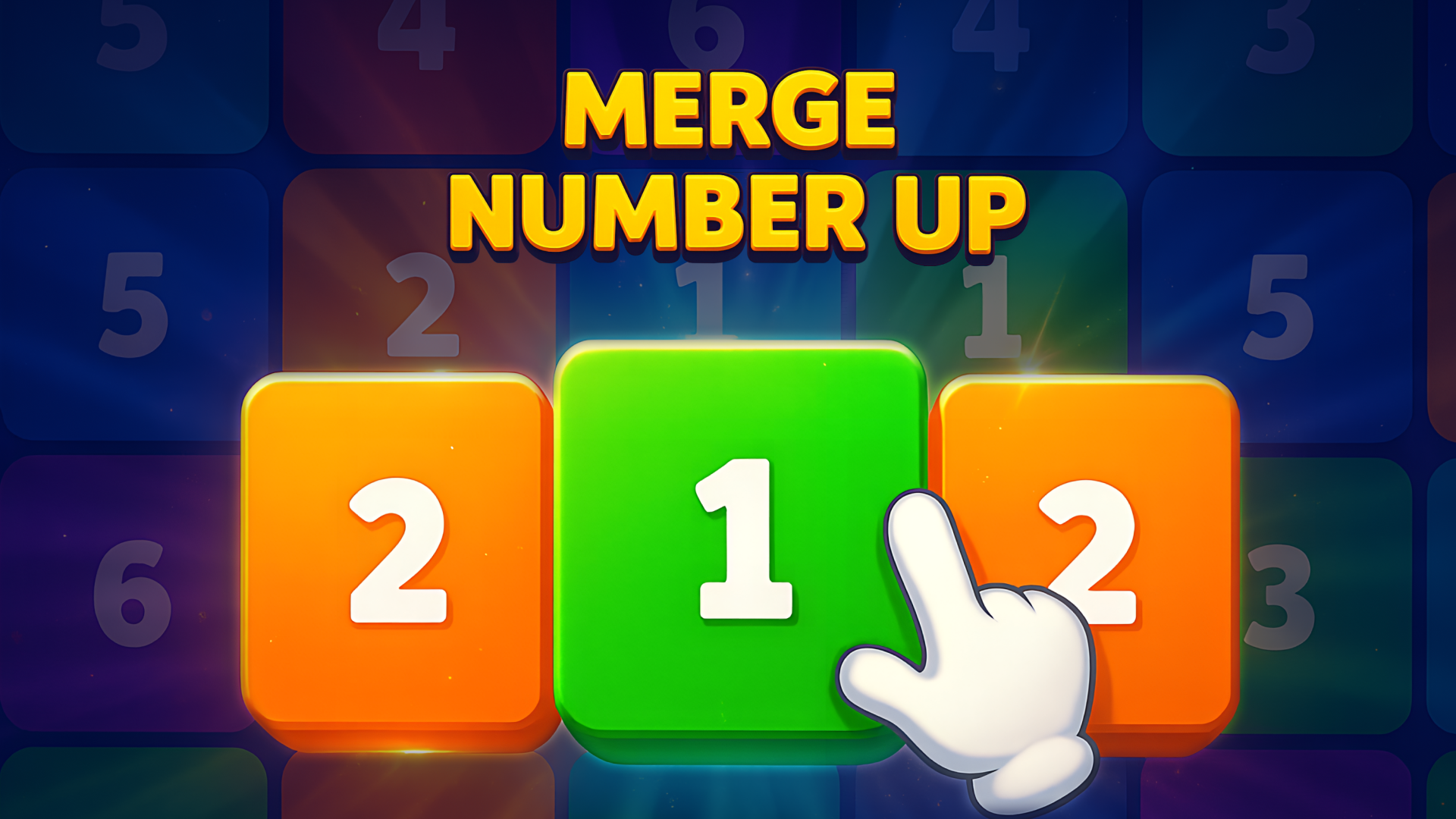



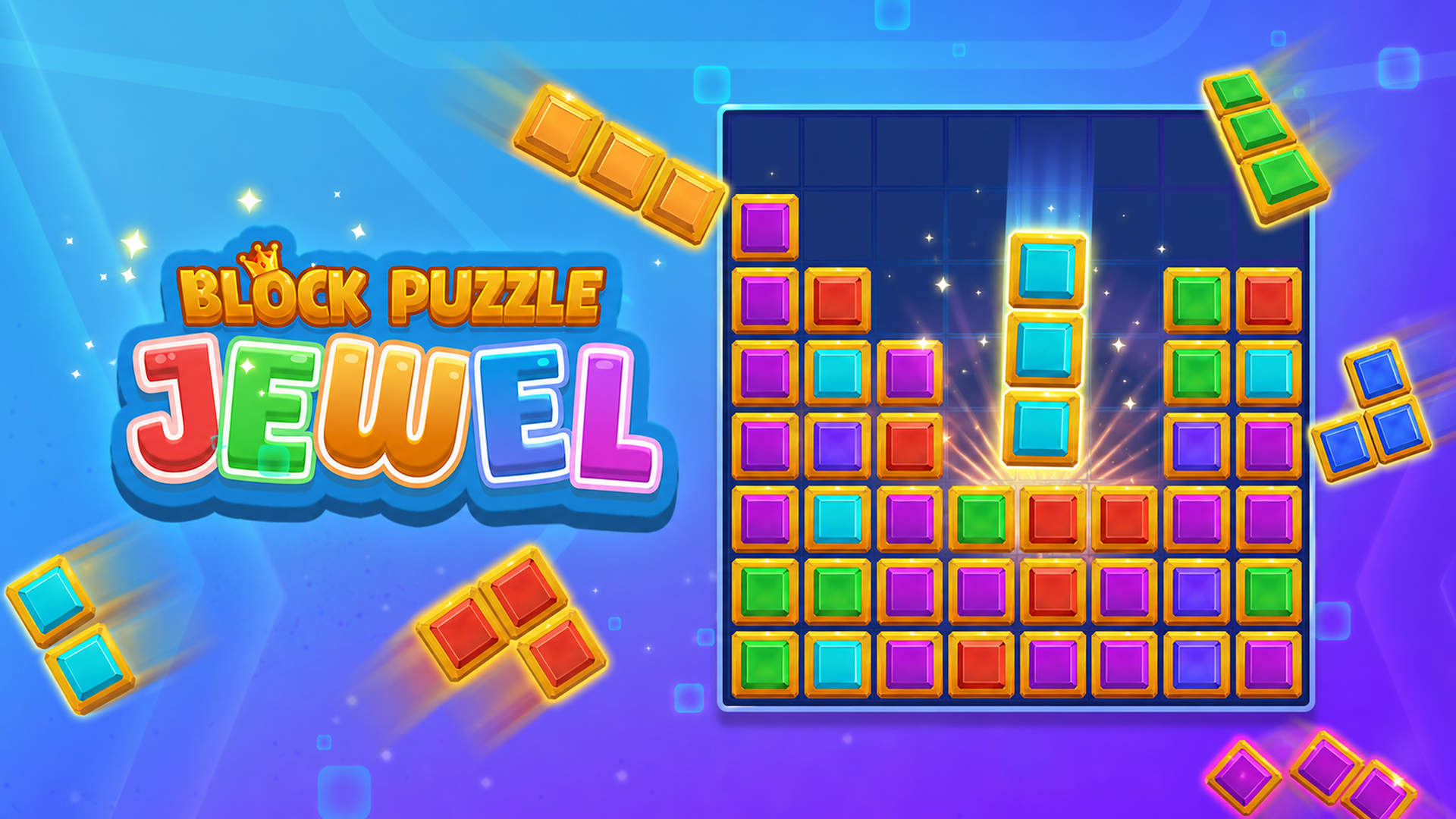
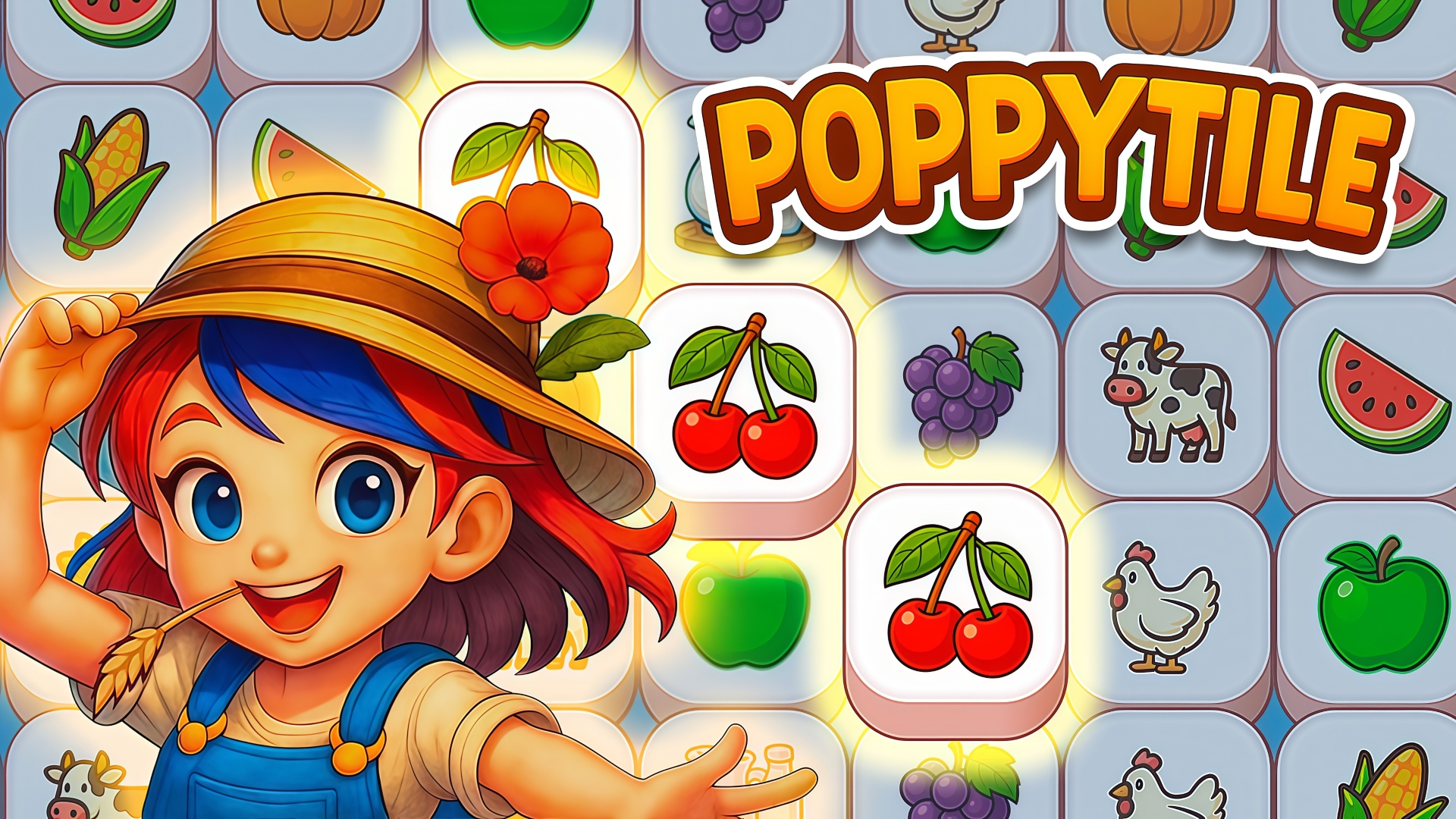
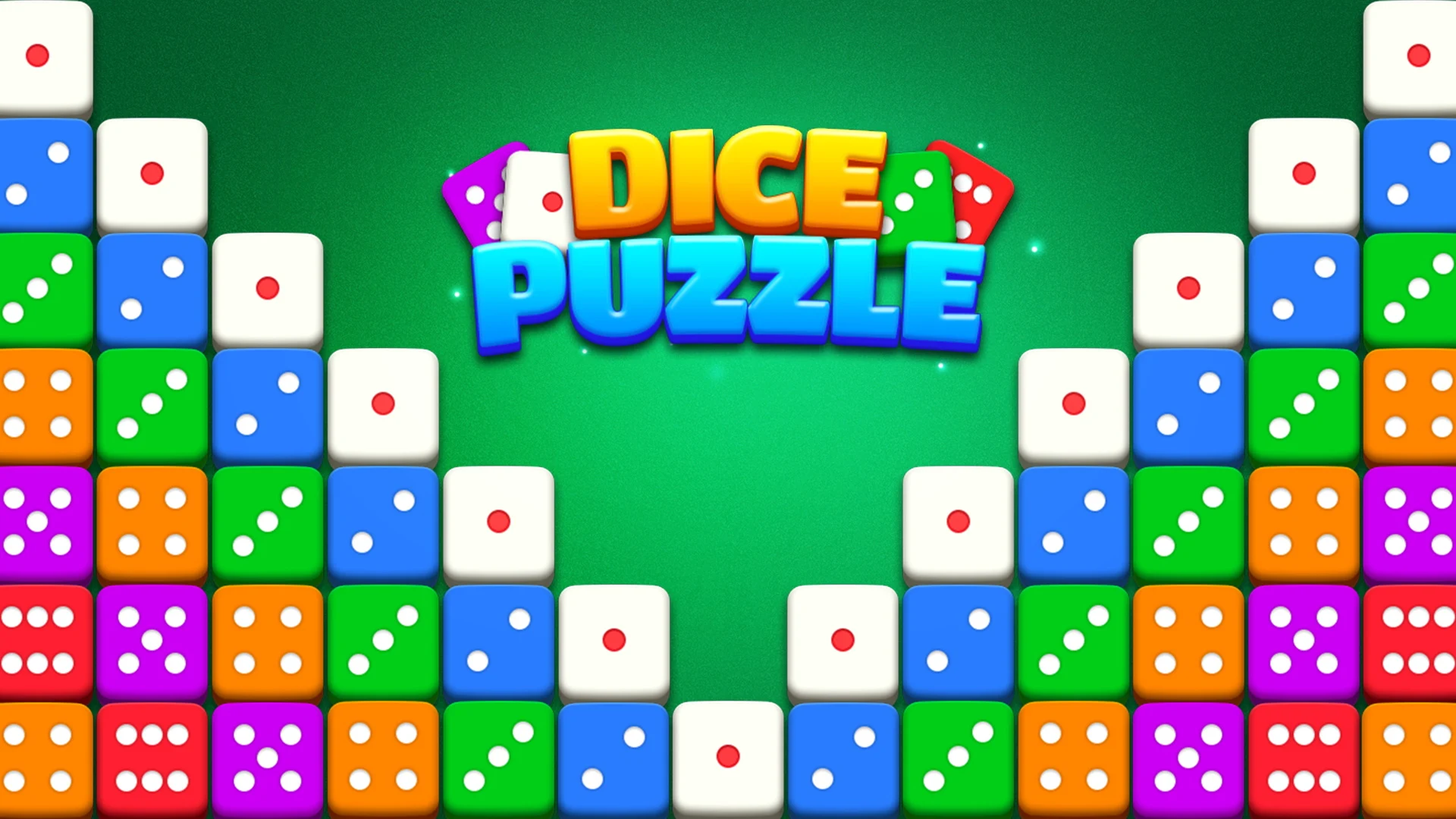

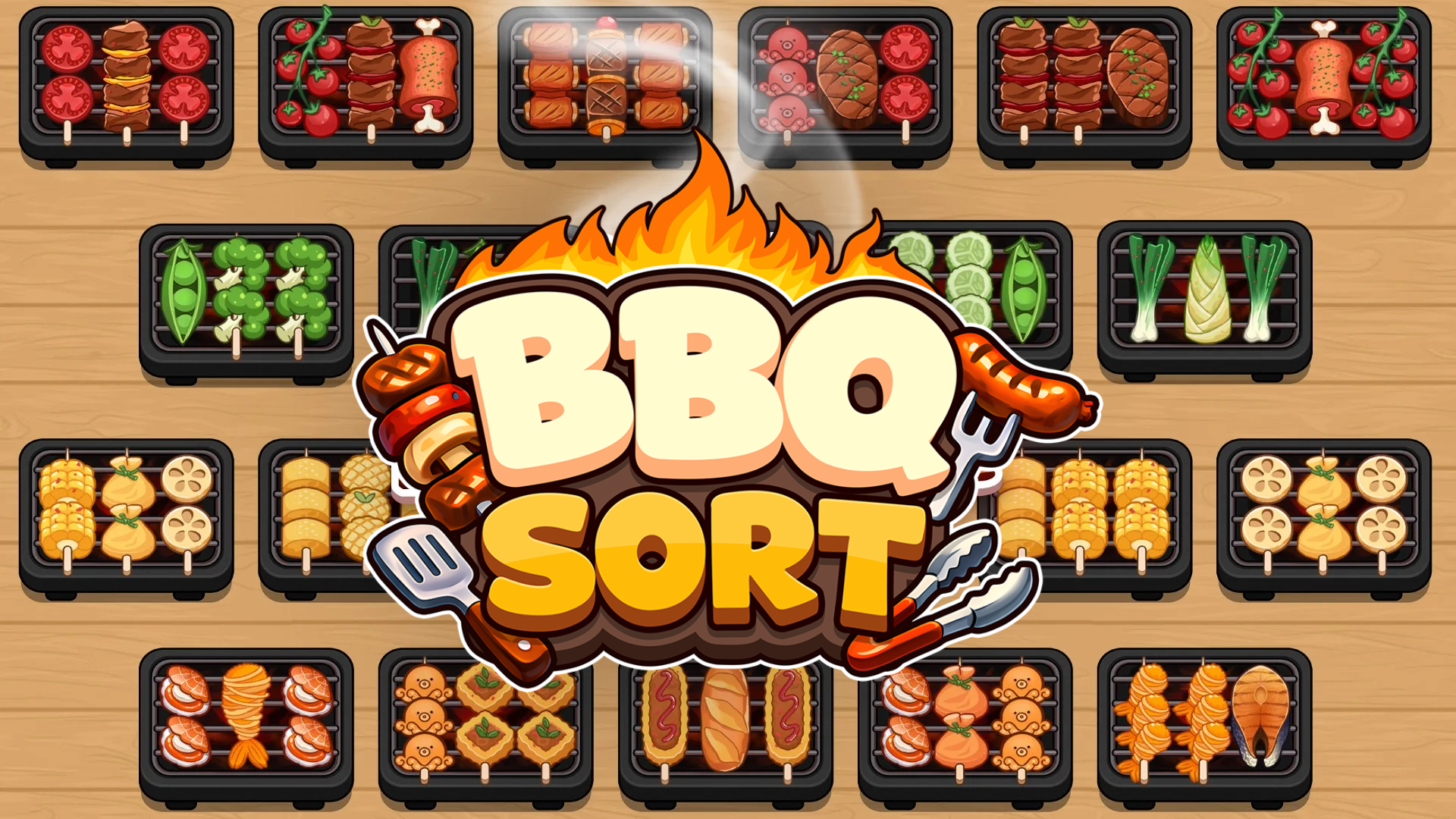

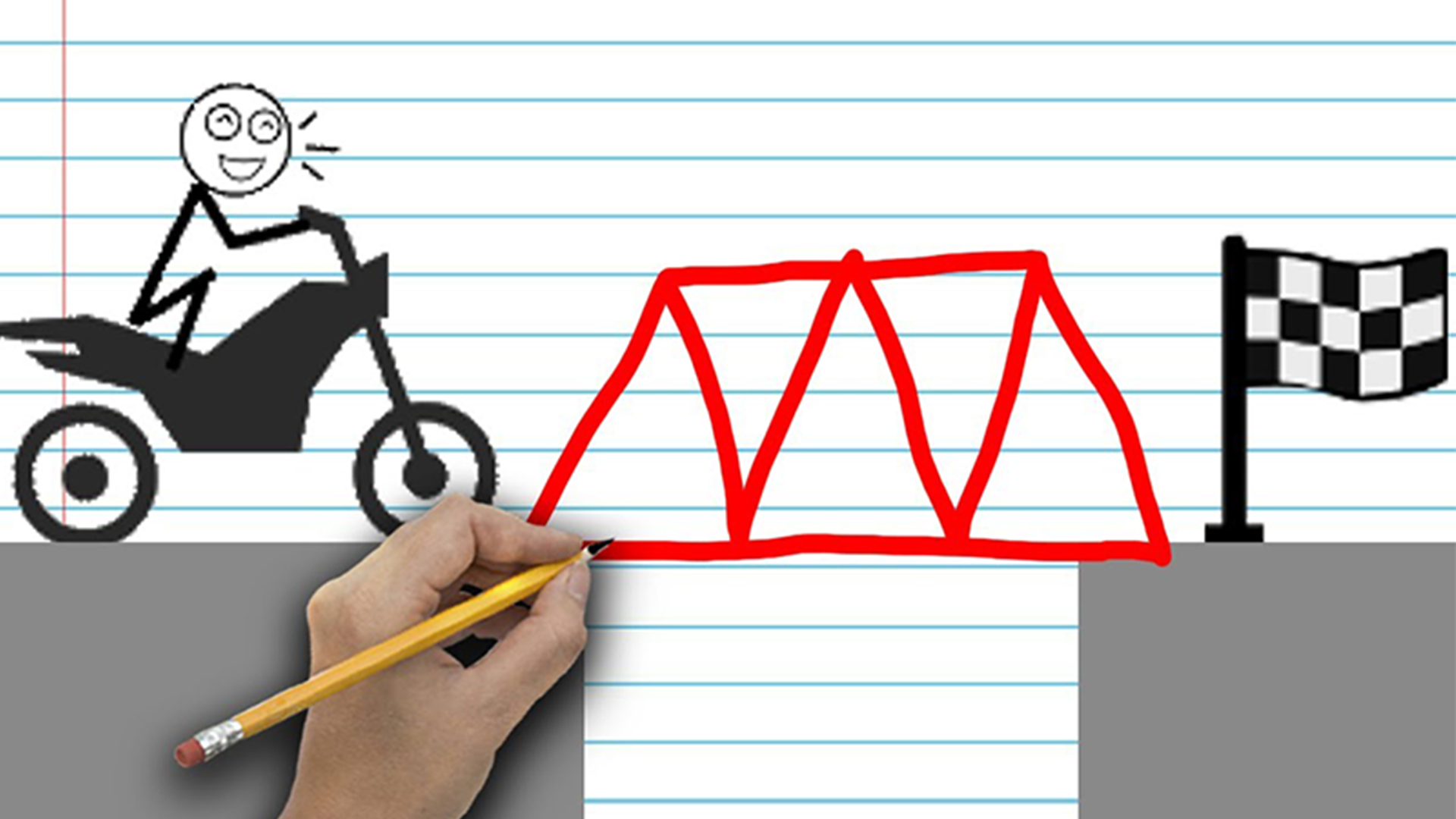


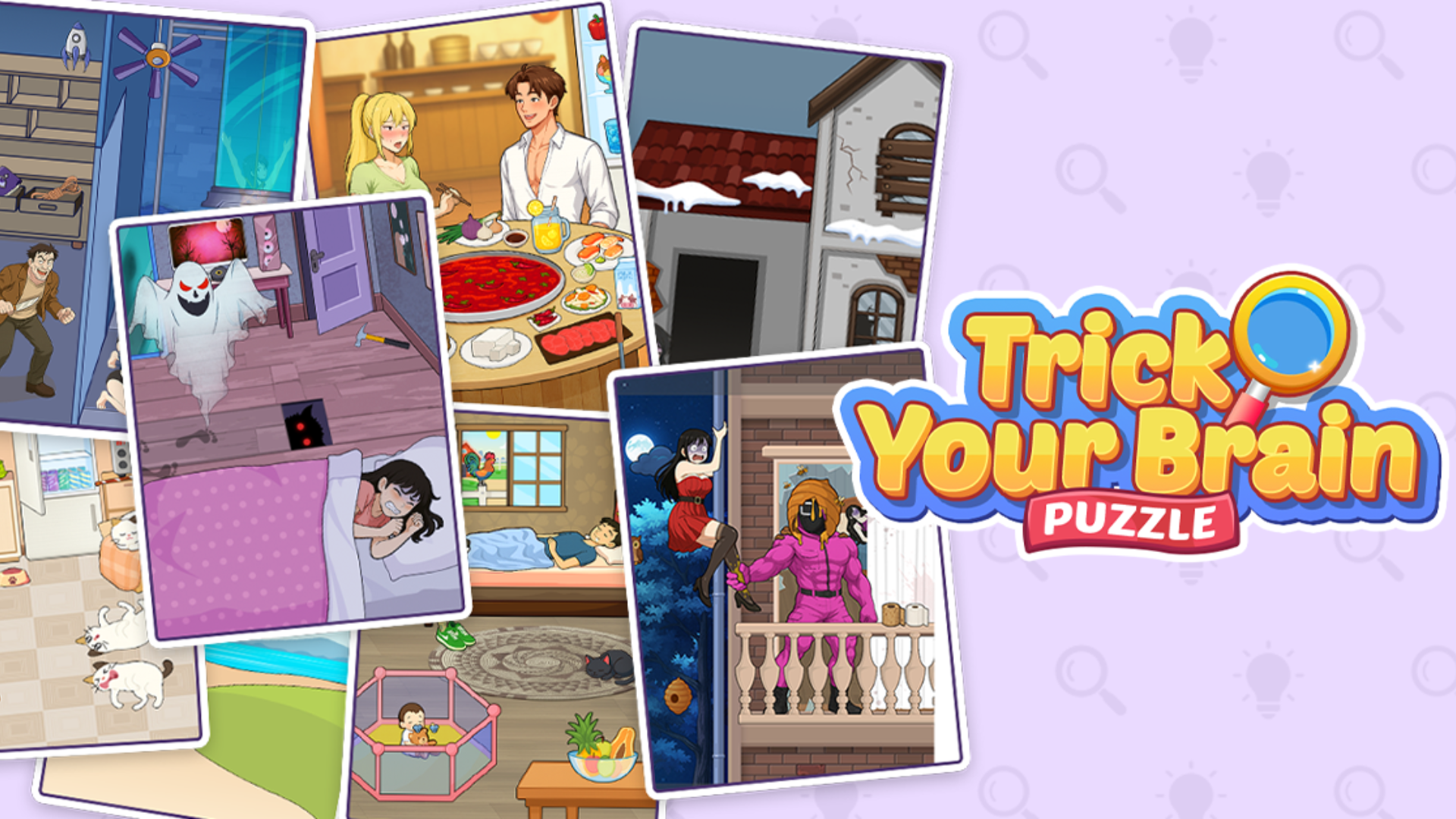


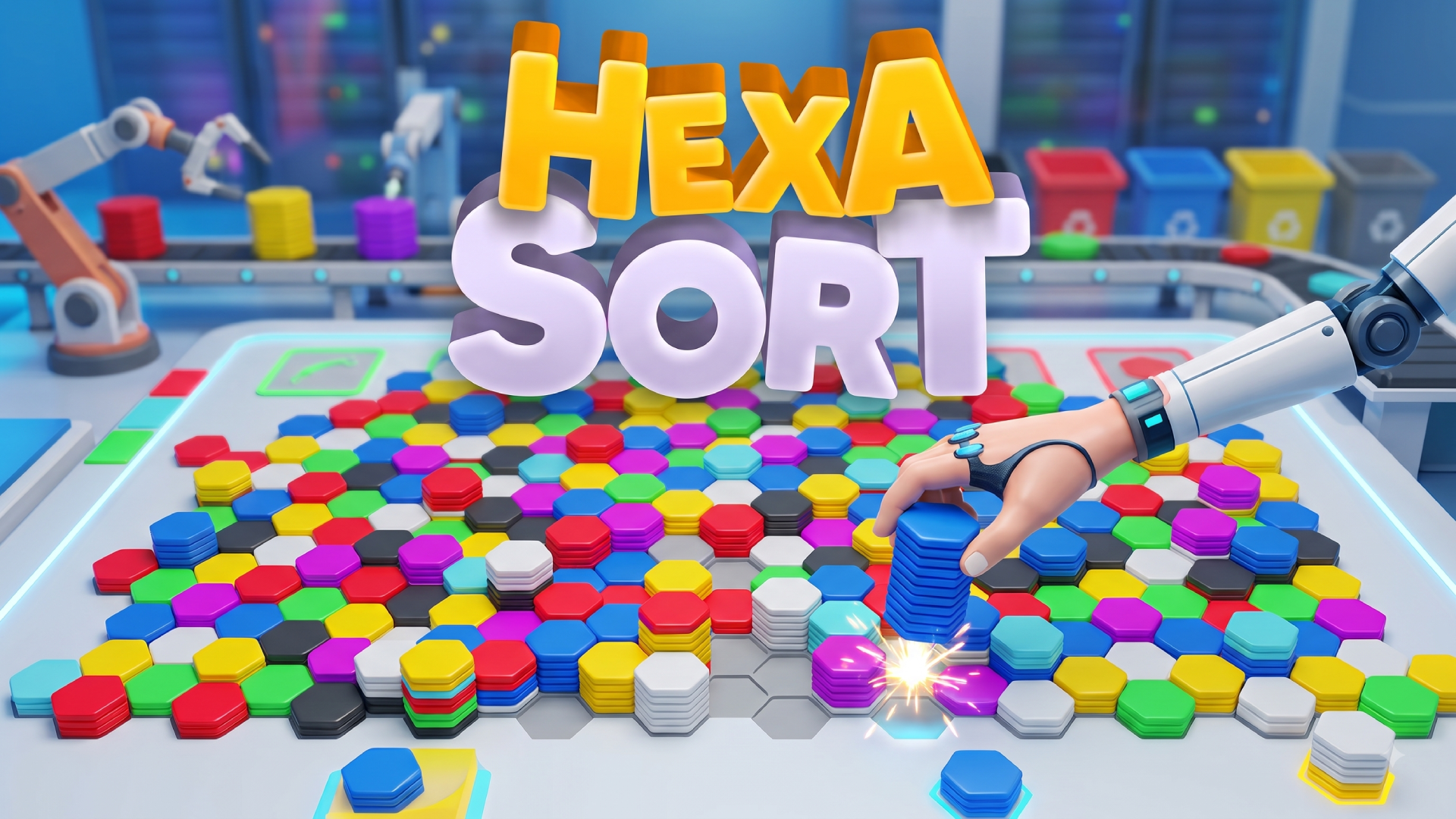
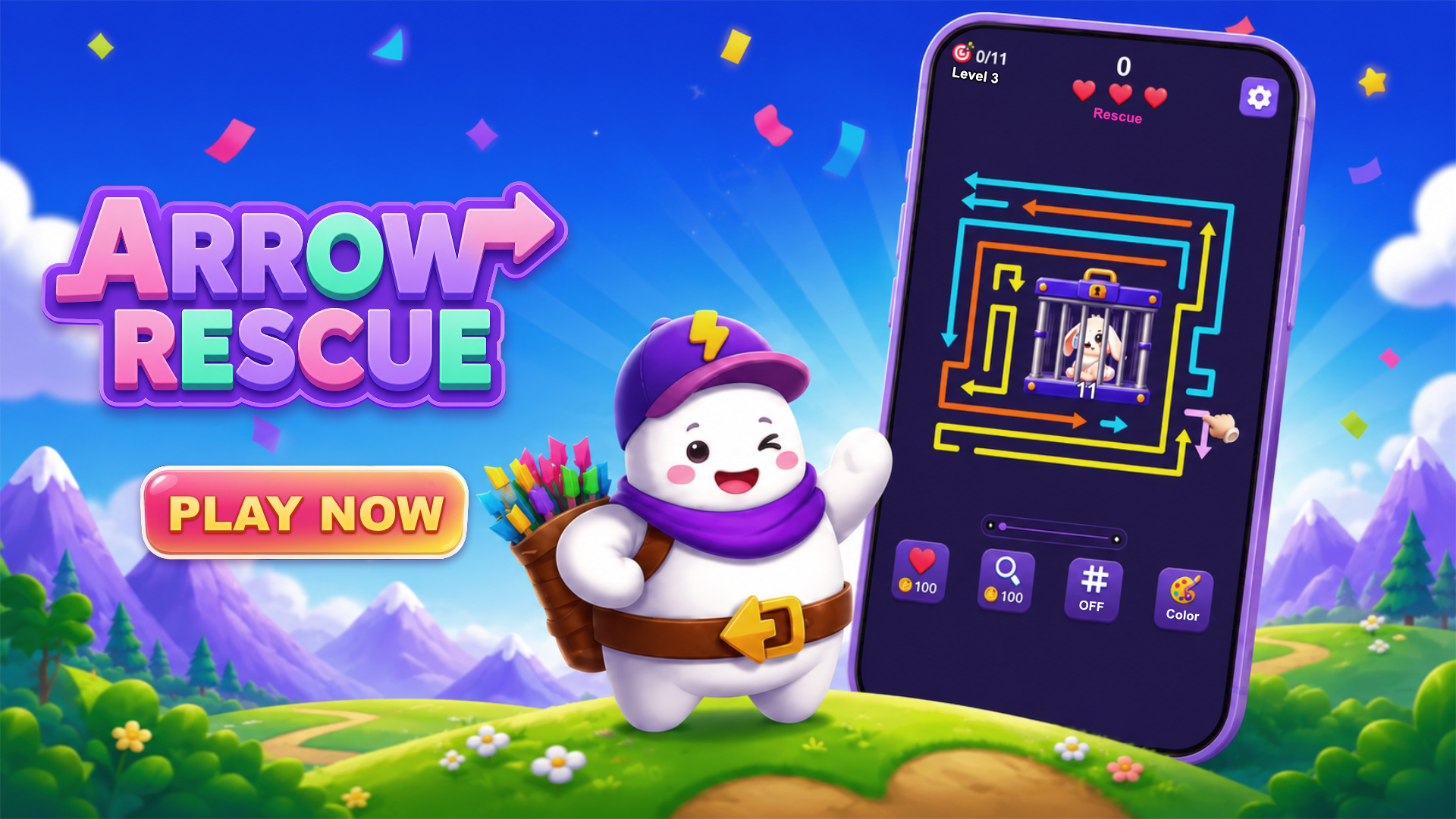

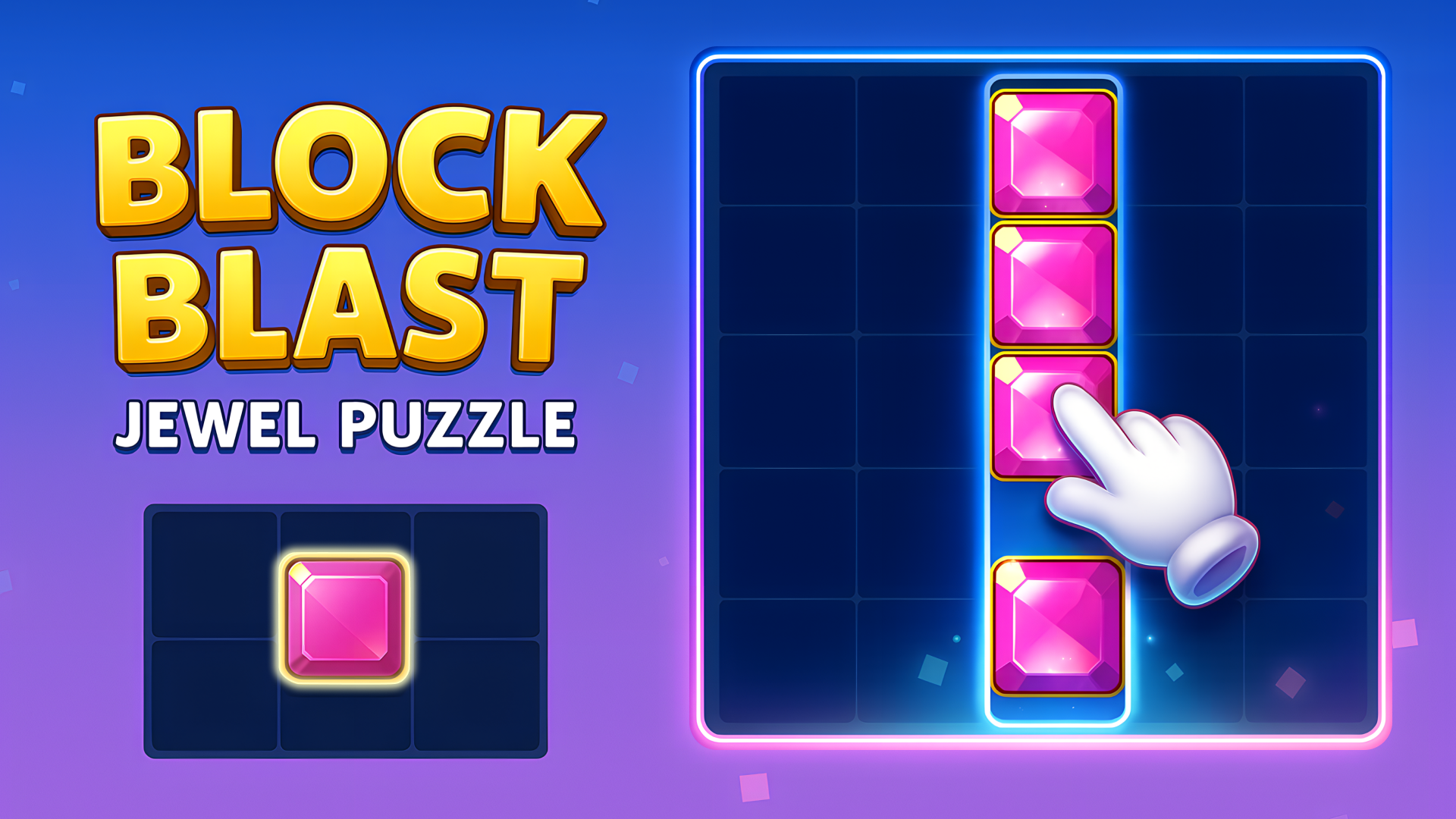

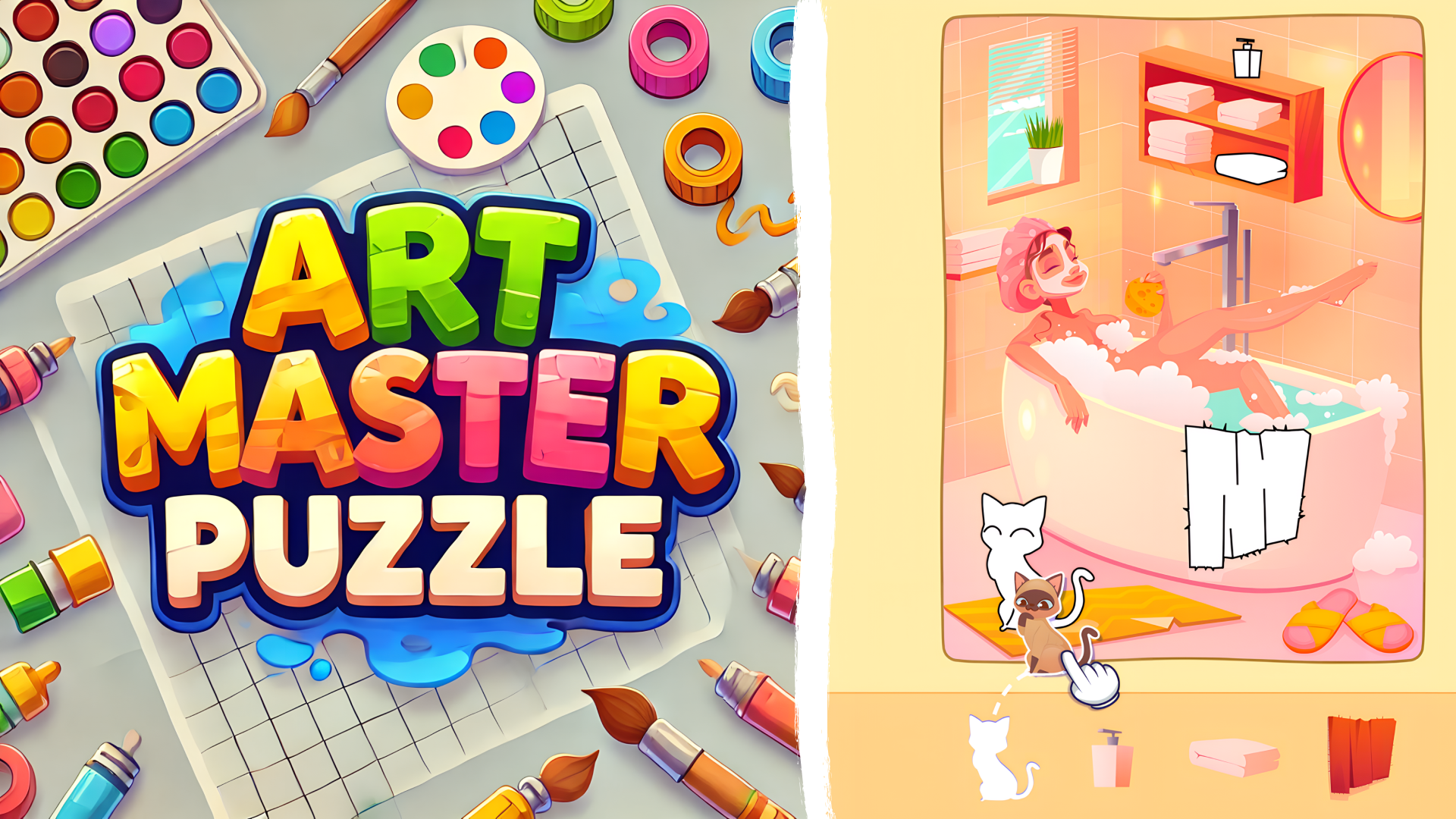
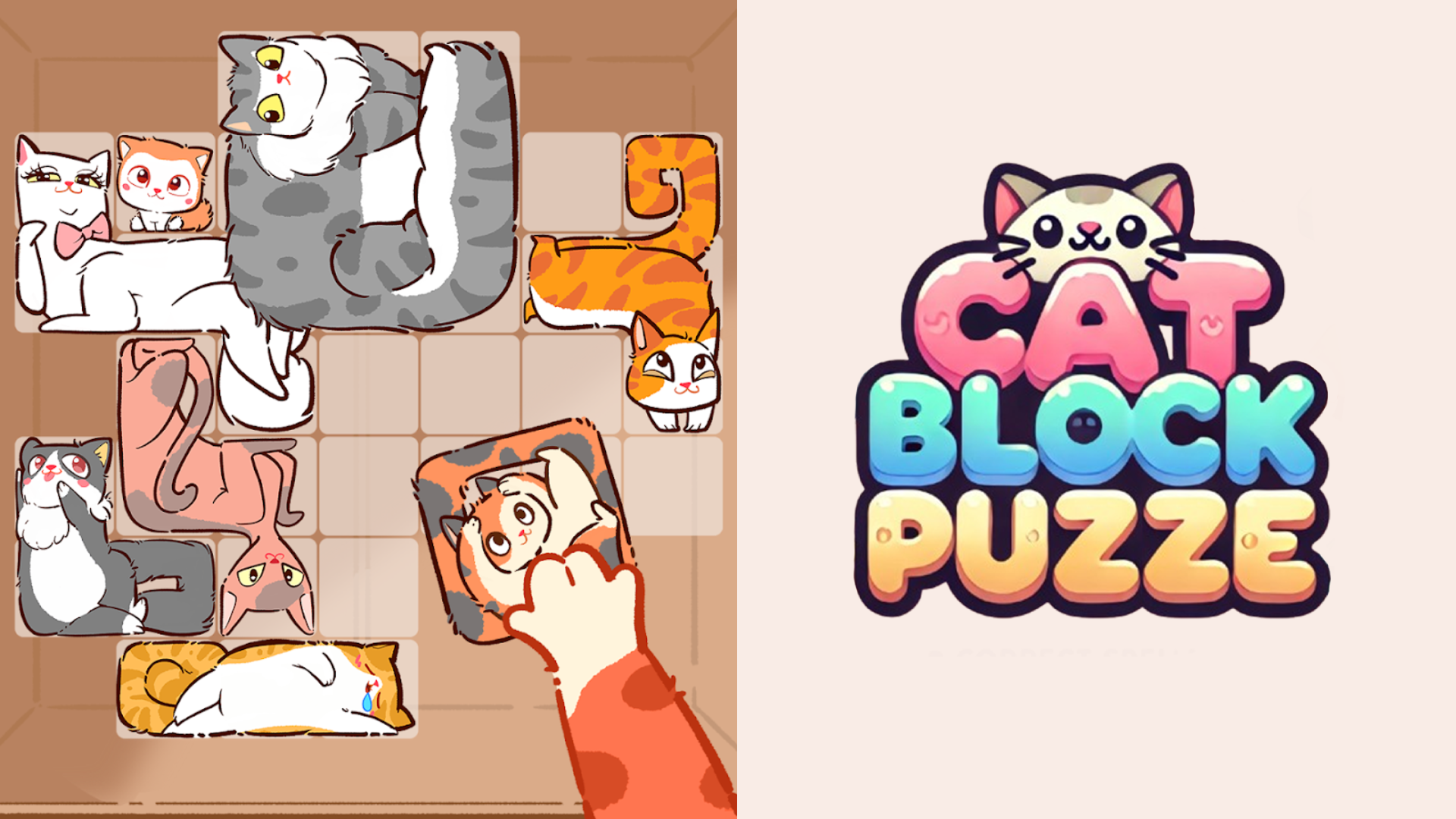


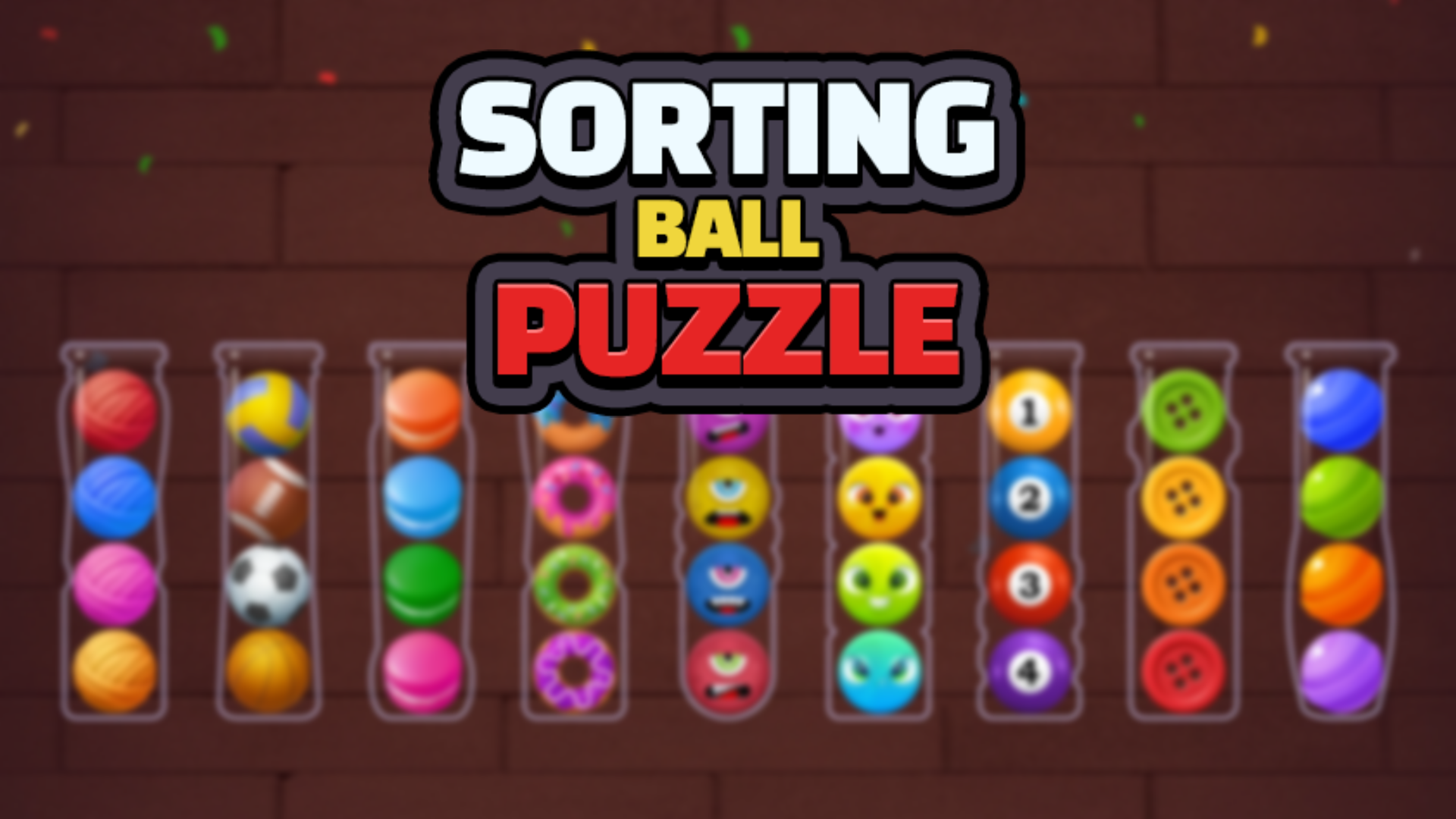
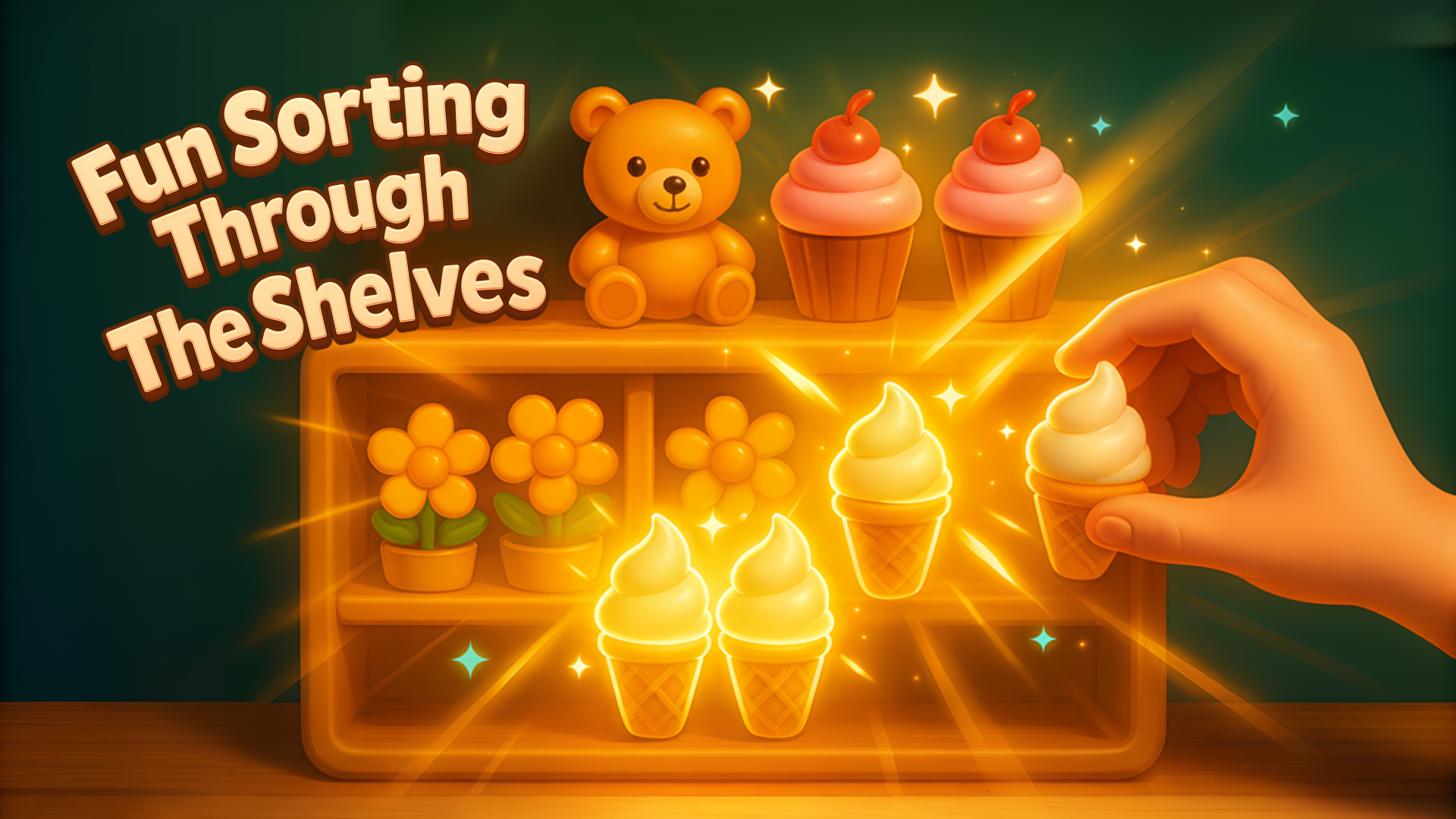
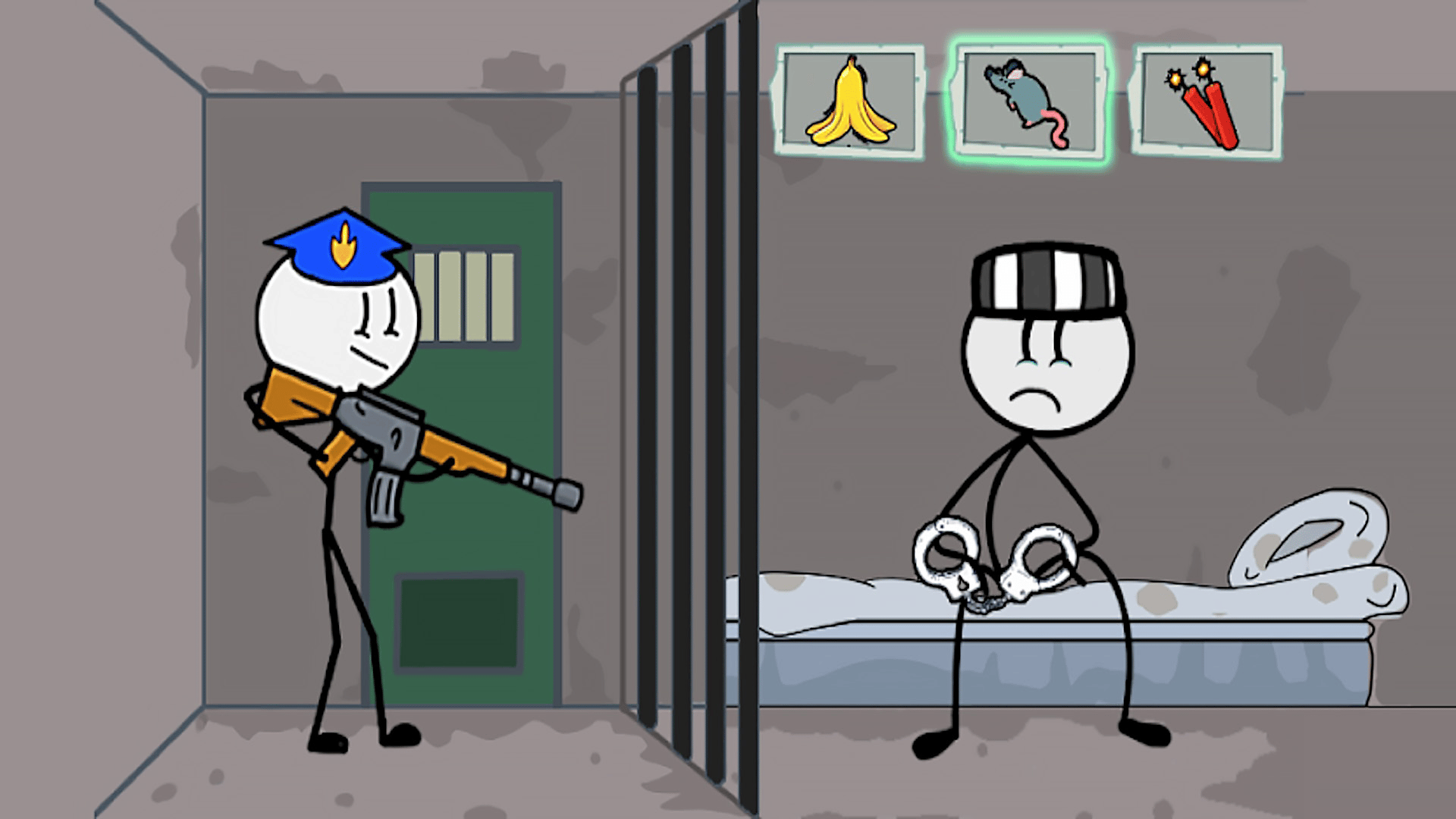

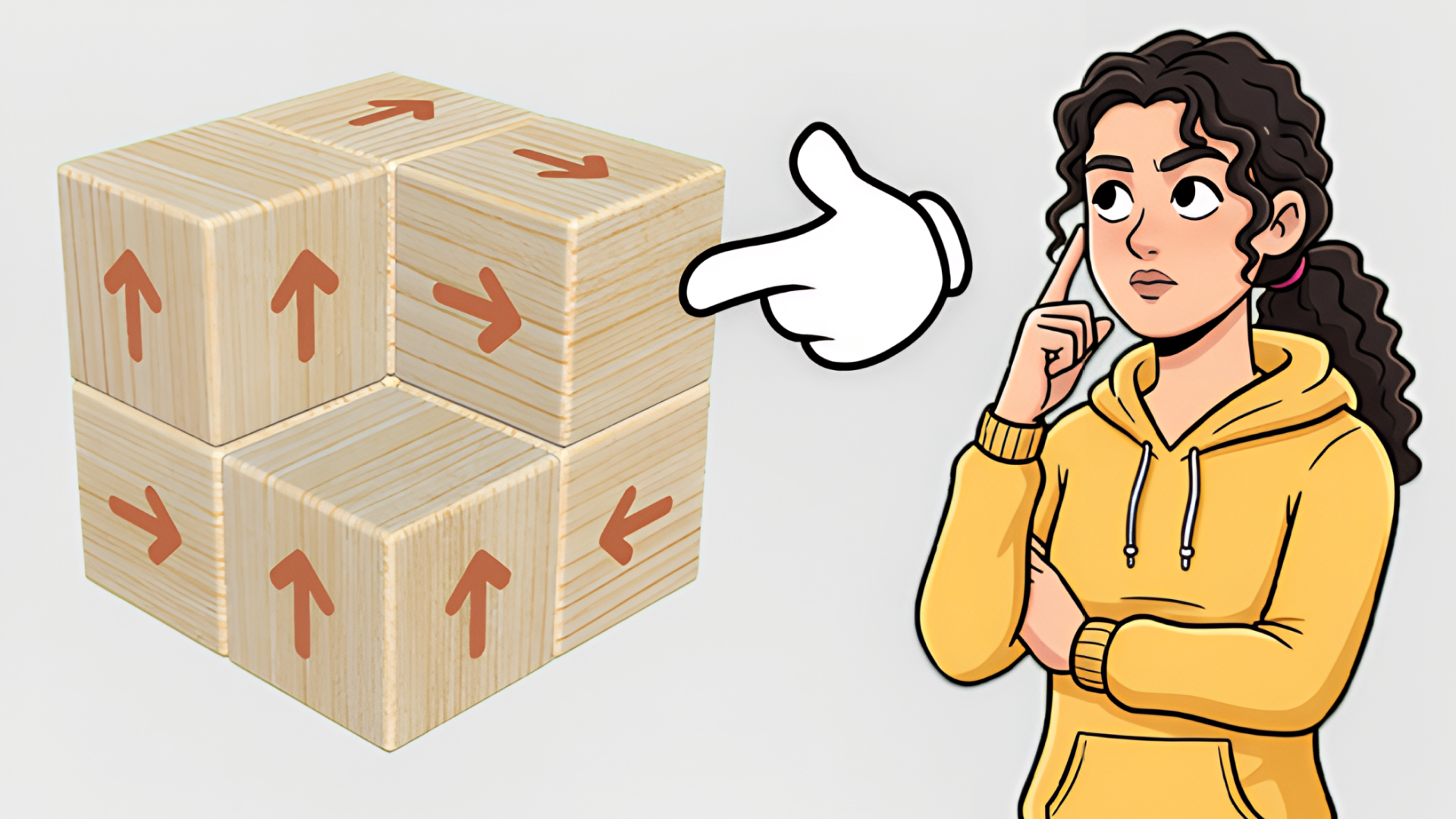
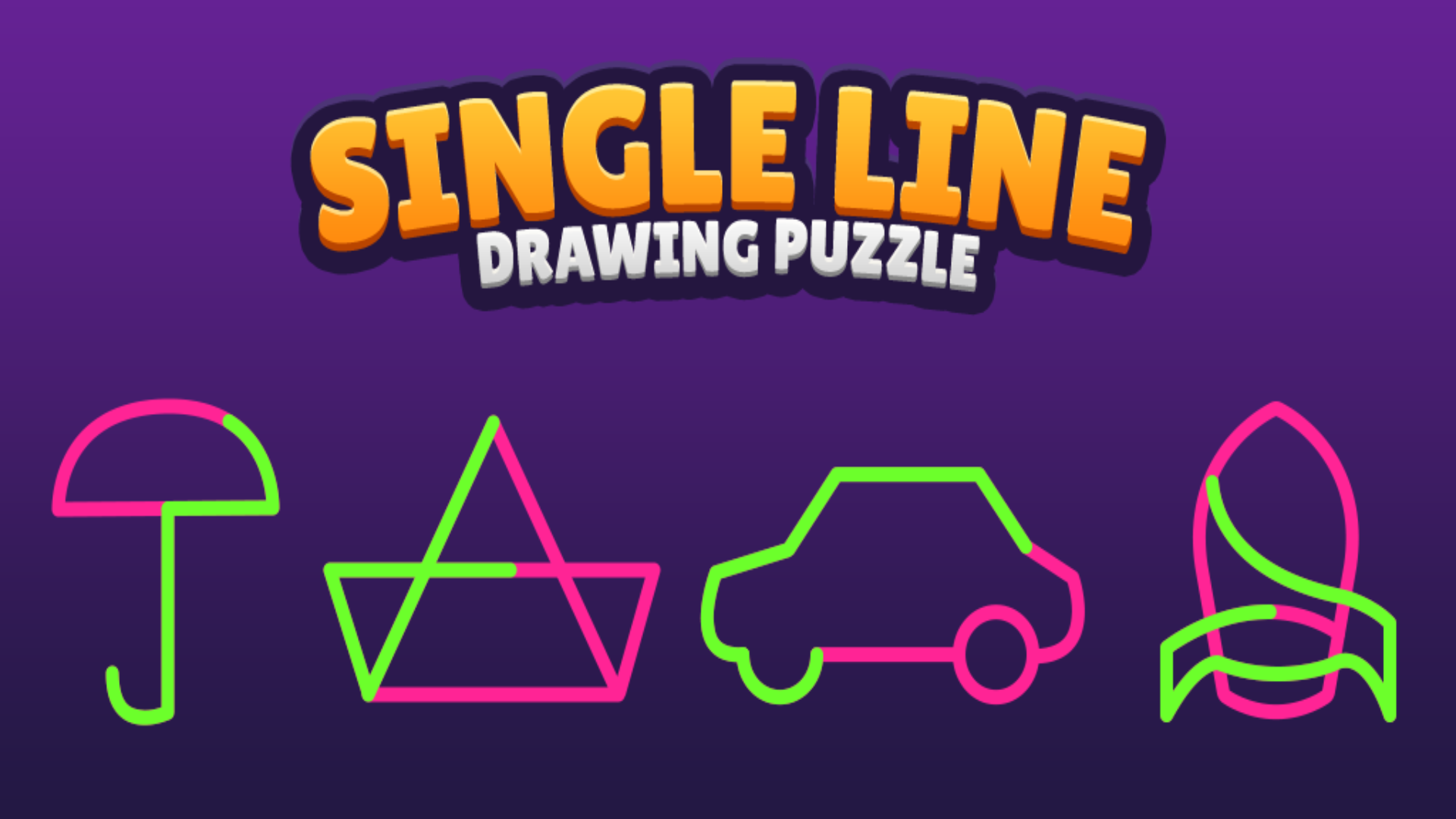
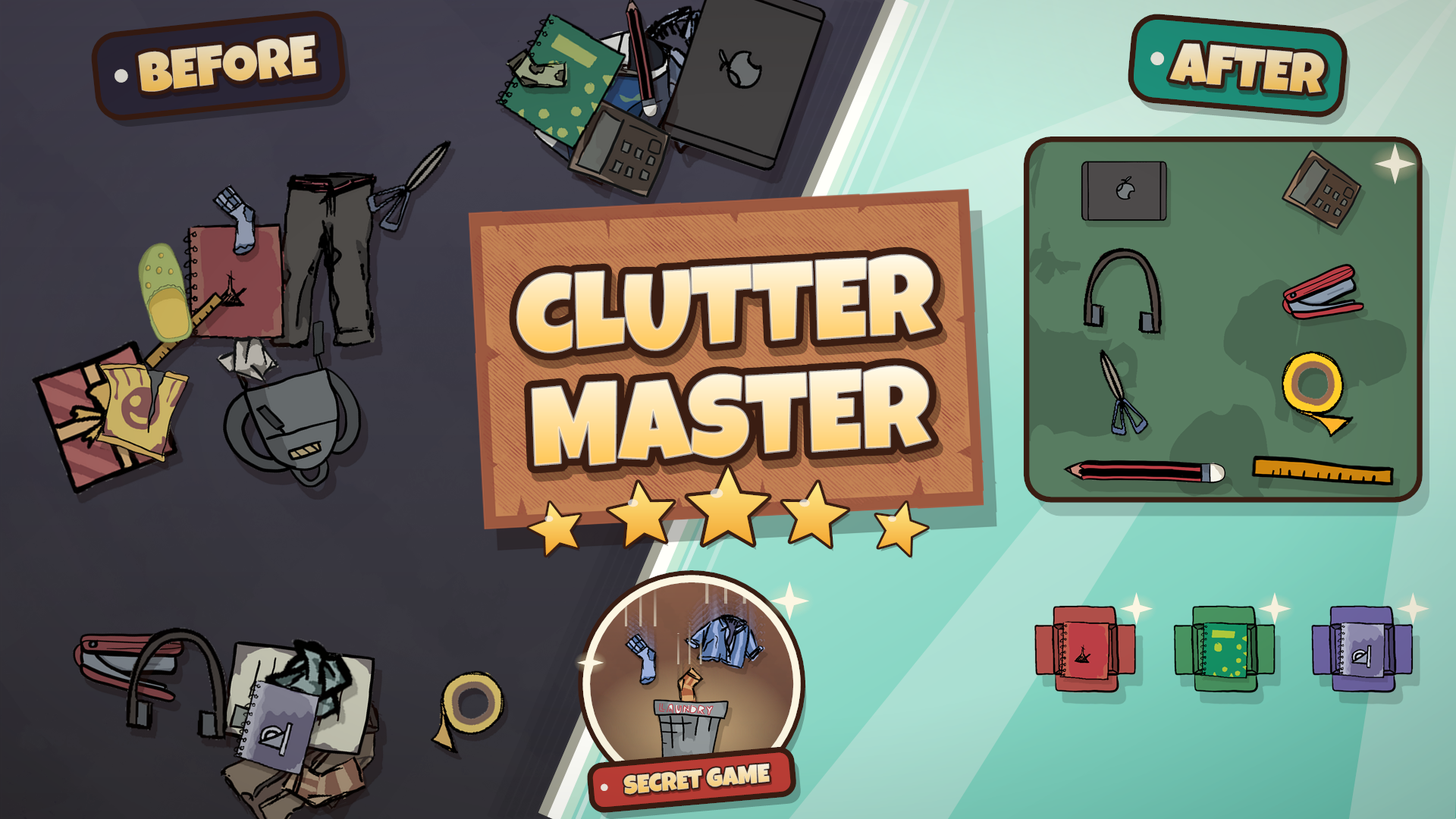
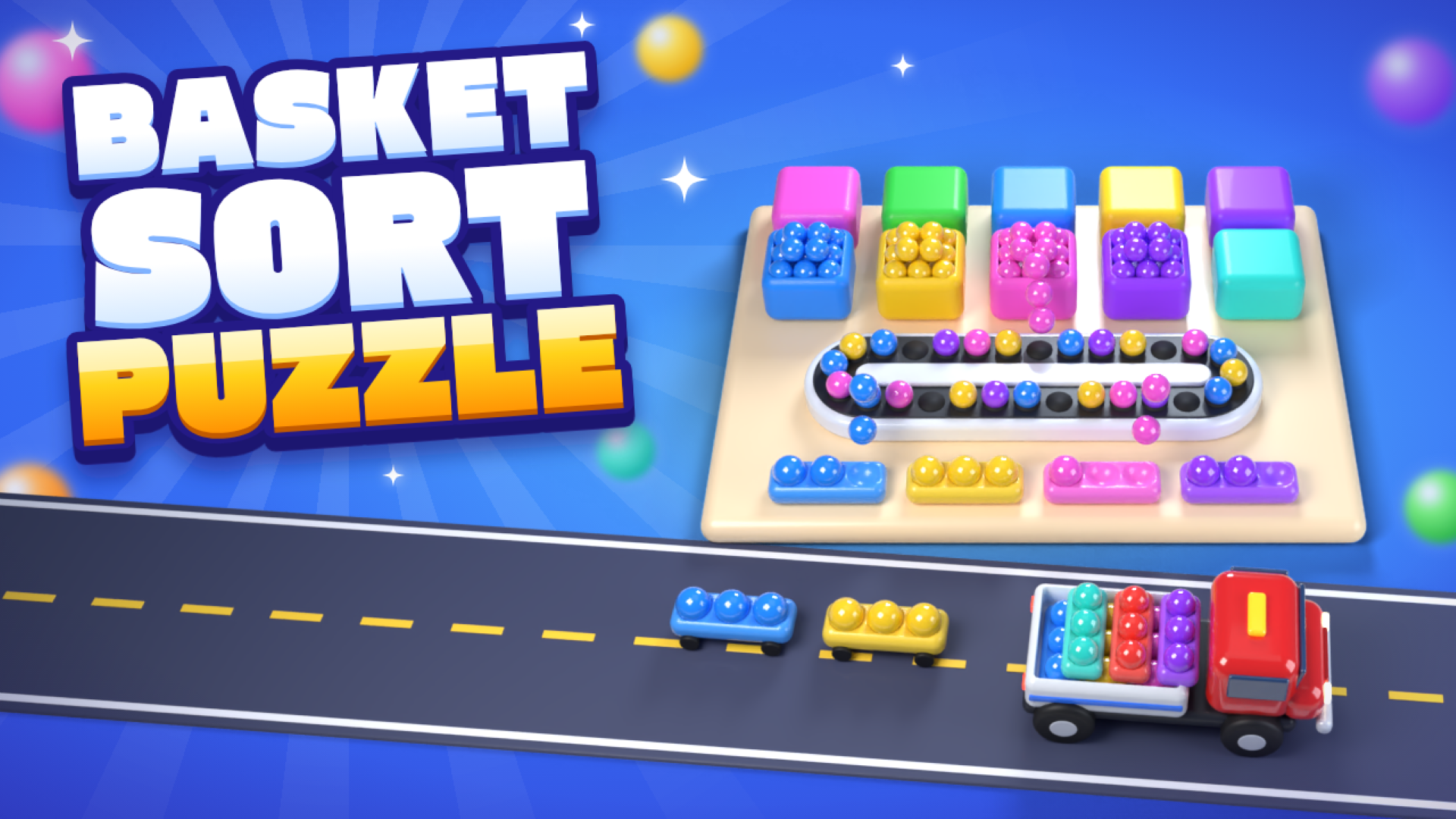

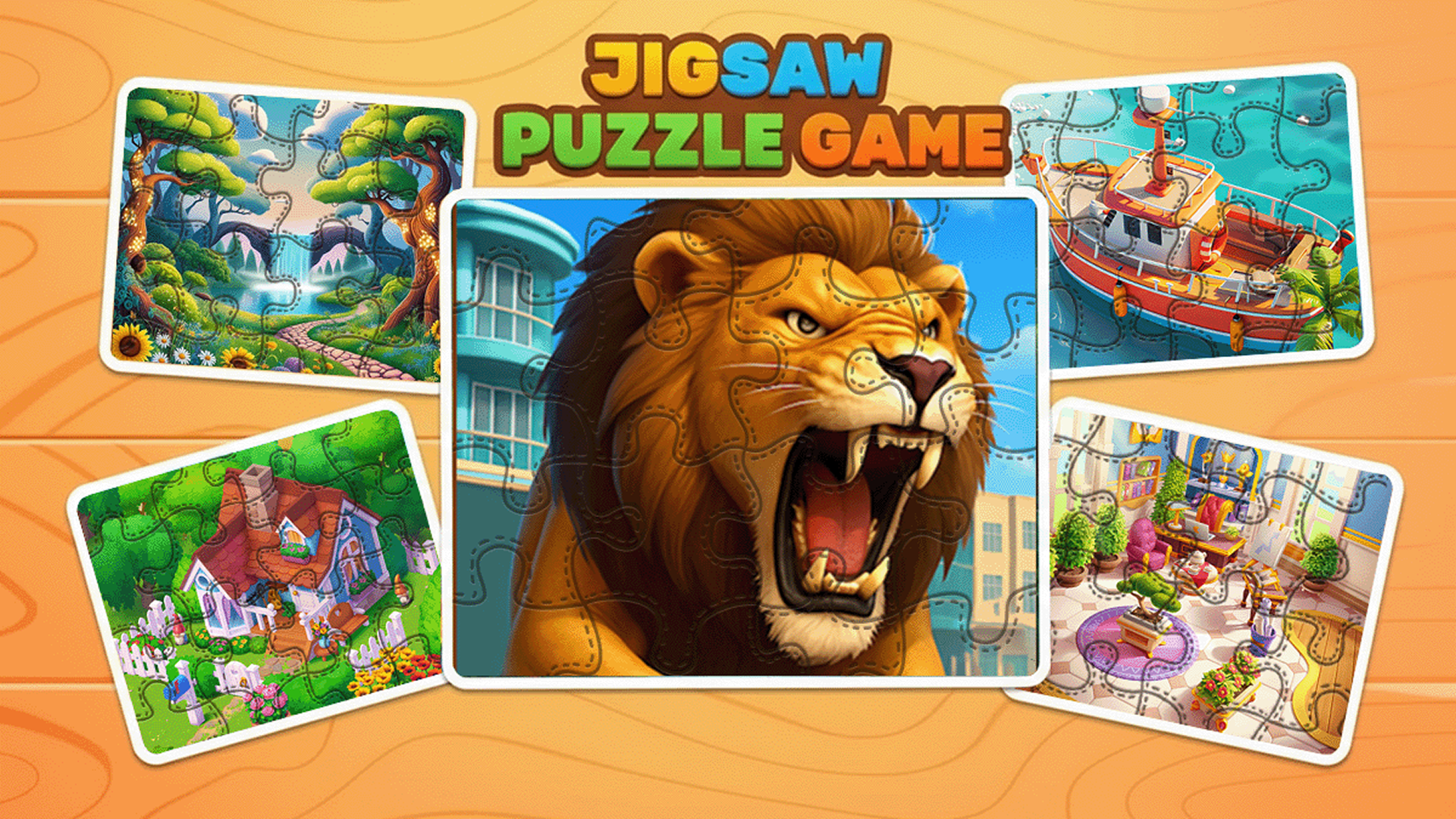


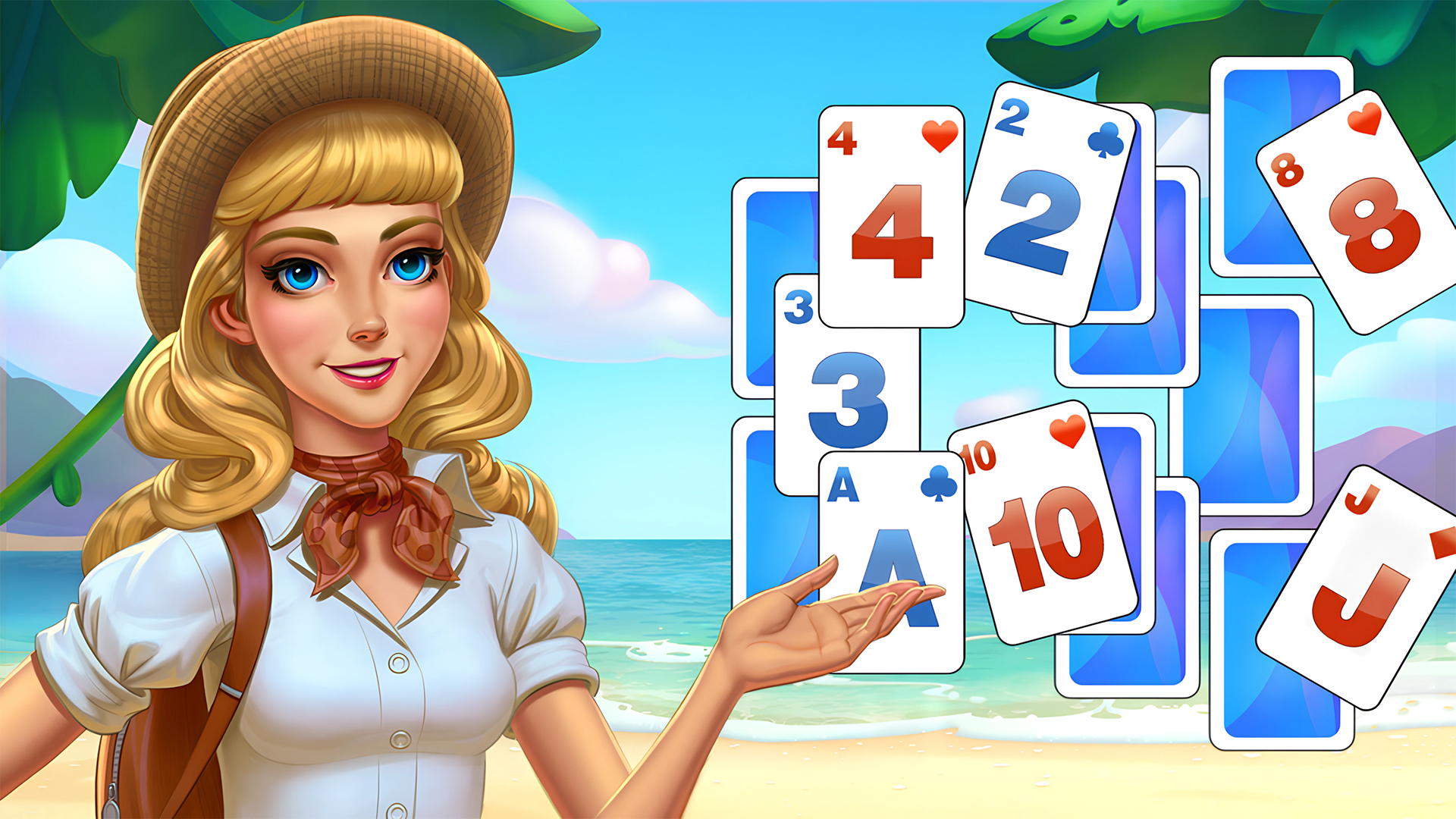

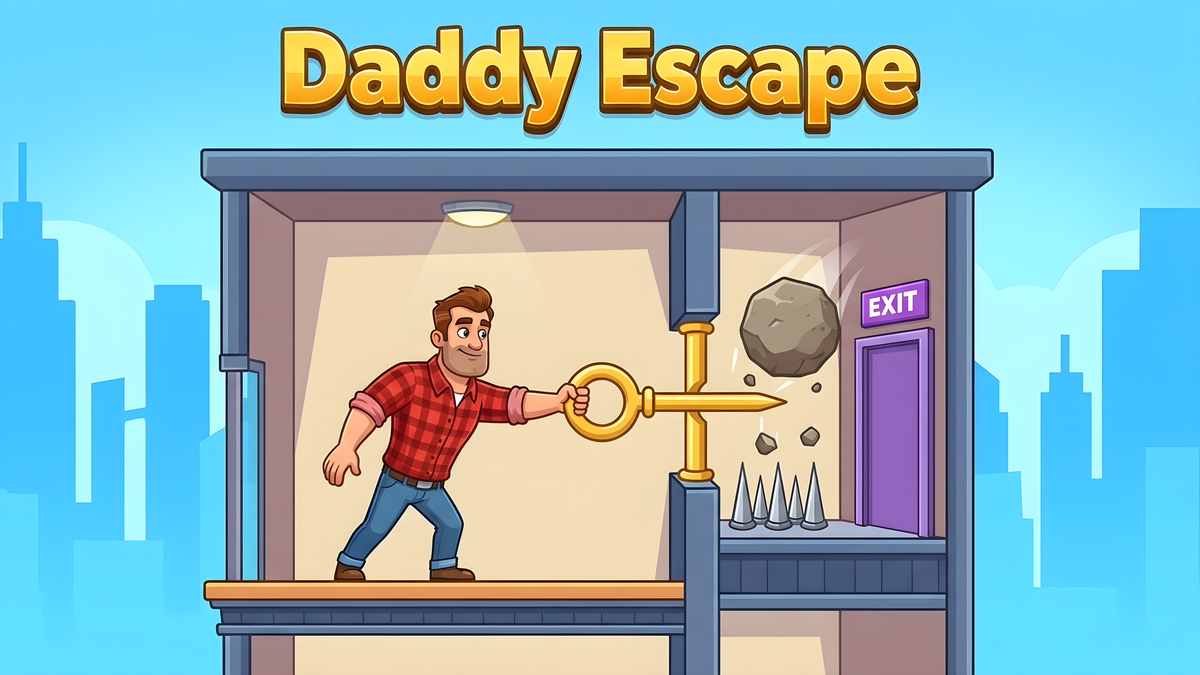
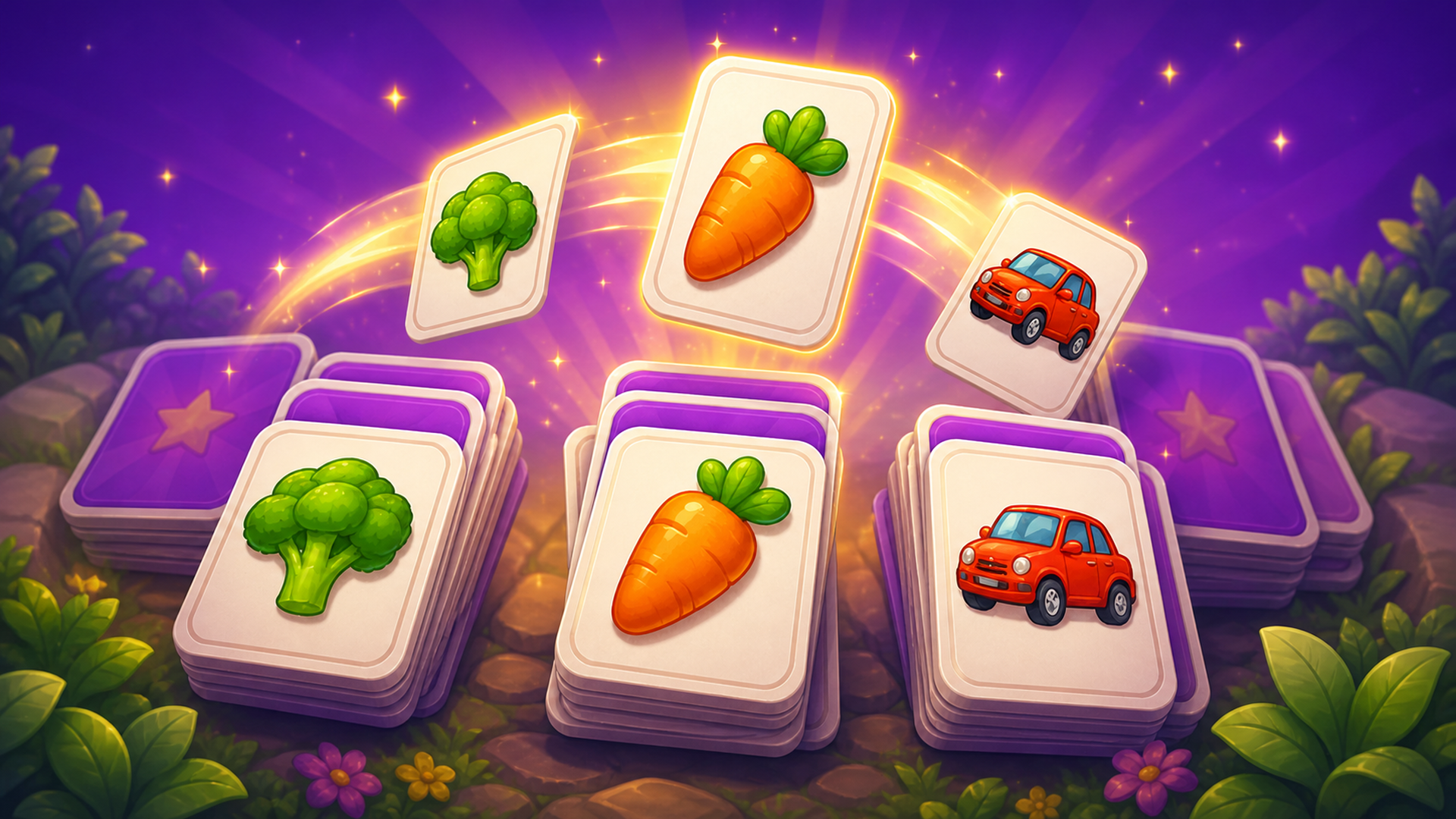
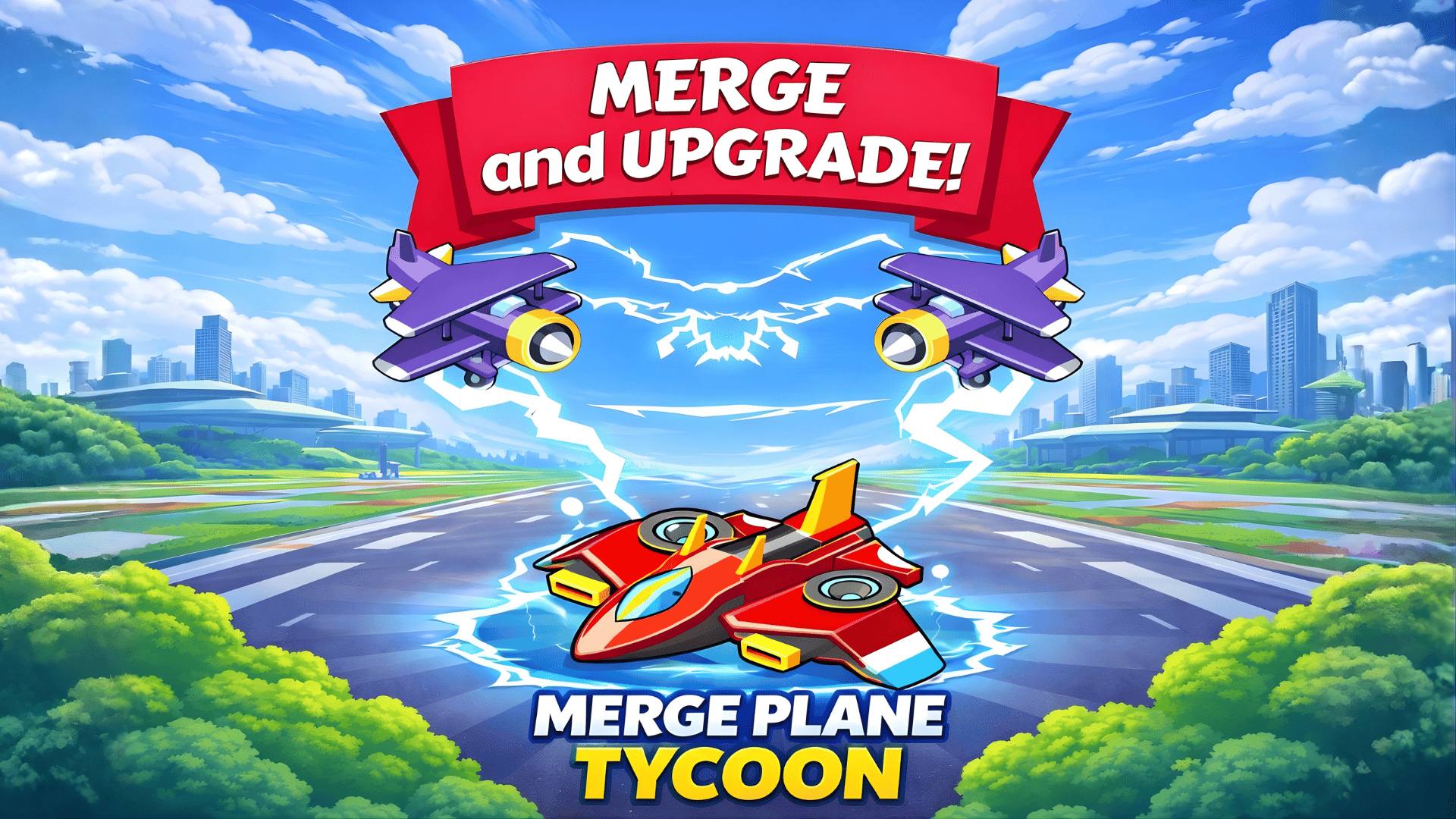
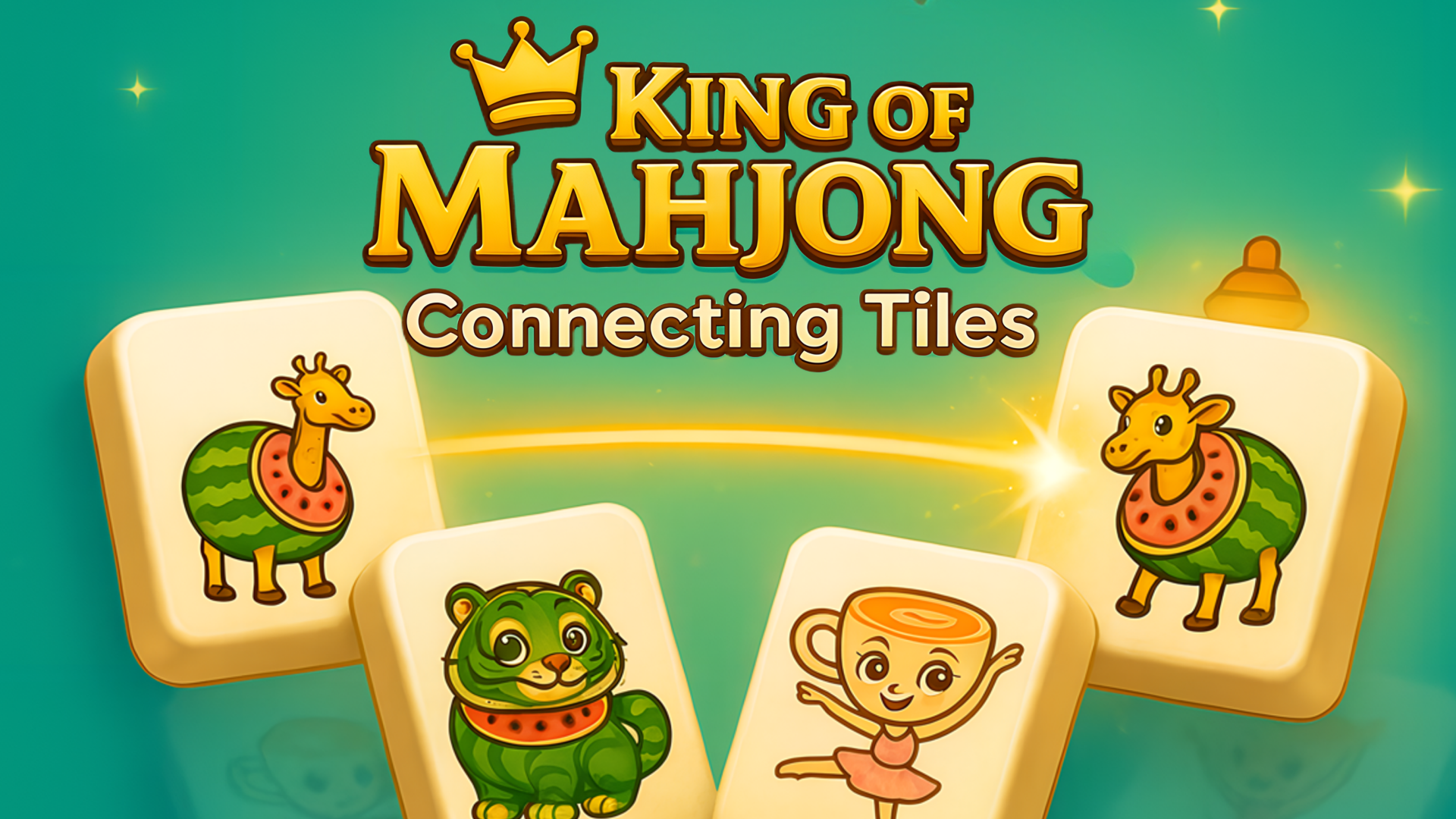
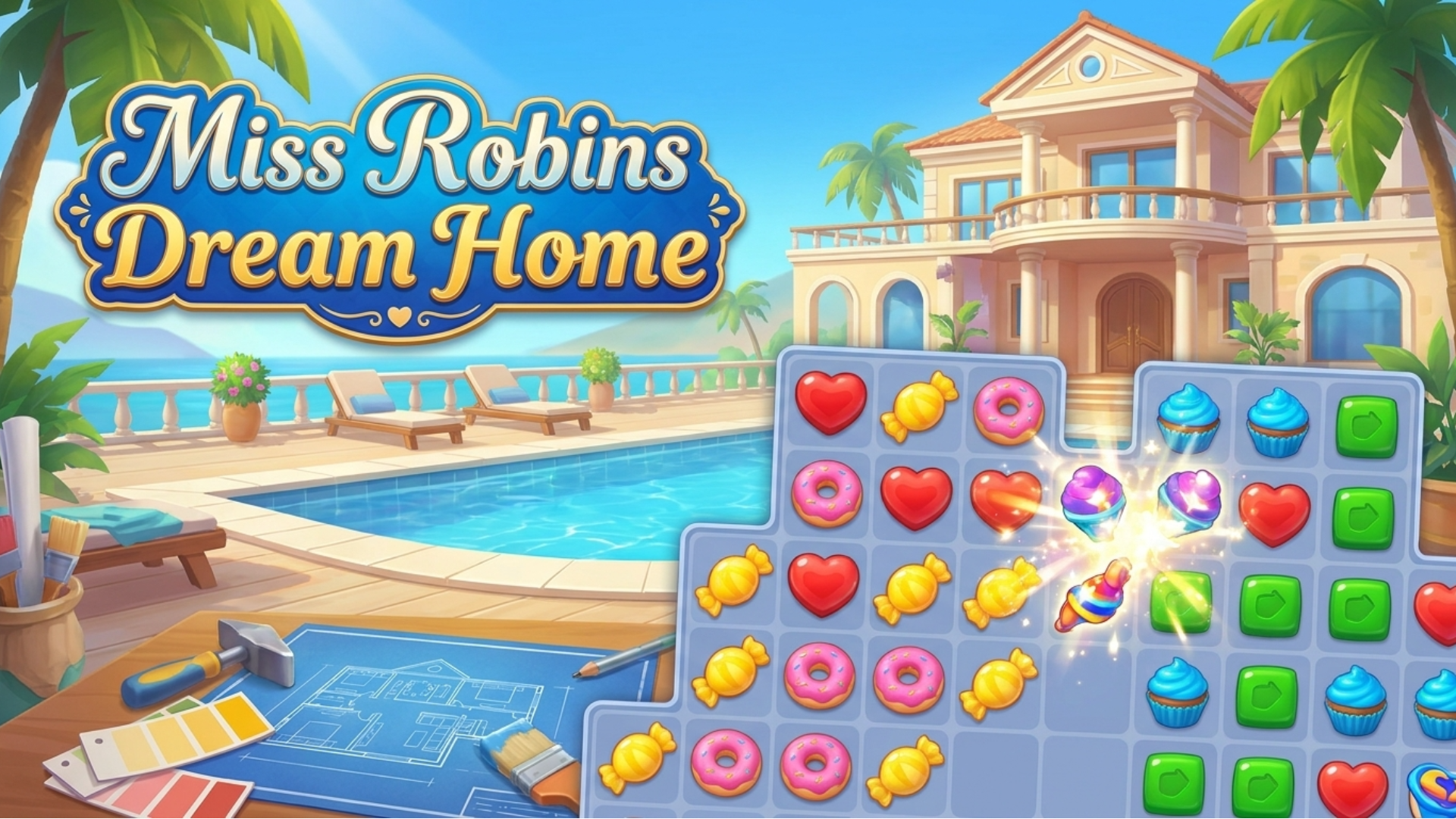




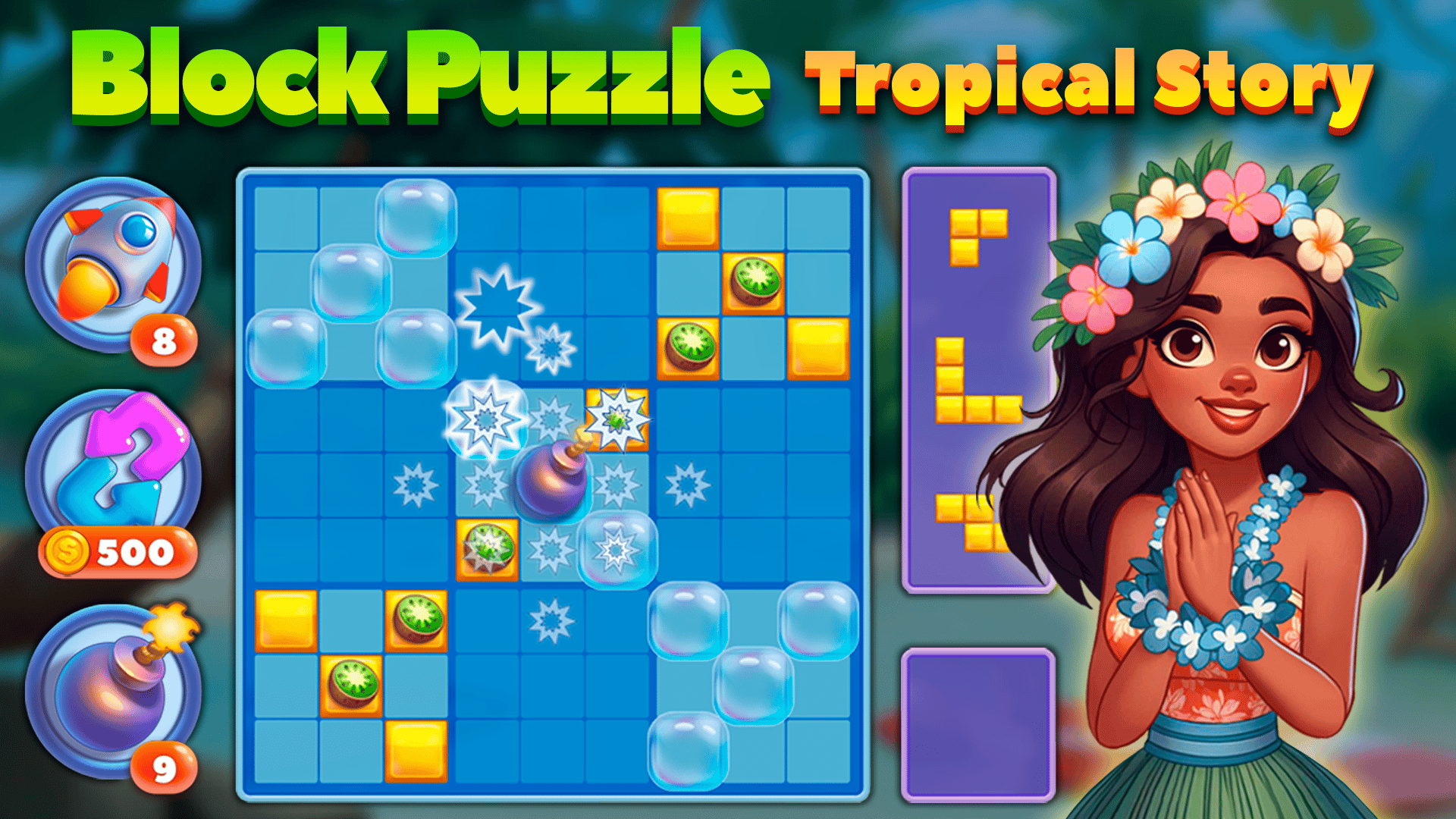
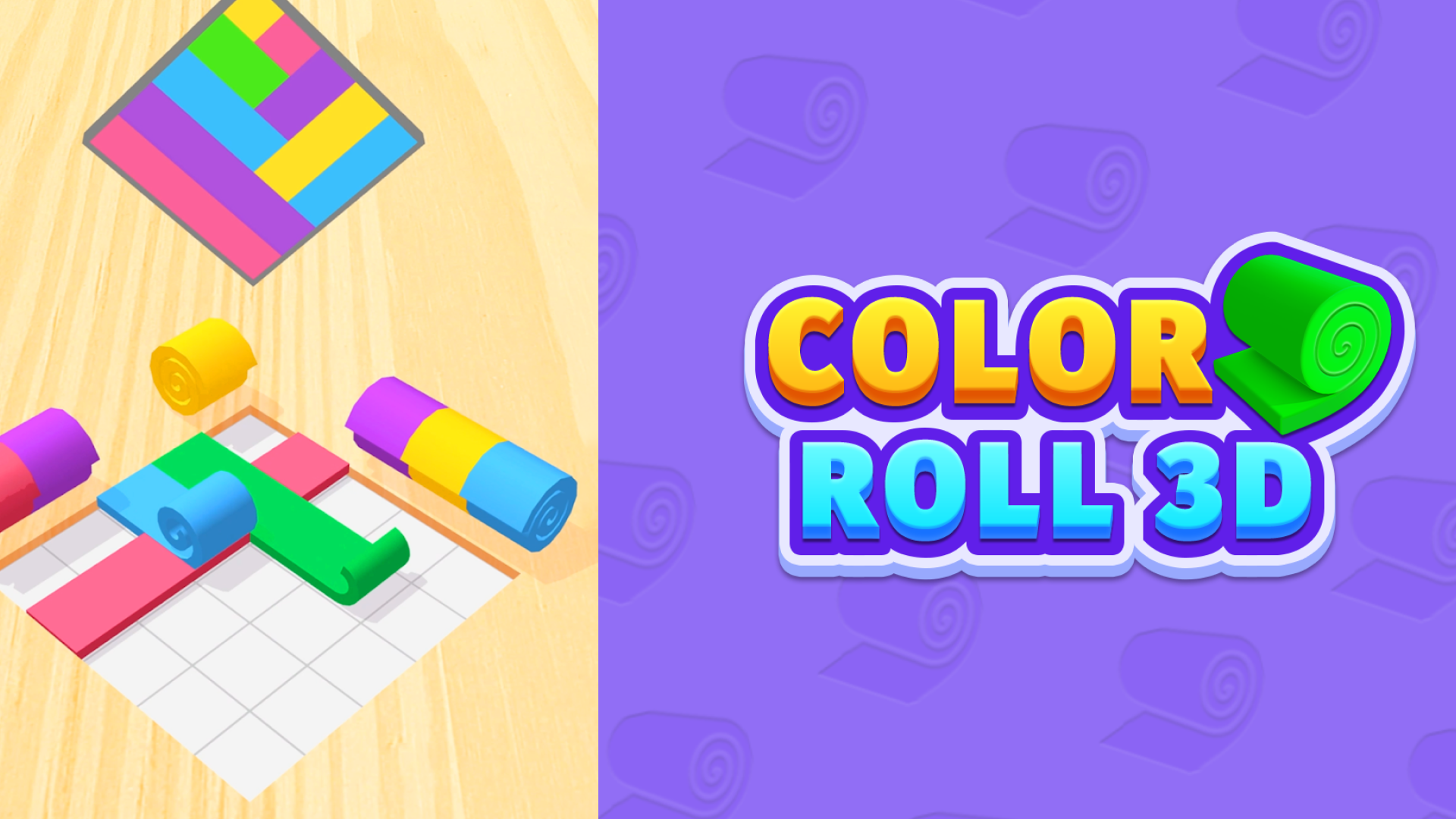

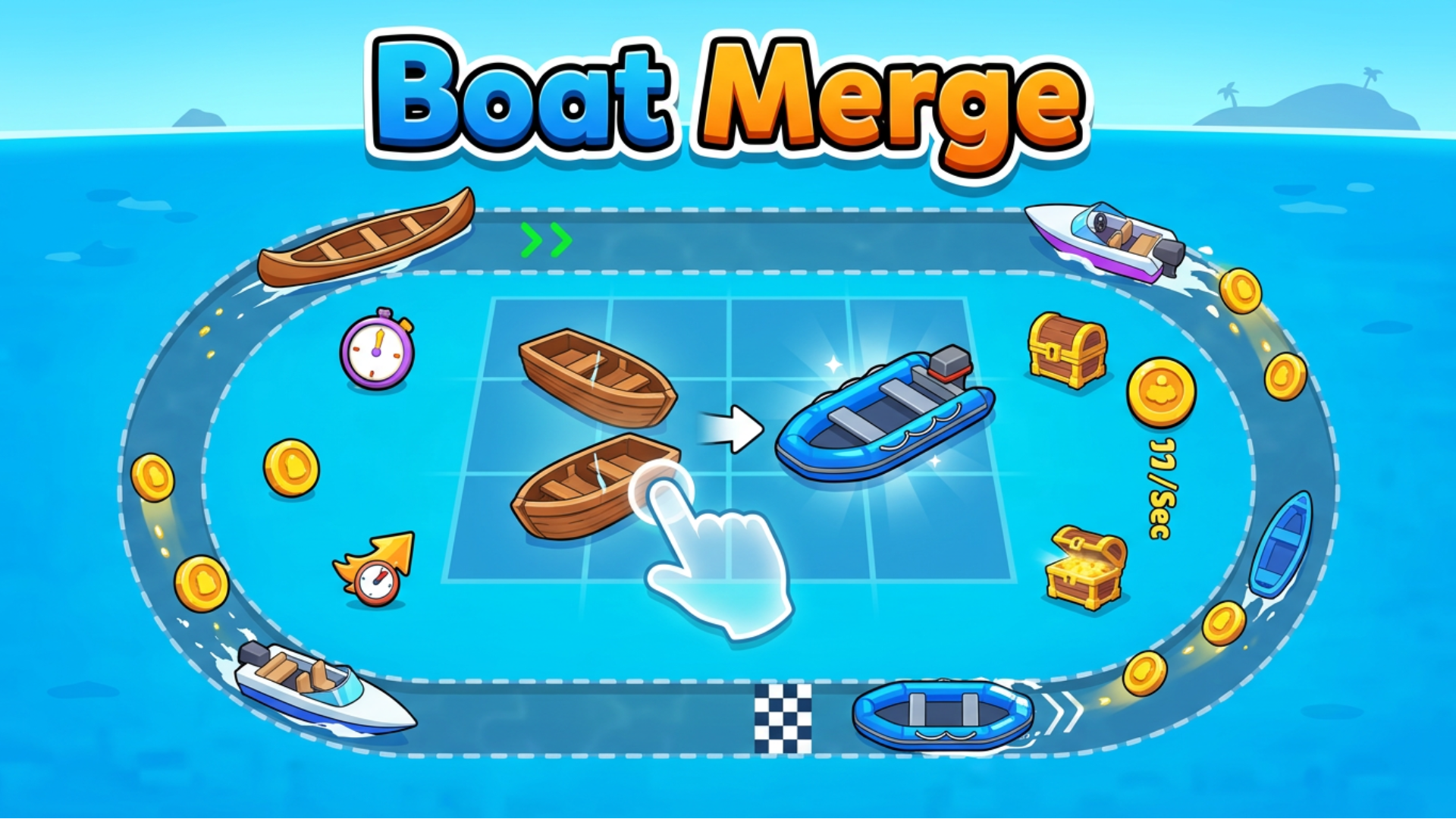
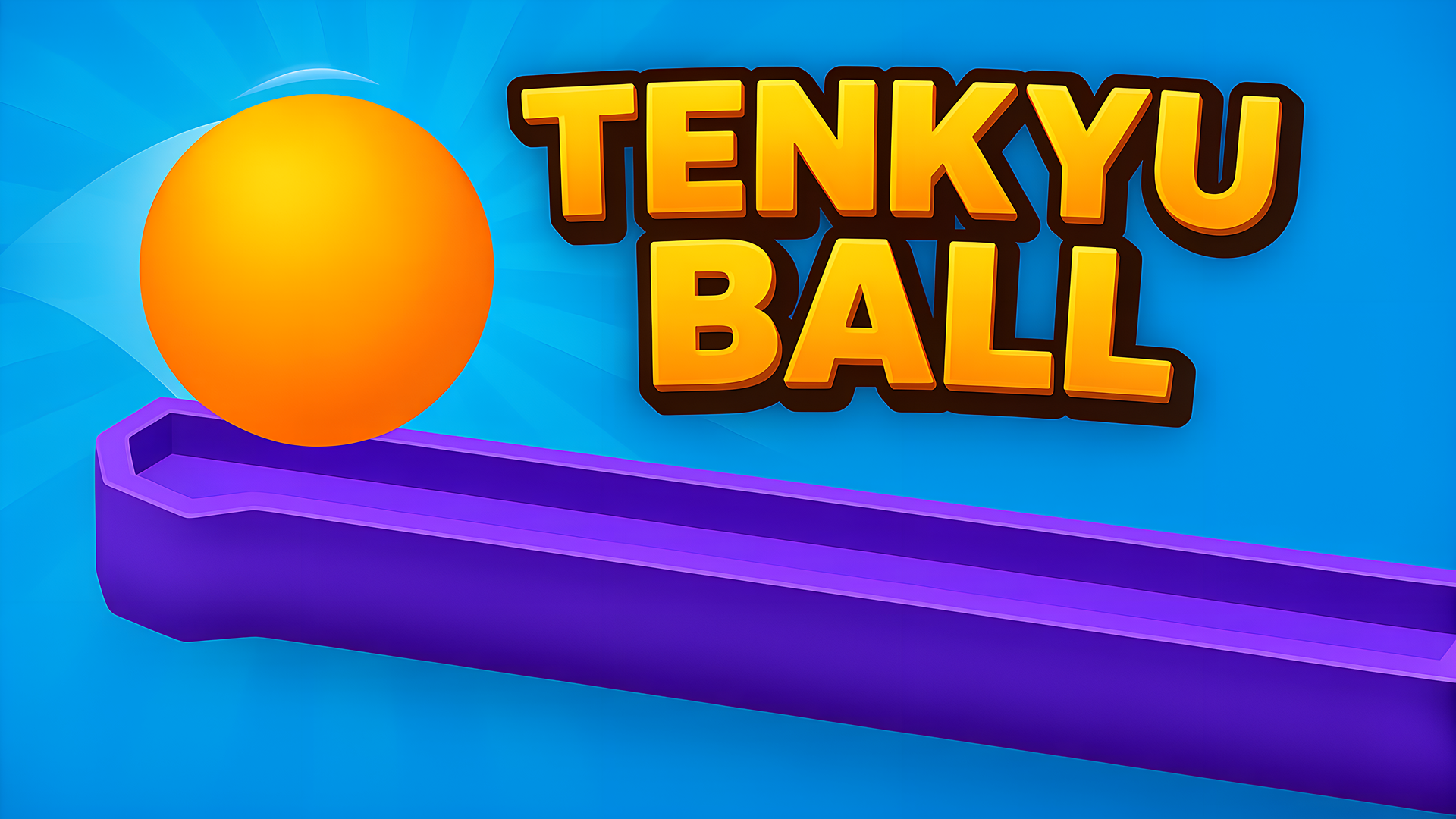
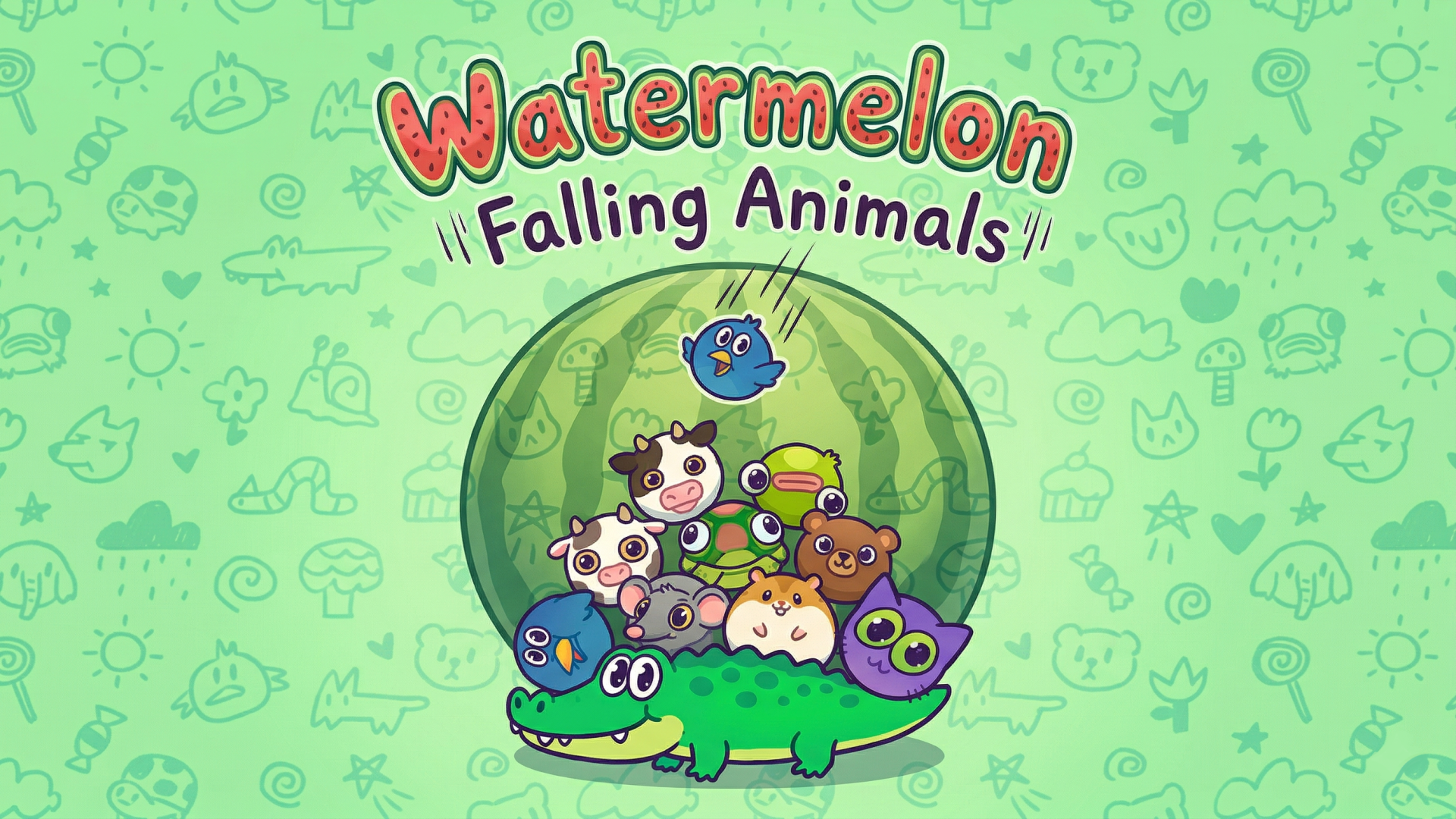

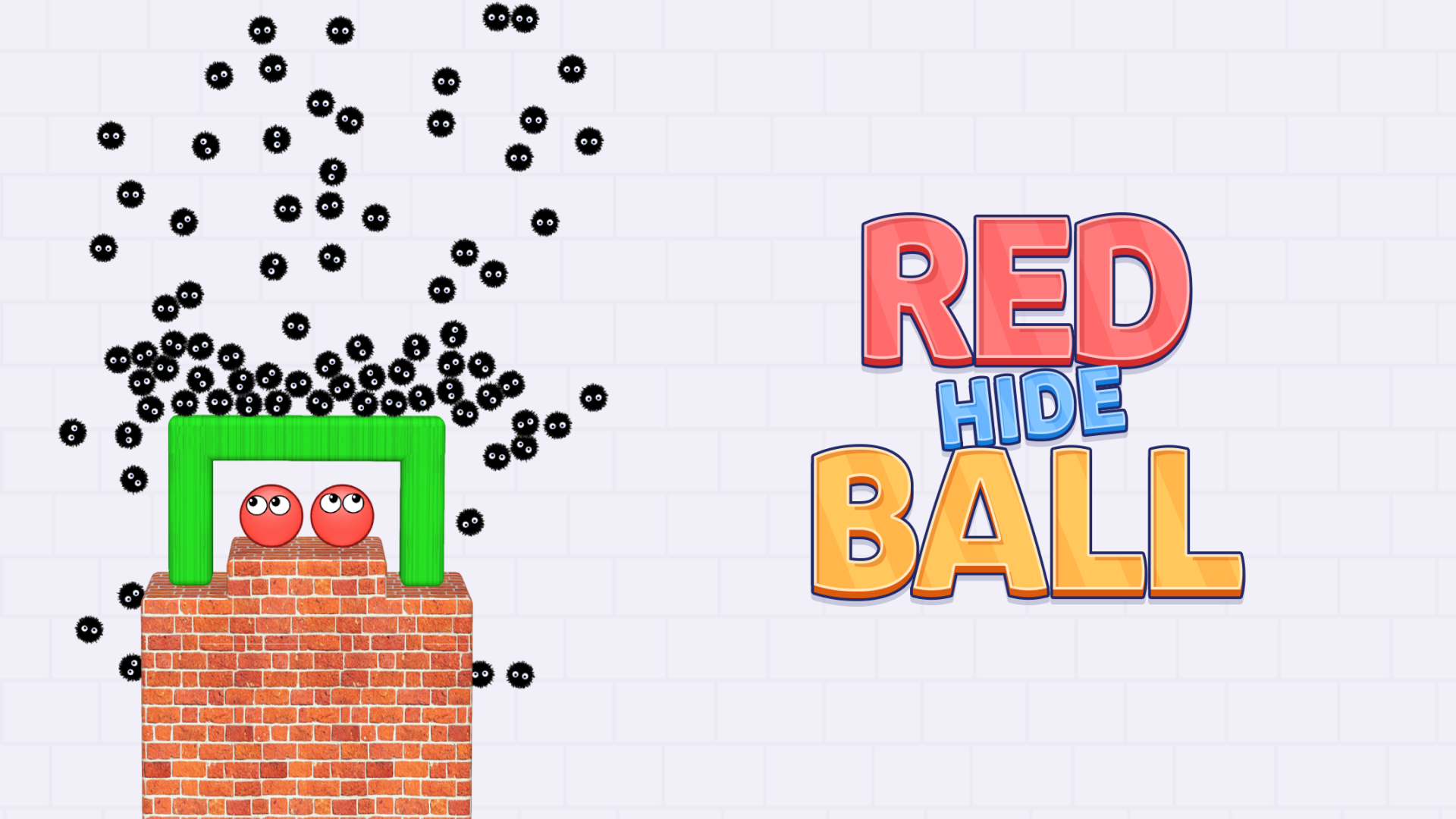
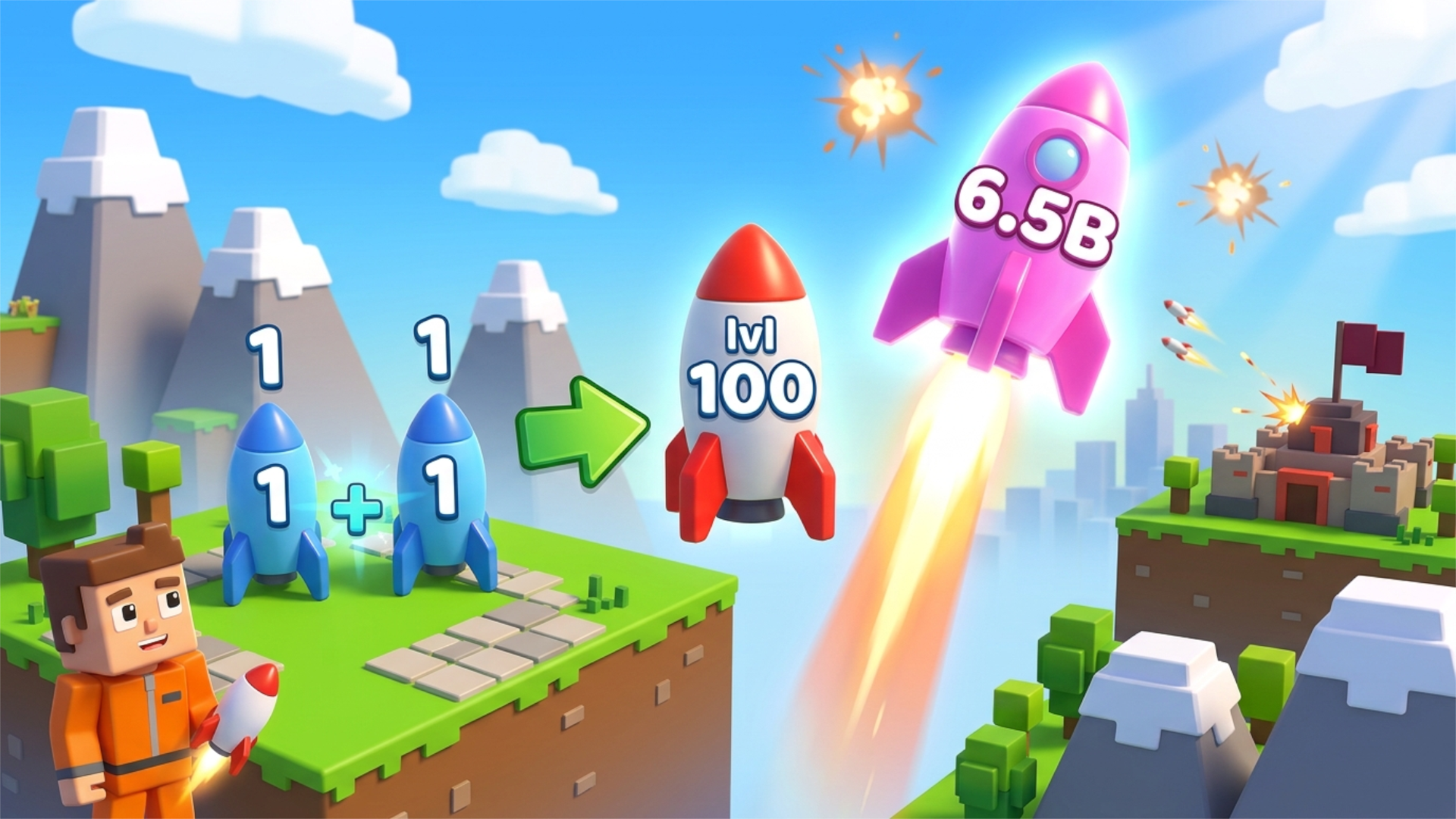
Because the category is so large, it helps to know its main families. Matching and sorting games are the biggest: tile triples, color sorts with nuts, yarn or crystals, and match-3 boards. Then come logic puzzles with fixed rules (sudoku, nonograms, arrow and pin puzzles), physics puzzles where you cut, draw or drop things, merge games, mahjong solitaire, hidden-object scenes, block puzzles and jigsaws.
A few starting points:
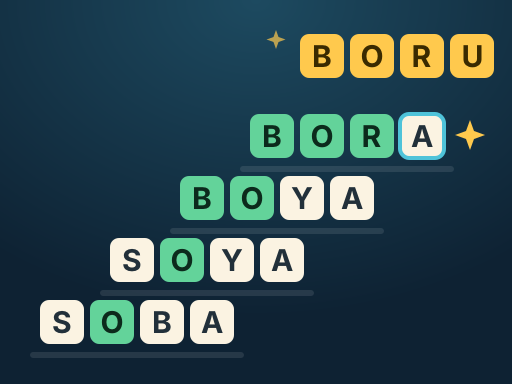
- Stepword: one shared word ladder per day. Change one letter at a time to reach the target word; it is short and the same for everyone, so results are easy to compare.
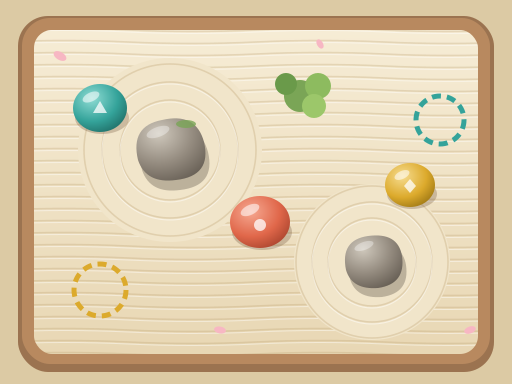
- Pebble Garden: tilt the garden and every pebble slides until something stops it. The early levels introduce the rules one at a time.
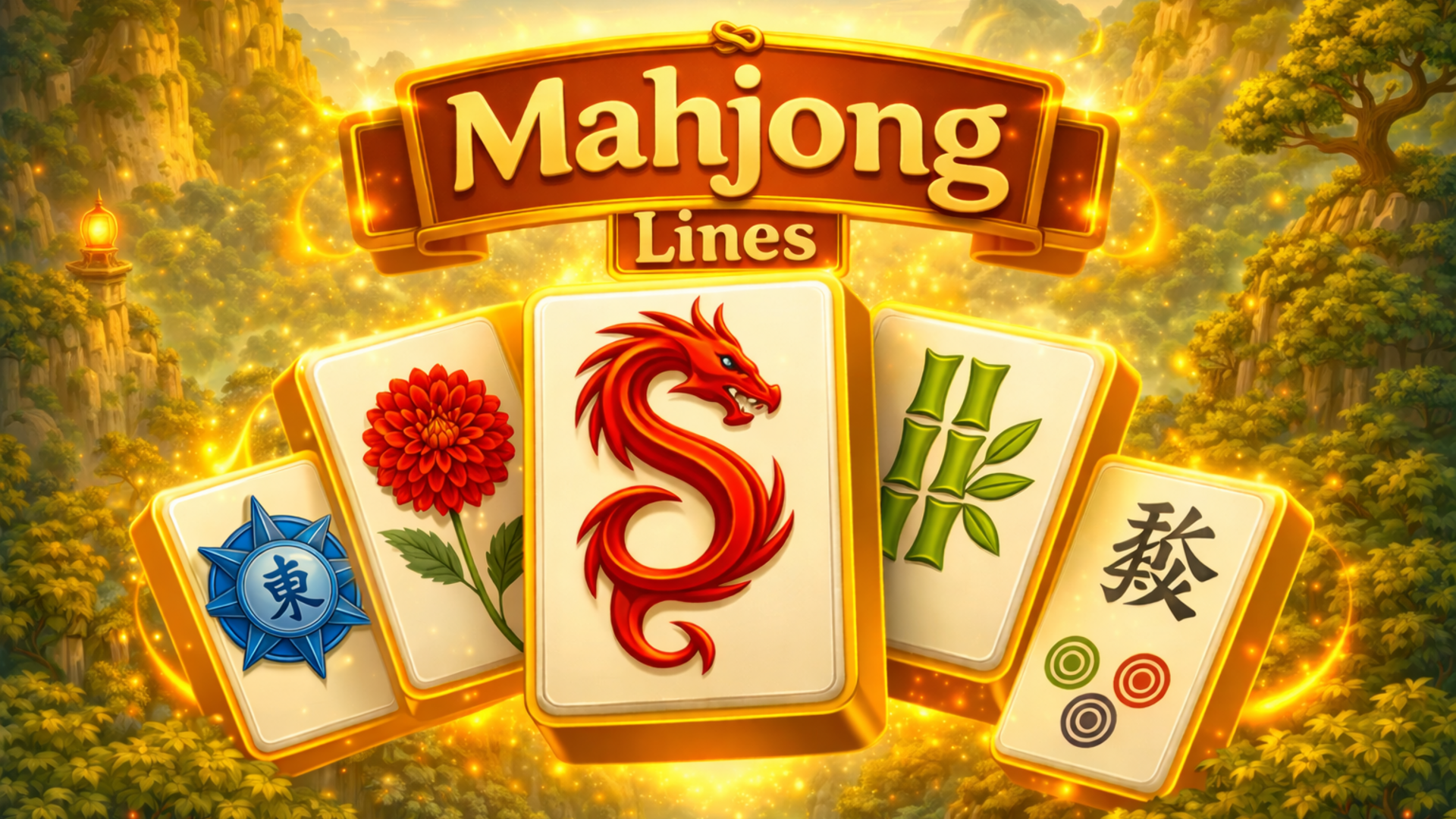
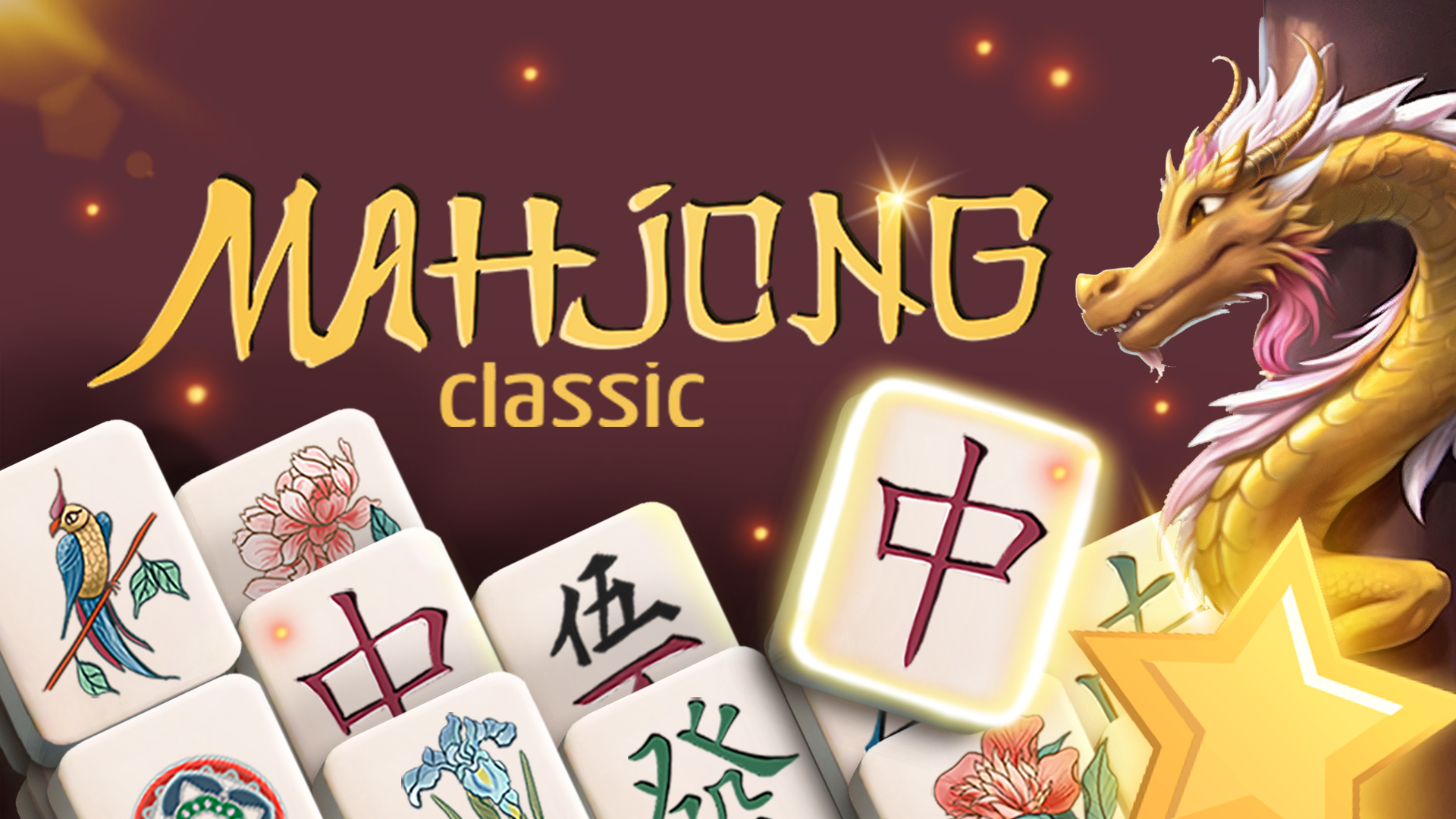
- Mahjong Classic: traditional mahjong solitaire with layouts like Turtle, Fort and Dragon, generated so that every deal can be solved.
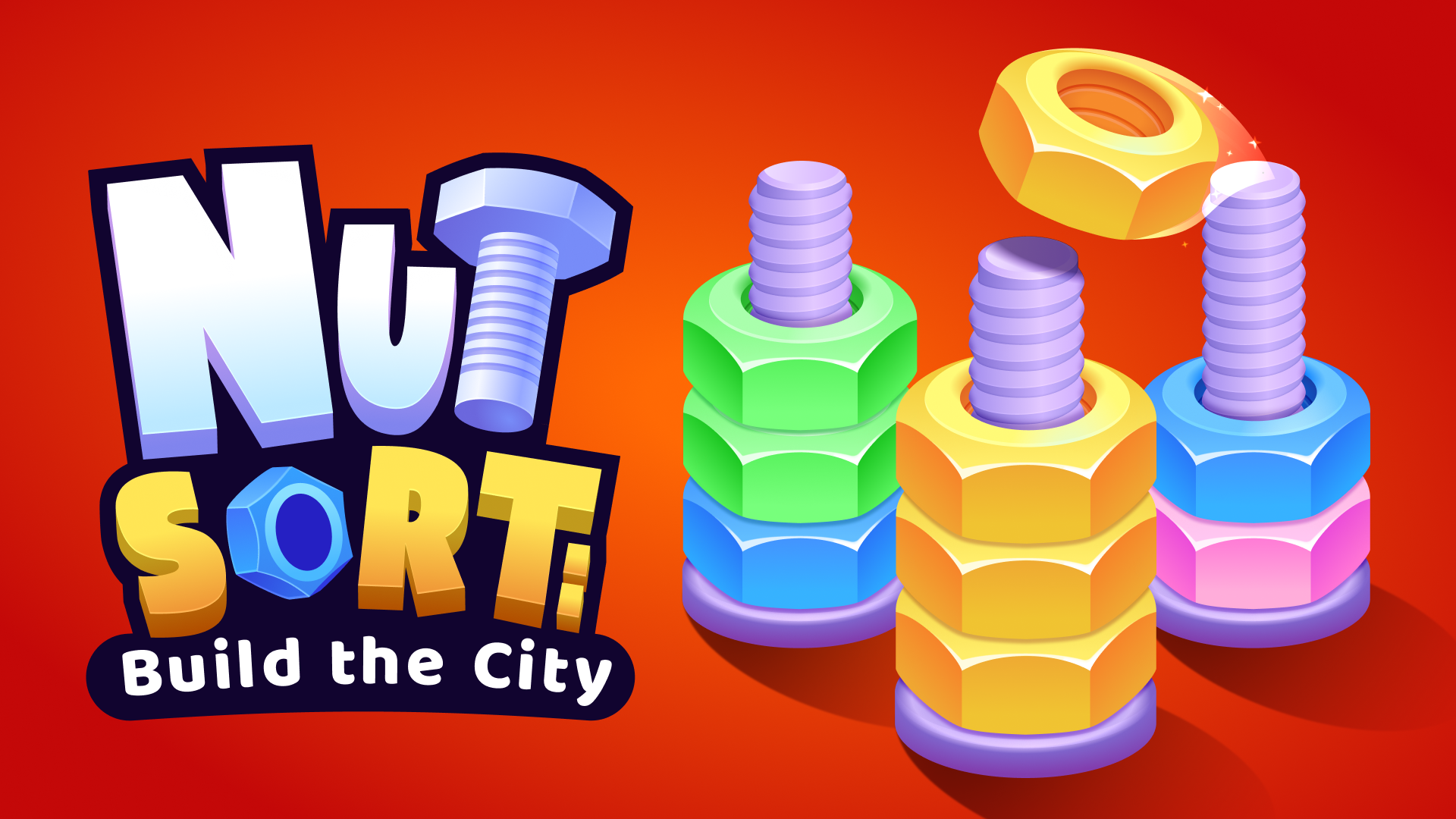
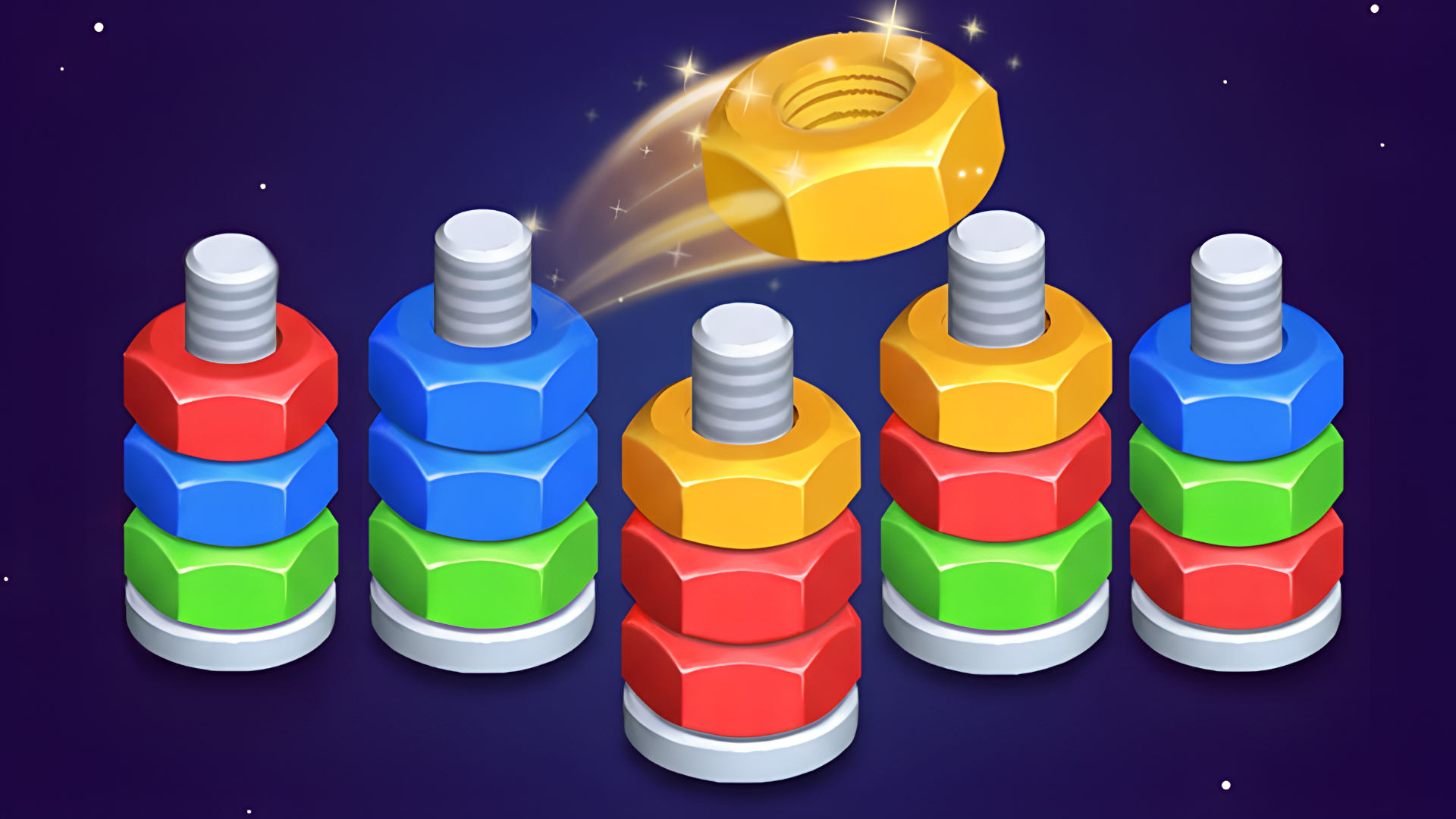
- Nuts Puzzle: Sort By Color: move colored nuts between bolts until each bolt holds a single color; later levels need planning several moves ahead.
Puzzles are the category that works best on a phone. Portrait games such as Stepword, Pebble Garden and Nuts Puzzle fit one hand, while landscape ones like Mahjong Classic show bigger tiles on a computer or tablet.